

AI Wealth Boom Fuels Luxury Spending Surge as Elite Brands Target America’s New Tech Millionaires
By
John Carter
Last updated:
June 8, 2026
First Published:
June 8, 2026

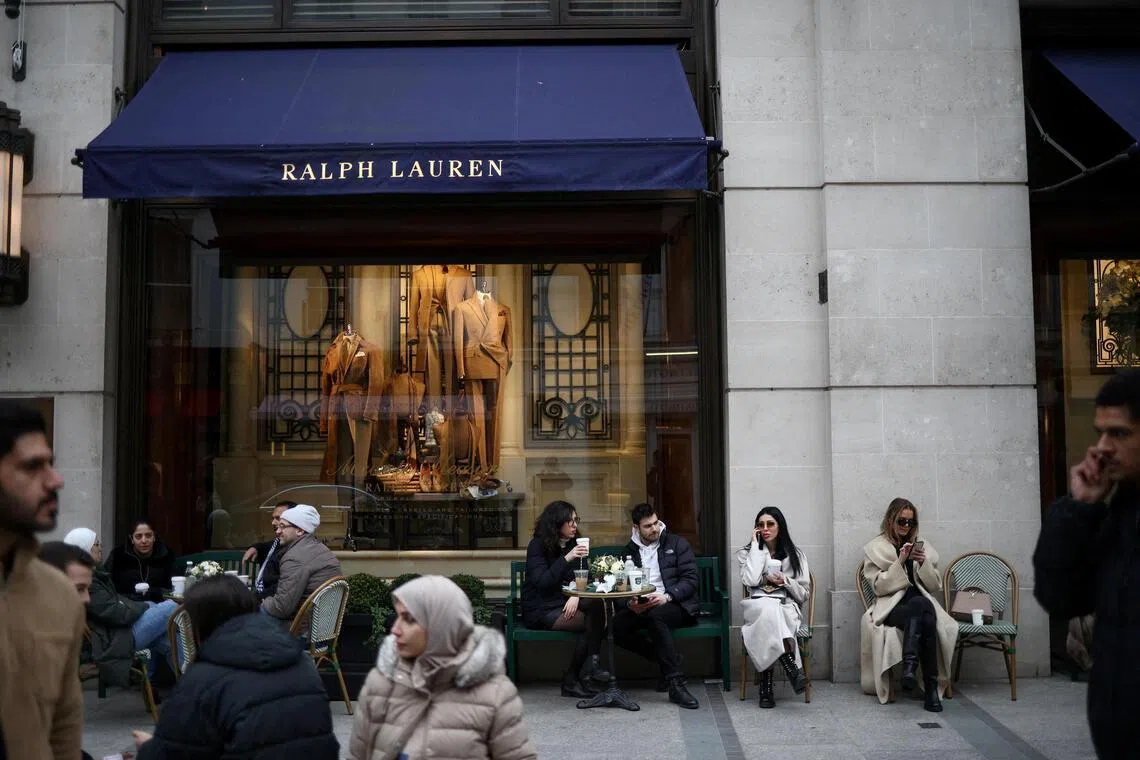
Photo: The Business Times
The Rise of a New Wealth Class
The global economy is witnessing the emergence of a powerful new class of affluent consumers. Unlike previous generations of wealthy individuals who built fortunes through traditional industries such as manufacturing, finance, energy, or real estate, today's rapidly growing millionaire population is increasingly being created by artificial intelligence. Founders, engineers, investors, and early employees of successful AI companies are accumulating wealth at a pace rarely seen before.
As artificial intelligence continues to transform industries and attract massive investment, the financial rewards flowing into the sector are creating a wave of newly wealthy individuals. This shift is having a significant impact on luxury spending patterns, premium lifestyle choices, and consumer expectations across multiple markets.
Technology Wealth Creates New Luxury Demand
Luxury brands have always followed wealth, and the current AI driven economic expansion is creating fresh opportunities for companies operating in the premium sector. Newly wealthy technology professionals often possess different tastes and purchasing habits compared to traditional luxury consumers.
Many of these individuals are younger, digitally native, and highly focused on experiences rather than status alone. While previous generations may have prioritized established symbols of wealth, modern technology millionaires frequently seek products and services that combine exclusivity with innovation, convenience, and personalization.
As a result, luxury companies are adapting their strategies to attract this influential audience while maintaining the prestige that defines their brands.
Luxury Experiences Become More Valuable Than Possessions
One of the most notable trends emerging from the AI wealth boom is the increasing demand for exclusive experiences. High net worth individuals created through the technology sector often place greater value on unique opportunities rather than simply acquiring material possessions.
Private travel experiences, invitation only events, personalized wellness retreats, and exclusive networking gatherings are becoming highly desirable. Luxury spending is no longer limited to physical products. Instead, affluent consumers are investing heavily in experiences that offer access, privacy, and personal enrichment.
This evolution is encouraging luxury companies to expand beyond traditional offerings and create complete lifestyle ecosystems for their customers.
Personalized Services Take Center Stage
Artificial intelligence itself is influencing consumer expectations within the luxury market. Individuals who work closely with advanced technologies often expect a similar level of personalization in every aspect of their lives.
Luxury brands are responding by developing highly customized services that cater to individual preferences. From bespoke fashion collections to personalized travel itineraries and private financial advisory services, customization is becoming a major competitive advantage.
Consumers with significant financial resources increasingly expect products and services designed specifically around their lifestyles, interests, and long term goals.
Real Estate Benefits from AI Generated Wealth
The luxury real estate sector is among the largest beneficiaries of the growing technology wealth wave. Newly successful entrepreneurs and investors are directing substantial amounts of capital into premium residential properties located in major cities and desirable lifestyle destinations.
Demand for luxury residences featuring advanced technology integration, sustainability features, wellness amenities, and enhanced privacy continues to increase. Smart homes equipped with cutting edge automation systems are particularly attractive to affluent buyers who appreciate technological sophistication.
As AI related fortunes continue to grow, many real estate experts expect premium property markets to remain highly competitive.
Luxury Travel Enters a New Era
Travel preferences among technology millionaires are also shaping the future of luxury tourism. Rather than pursuing conventional vacation experiences, many affluent travelers seek personalized adventures that combine comfort, exclusivity, and cultural immersion.
Private aviation, luxury expedition travel, customized global itineraries, and members only travel clubs are experiencing strong demand. Wealthy consumers increasingly prioritize flexibility and privacy while expecting seamless digital integration throughout their journeys.
This transformation is encouraging travel providers to innovate and create more specialized offerings tailored to elite clientele.
Premium Wellness Gains Momentum
Another area benefiting from the AI wealth boom is the wellness industry. High earning professionals often face intense work demands and long hours, leading many to invest heavily in physical and mental wellbeing.
Luxury wellness centers, personalized healthcare programs, advanced diagnostics, performance coaching, and longevity focused treatments are becoming increasingly popular among affluent consumers. Rather than viewing wellness as an occasional luxury, many wealthy individuals now consider it a fundamental component of long term success.
This shift is creating substantial opportunities for businesses operating at the intersection of healthcare, wellness, and luxury services.
The Digital Influence on Luxury Consumption
The new generation of wealthy consumers interacts with brands differently than previous generations. Digital engagement plays a central role in purchasing decisions, even for high value products and services.
Technology millionaires often conduct extensive research, participate in online communities, and rely on digital platforms to discover emerging luxury brands. Authenticity, innovation, and transparency frequently carry as much importance as heritage and tradition.
As a result, luxury companies are investing heavily in digital experiences that complement their physical offerings while strengthening relationships with affluent consumers.
Competition Among Luxury Brands Intensifies
As the number of high net worth individuals generated by the AI sector grows, competition among luxury brands is becoming increasingly intense. Companies are working to position themselves as the preferred choice for a demographic that values both prestige and innovation.
Many luxury firms are exploring partnerships with technology companies, introducing advanced personalization tools, and expanding exclusive membership programs. The goal is not simply to sell products but to create enduring relationships that span multiple aspects of a consumer's lifestyle.
This competitive environment is expected to accelerate innovation throughout the luxury industry over the coming years.
The Long Term Impact on Wealth and Lifestyle Markets
The influence of artificial intelligence extends far beyond technology itself. By creating substantial wealth for entrepreneurs, investors, and skilled professionals, the sector is reshaping consumer markets on a global scale.
Luxury spending patterns are evolving as younger and more technologically sophisticated consumers enter the ranks of the affluent. Their preferences are influencing everything from fashion and travel to wellness, real estate, and personal services.
Businesses that successfully understand and adapt to these changing expectations will be well positioned to benefit from one of the most significant wealth creation cycles of the modern era.
Looking Ahead
The AI wealth boom represents more than a temporary economic trend. It signals a broader transformation in how wealth is generated, managed, and expressed through lifestyle choices. As artificial intelligence continues to expand across industries, the number of affluent consumers emerging from the technology ecosystem is likely to increase substantially.
For luxury brands, service providers, and wealth focused businesses, this presents an extraordinary opportunity. The future belongs to organizations capable of blending exclusivity, innovation, personalization, and meaningful experiences. In a world increasingly shaped by technology, the definition of luxury itself is evolving, and the rise of AI millionaires is leading that transformation.

Subscribe to unlock premium content
Sed at tellus, pharetra lacus, aenean risus non nisl ultricies commodo diam aliquet arcu enim eu leo porttitor habitasse adipiscing porttitor varius ultricies facilisis viverra lacus neque.
A comprehensive guide on Agile development

10 Productivity tools that are worth checking out

Top 7 Must have management tools for productivity

A comprehensive guide on Agile development
10 Productivity tools that are worth checking out
A comprehensive guide on Agile development