

Asian Family Offices Pivot Aggressively Into Rare Collectibles as Equity Volatility Spikes
By
John Carter
Last updated:
May 28, 2026
First Published:
May 28, 2026


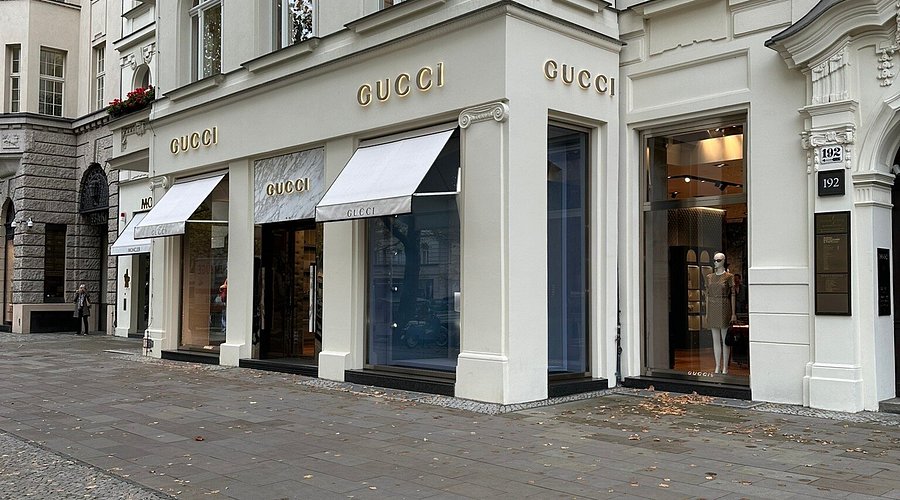
Photo: ION Group
Capital Reallocation Triggered by Market Volatility
Family offices across Asia are increasingly shifting allocations away from traditional equities as volatility in global stock markets intensifies. This shift is not a short term reaction but part of a broader reassessment of portfolio stability. Wealth managers are prioritizing assets that demonstrate low correlation with public market cycles and macroeconomic shocks.
Rise of Rare Collectibles as a Core Asset Class
Rare collectibles are becoming a more formalized asset class within private wealth portfolios. Categories such as rare watches fine art vintage automobiles historical artifacts and limited production luxury goods are seeing increased institutional style interest. These assets are valued not only for aesthetic or cultural significance but also for their scarcity driven appreciation potential.
Why Asian Family Offices Are Leading the Shift
Family offices in regions such as Hong Kong Singapore and mainland China are particularly active in this transition due to their long term capital horizons and generational wealth planning structures. Many of these entities have a higher tolerance for illiquid assets compared to traditional institutional investors allowing them to pursue niche collectible markets more aggressively.
Decline in Confidence Toward Equity Concentration
Recent equity market fluctuations have exposed concentration risks in technology heavy portfolios and export dependent sectors. As a result, wealth managers are reducing exposure to highly correlated assets and increasing allocation to physical and alternative holdings that behave independently from stock market movements.
Growth of Specialized Acquisition Networks
A network of specialized advisors dealers and auction intermediaries has emerged to facilitate access to high value collectibles. These intermediaries often operate discreetly and rely on private sourcing channels rather than public listings. Their role has become essential in sourcing authenticated rare items for ultra high net worth clients.
Art and Cultural Assets Gaining Strategic Importance
Fine art and cultural artifacts are increasingly viewed as strategic stores of wealth rather than purely decorative holdings. Major acquisitions are often made with long term capital preservation in mind, and in some cases serve as cross generational wealth transfer tools within family structures.
Competition Driving Up Entry Prices
As more family offices enter the collectibles space competition for top tier assets has intensified. Rare pieces with provenance or historical significance are commanding higher premiums due to limited supply and growing demand. This has created a tiered market where elite items are increasingly inaccessible even to affluent buyers.
Liquidity Challenges and Long Holding Cycles
Despite strong demand, rare collectibles remain inherently illiquid. Transactions can take extended periods to complete due to authentication requirements negotiation complexity and limited buyer pools. However many family offices accept this constraint in exchange for perceived long term stability and appreciation potential.
Integration With Broader Wealth Strategy
Collectibles are no longer isolated passion investments but are being integrated into broader multi asset wealth strategies. They often complement real estate private equity and credit allocations by adding diversification benefits and non correlated value drivers to portfolios.
Long Term Outlook for Alternative Luxury Assets
If current trends continue rare collectibles are likely to remain a key allocation category for Asian family offices. Structural volatility in public markets combined with generational wealth expansion suggests sustained demand for tangible scarce assets that offer both prestige and long term value preservation



Subscribe to unlock premium content
Sed at tellus, pharetra lacus, aenean risus non nisl ultricies commodo diam aliquet arcu enim eu leo porttitor habitasse adipiscing porttitor varius ultricies facilisis viverra lacus neque.
A comprehensive guide on Agile development

10 Productivity tools that are worth checking out

Top 7 Must have management tools for productivity

A comprehensive guide on Agile development
10 Productivity tools that are worth checking out
A comprehensive guide on Agile development