
Billionaire Investment Groups Accelerate Shift Toward Sustainable Luxury Brands
By
John Carter
Last updated:
May 10, 2026
First Published:
May 10, 2026


Photo: Denik
Transformation of Luxury Investment Priorities
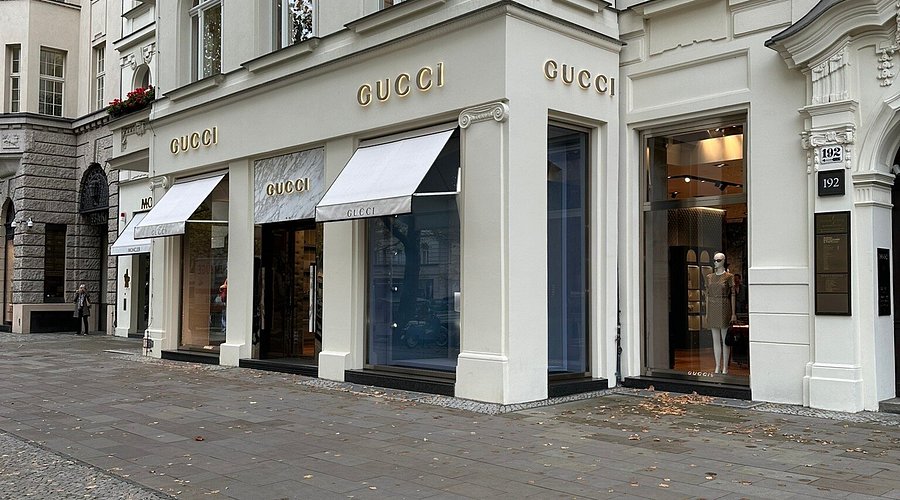
Billionaire investment groups are increasingly redirecting capital toward sustainable luxury brands as environmental responsibility becomes a defining factor in modern wealth strategy. This shift reflects a broader rethinking of luxury itself, where exclusivity is now being measured not only by rarity and craftsmanship but also by ecological impact and ethical production standards. The change is structural rather than symbolic.
Rise of ESG Driven Wealth Allocation
Environmental, social, and governance principles are now central to decision making among ultra high net worth investors. Family offices and private equity groups are integrating sustainability metrics into their portfolio selection process. Luxury brands that demonstrate measurable environmental commitments are gaining stronger investor confidence compared to traditional luxury houses without sustainability frameworks.
Luxury Conglomerates Adapting to New Capital Trends
Major luxury conglomerates such as LVMH Moët Hennessy Louis Vuitton are expanding their sustainability initiatives to align with investor expectations. These groups are investing in renewable materials, circular production systems, and carbon reduction programs. The goal is to ensure long term brand relevance in a market where sustainability is becoming a core value driver.
Emergence of Eco Conscious Luxury Brands
A new category of luxury brands is gaining traction by positioning sustainability at the center of their identity. These brands emphasize ethical sourcing, transparent supply chains, and environmentally responsible manufacturing. Their growth is being accelerated by investment groups that view sustainability as a competitive advantage rather than a cost burden.
Private Equity Influence on Sustainable Fashion
Private equity firms are playing a significant role in reshaping the luxury fashion landscape. By acquiring or funding sustainable brands, they are accelerating scaling opportunities for companies that prioritize environmental responsibility. This influx of capital is helping smaller eco focused brands compete with established luxury houses.
Consumer Behavior Driving Investor Confidence
Wealthy consumers are increasingly demanding transparency and sustainability from luxury brands. This shift in consumer behavior is reinforcing investor confidence in sustainable luxury as a long term growth segment. High net worth individuals are more likely to support brands that align with their environmental values, influencing market demand patterns.
Circular Economy Integration in Luxury Goods
The concept of circular economy is becoming more prominent in luxury production cycles. Brands are designing products with recycling, refurbishment, and material recovery in mind. This approach not only reduces environmental impact but also enhances brand value by extending product lifecycle and exclusivity through limited reuse models.
Sustainable Materials Reshaping Product Design
Innovation in materials is playing a key role in the evolution of luxury goods. Investment is flowing into alternatives such as plant based textiles, lab grown materials, and recycled precious metals. These innovations are allowing luxury brands to maintain aesthetic excellence while significantly reducing environmental footprint.
Impact on Traditional Luxury Valuation Models
The integration of sustainability is beginning to influence how luxury brands are valued in financial markets. Investors are increasingly factoring environmental performance into long term valuation models. Brands that fail to adapt risk losing relevance among institutional investors and ultra wealthy capital allocators.
Global Expansion of Sustainable Luxury Demand
Demand for sustainable luxury is not limited to a single region but is expanding across Europe, North America, and parts of Asia. Emerging wealthy populations are showing strong preference for brands that combine prestige with environmental responsibility. This global demand is encouraging luxury houses to standardize sustainability practices across markets.
Technology as a Sustainability Enabler
Technological advancements are enabling luxury brands to track supply chains, reduce waste, and improve production efficiency. Blockchain based traceability systems and advanced manufacturing technologies are being adopted to ensure transparency and accountability. These tools are becoming essential for maintaining investor trust.
Future Outlook of Sustainable Luxury Investment
The sustainable luxury sector is expected to grow significantly as billionaire investment groups continue to prioritize environmental alignment in their portfolios. Over time, sustainability is likely to become a baseline requirement rather than a differentiating factor. Luxury brands that successfully integrate ethical practices with exclusivity will define the next era of global wealth driven consumption.
Subscribe to unlock premium content
Sed at tellus, pharetra lacus, aenean risus non nisl ultricies commodo diam aliquet arcu enim eu leo porttitor habitasse adipiscing porttitor varius ultricies facilisis viverra lacus neque.
A comprehensive guide on Agile development

10 Productivity tools that are worth checking out

Top 7 Must have management tools for productivity

A comprehensive guide on Agile development
10 Productivity tools that are worth checking out
A comprehensive guide on Agile development