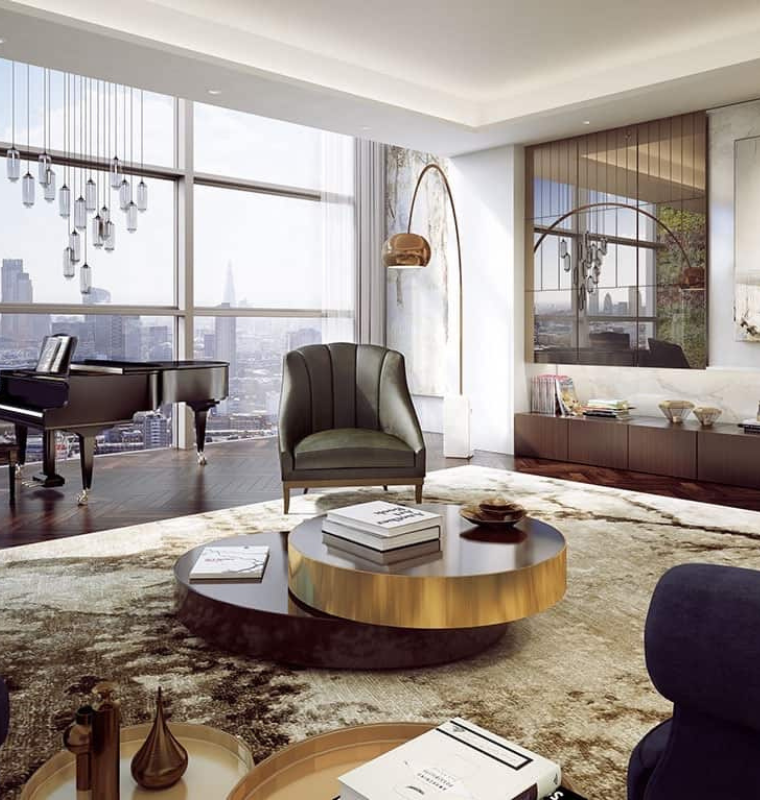

Dior Expands Its Cultural Footprint in Beijing
By
John Carter
Last updated:
December 16, 2025
First Published:
December 16, 2025


Photo: Wallpaper Magazine
A strategic moment for luxury in China
The opening of Dior’s multi level flagship in Beijing signals a carefully timed commitment to the Chinese luxury consumer. Rather than pursuing rapid expansion Dior is reinforcing depth presence and cultural relevance. This move reflects confidence in the long range importance of China even as the market recalibrates after years of volatility.
From retail space to cultural destination
The new flagship is designed to function as more than a shopping location. It operates as a cultural destination where architecture design and narrative work together. Visitors are invited to engage with the brand’s heritage artistic influences and craftsmanship which elevates the store into an immersive environment rather than a transactional space.
Storytelling becomes the core luxury currency
Modern luxury consumers increasingly value meaning over volume. Dior’s Beijing presence emphasizes storytelling through curated rooms exhibitions and design references rooted in both Parisian heritage and local cultural cues. This approach strengthens emotional connection and positions the brand as culturally fluent rather than externally imposed.
A response to a more discerning consumer
Chinese luxury buyers have matured significantly. They are more informed selective and experience driven. Dior’s investment acknowledges this evolution by offering depth knowledge and personalization. The flagship caters to clients who expect engagement craftsmanship visibility and brand intimacy rather than simple product display.
Physical retail regains strategic importance
While digital channels remain essential high end luxury is rediscovering the power of physical presence. Flagship stores provide sensory richness that digital platforms cannot replicate. Dior’s Beijing store reinforces the role of in person engagement in building trust loyalty and long term brand equity.
Localization without dilution of identity
Dior balances localization carefully by respecting Chinese cultural context while preserving its core identity. The space integrates regional artistic elements without compromising the brand’s global aesthetic. This balance allows Dior to feel relevant locally while remaining unmistakably Dior.
Luxury investment signals market stabilization
Large scale physical investments often indicate confidence beyond short term performance. Dior’s expansion suggests expectations of sustained demand among affluent Chinese consumers. It reflects a belief that luxury spending is normalizing around quality experience and brand depth rather than excess.
Flagships as relationship building platforms
The Beijing location also functions as a relationship hub for high value clients. Private salons personalized services and curated events allow Dior to deepen connections with its most important customers. This relationship focused model aligns with how wealth driven consumers prefer to engage with luxury today.
Influence beyond fashion and retail
Such a flagship influences more than sales. It shapes cultural perception tourism and urban prestige. Luxury houses like Dior contribute to the cultural capital of cities reinforcing Beijing’s role as a global luxury and culture destination.
A blueprint for future luxury expansion
Dior’s approach illustrates how luxury brands may expand going forward. Fewer stores greater scale deeper storytelling and stronger cultural integration. This model prioritizes longevity relevance and brand authority over rapid footprint growth.
Redefining success in the luxury landscape
Success in today’s luxury industry is measured by resonance rather than reach. Dior’s Beijing flagship represents a shift toward meaningful engagement cultural respect and experiential richness. It underscores how luxury brands are redefining growth in an era shaped by sophisticated wealth and evolving consumer values.


Subscribe to unlock premium content
Sed at tellus, pharetra lacus, aenean risus non nisl ultricies commodo diam aliquet arcu enim eu leo porttitor habitasse adipiscing porttitor varius ultricies facilisis viverra lacus neque.
A comprehensive guide on Agile development

10 Productivity tools that are worth checking out
Top 7 Must have management tools for productivity

A comprehensive guide on Agile development
10 Productivity tools that are worth checking out
A comprehensive guide on Agile development