
Elite Property Buyers Fuel Demand for Branded Residences Across Global Luxury Destinations
By
John Carter
Last updated:
June 3, 2026
First Published:
June 3, 2026

Expansion of Branded Real Estate Concept
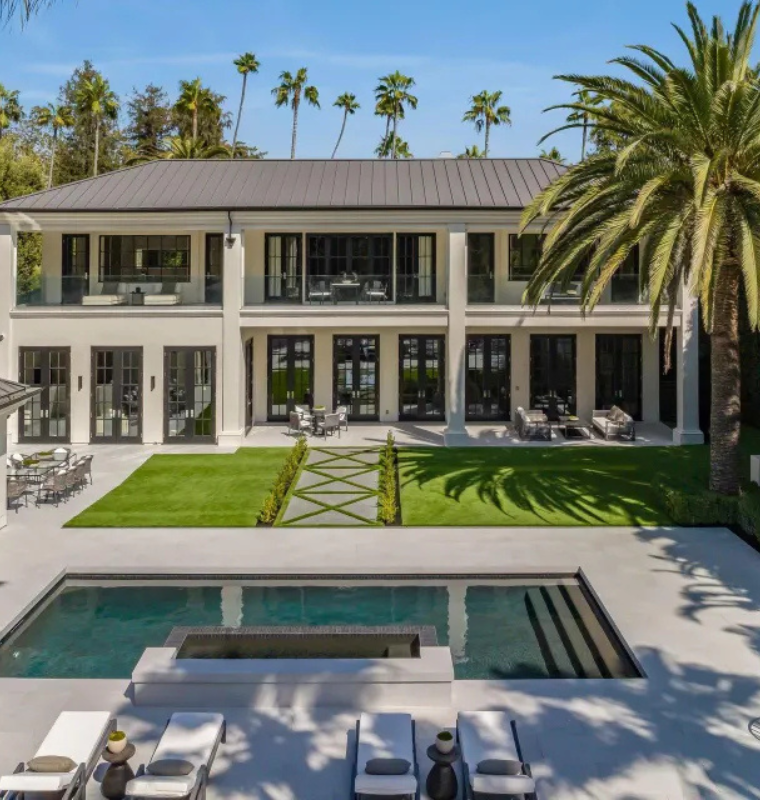
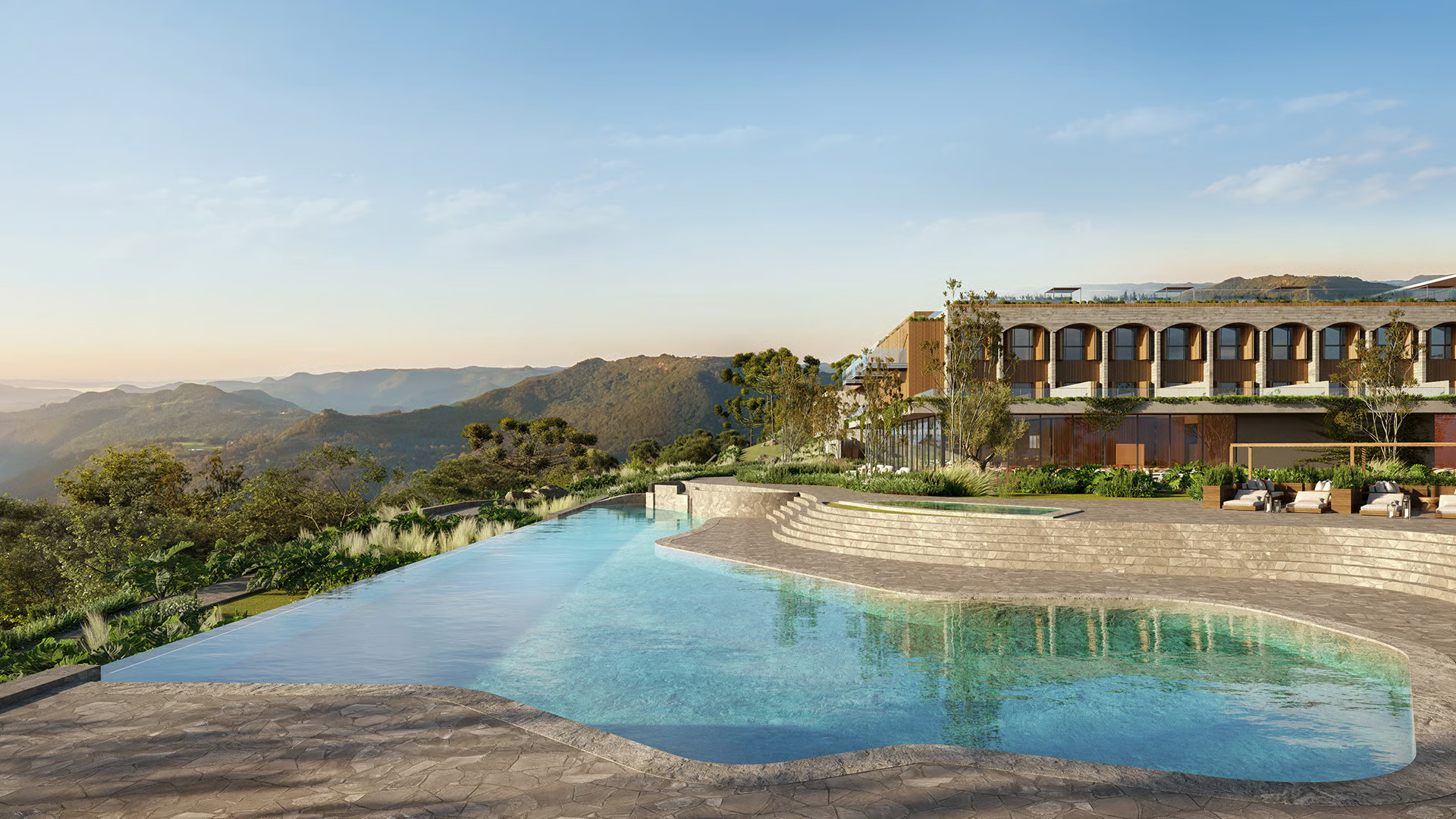
Branded residences have become one of the fastest growing segments in global luxury real estate. These properties are developed in partnership with established hospitality, fashion, or automotive brands that bring their identity into residential living spaces. The appeal lies in combining private home ownership with five star hotel style services and globally recognized brand prestige.
Why Wealthy Buyers Prefer Branded Residences
Elite property buyers are increasingly drawn to branded residences because they offer consistency, reliability, and status recognition. Unlike traditional luxury properties, these developments come with standardized service quality, professional management, and curated lifestyle experiences. This reduces uncertainty and enhances long term property value perception among high net worth individuals.
Integration of Hospitality Level Services
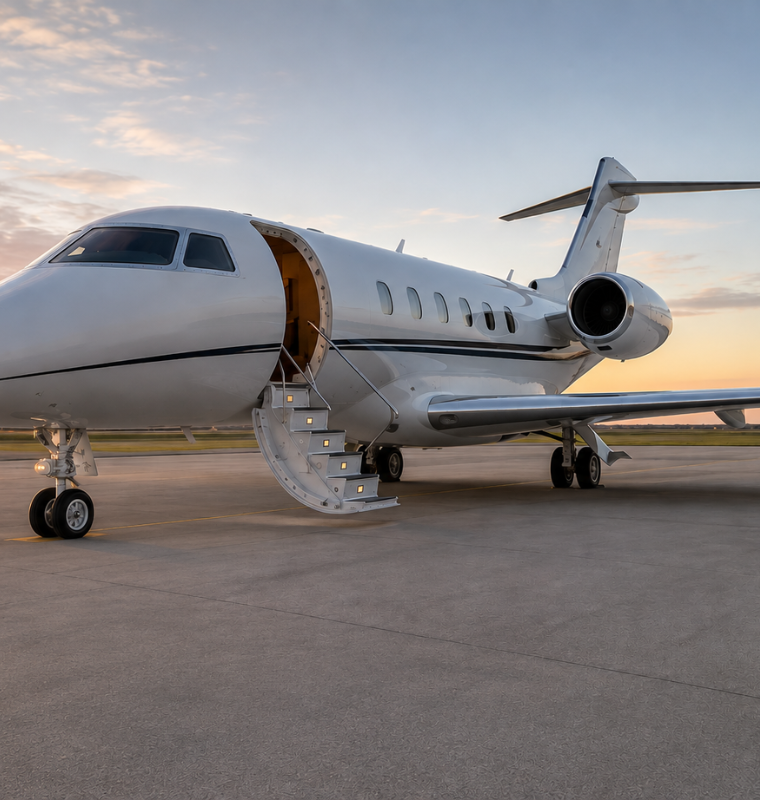
One of the defining features of branded residences is the inclusion of hospitality inspired services. These may include 24 hour concierge support, housekeeping, personal chefs, spa access, and private transportation arrangements. The goal is to replicate the comfort of luxury hotels within permanent residential ownership structures.
Global Expansion of Luxury Branding in Real Estate
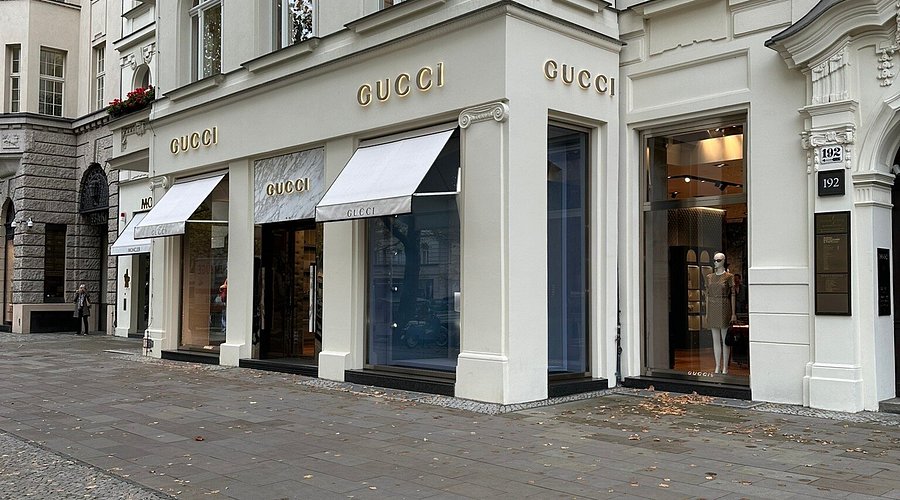
Luxury brands are expanding aggressively into real estate markets across major global cities and resort destinations. Developers collaborate with international brands to create properties that reflect a specific lifestyle identity. This strategy allows buyers to align their home environment with a recognizable global luxury standard.
Role of Status and Identity in Purchasing Decisions
For many elite buyers, purchasing a branded residence is not only a financial decision but also a lifestyle statement. Brand association carries symbolic value that signals exclusivity and access to a global elite network. This psychological factor plays a major role in driving demand in competitive luxury markets.
Prime Location Strategy in Development Projects
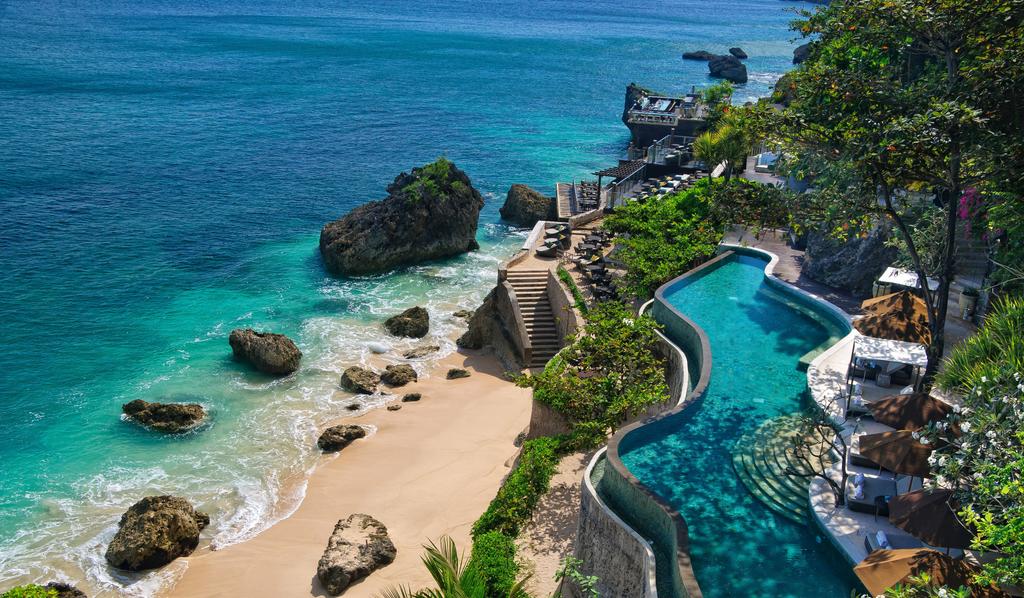
Branded residences are typically located in highly desirable urban centers, beachfront regions, or iconic tourist destinations. Location plays a critical role in reinforcing brand value and ensuring long term appreciation. Developers carefully select sites that align with both lifestyle appeal and investment potential.
Customization and Personalization Trends
Despite standardized branding, many luxury developments now offer extensive customization options. Buyers can personalize interiors, layouts, and amenities according to their preferences. This balance between brand consistency and individual expression enhances the attractiveness of these properties.
Investment Appeal of Branded Properties
Branded residences often demonstrate strong resale value compared to non branded luxury properties. This is due to their association with reputable names, professional maintenance standards, and global recognition. Investors view them as relatively stable assets within the luxury real estate segment.
Influence of Global Mobility on Demand
As wealthy individuals increasingly live across multiple countries, branded residences offer a sense of familiarity regardless of location. The ability to experience the same level of service and design across different cities is a key driver of demand. This aligns with the broader trend of global lifestyle mobility among affluent buyers.
Technology Integration in Modern Luxury Homes
Many branded developments now incorporate advanced smart home systems and integrated digital concierge platforms. Residents can manage services, security, and amenities through centralized applications. This enhances convenience and aligns with expectations of tech enabled luxury living.
Future Outlook of Branded Luxury Living
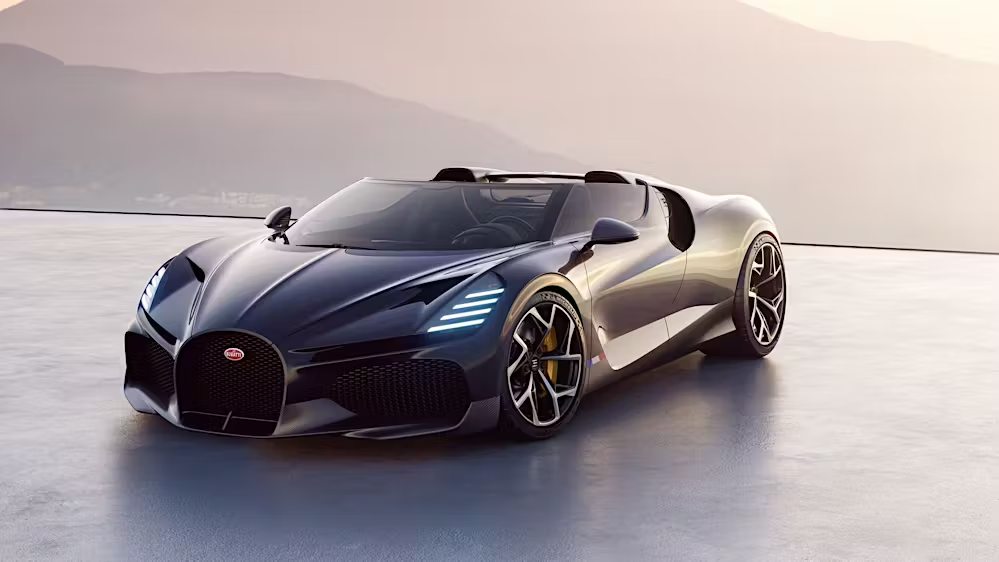
The branded residence model is expected to continue expanding as global wealth grows and lifestyle expectations evolve. Developers will likely introduce more partnerships with non traditional luxury sectors, including fashion houses and automotive brands. This evolution will further blur the line between hospitality, lifestyle, and residential ownership.
Subscribe to unlock premium content
Sed at tellus, pharetra lacus, aenean risus non nisl ultricies commodo diam aliquet arcu enim eu leo porttitor habitasse adipiscing porttitor varius ultricies facilisis viverra lacus neque.
A comprehensive guide on Agile development

10 Productivity tools that are worth checking out
Top 7 Must have management tools for productivity

A comprehensive guide on Agile development
10 Productivity tools that are worth checking out
A comprehensive guide on Agile development