
Exclusive Underwater Hotel Networks Expand Across the Maldives and Caribbean for Elite Private Travelers
By
John Carter
Last updated:
April 19, 2026
First Published:
April 19, 2026

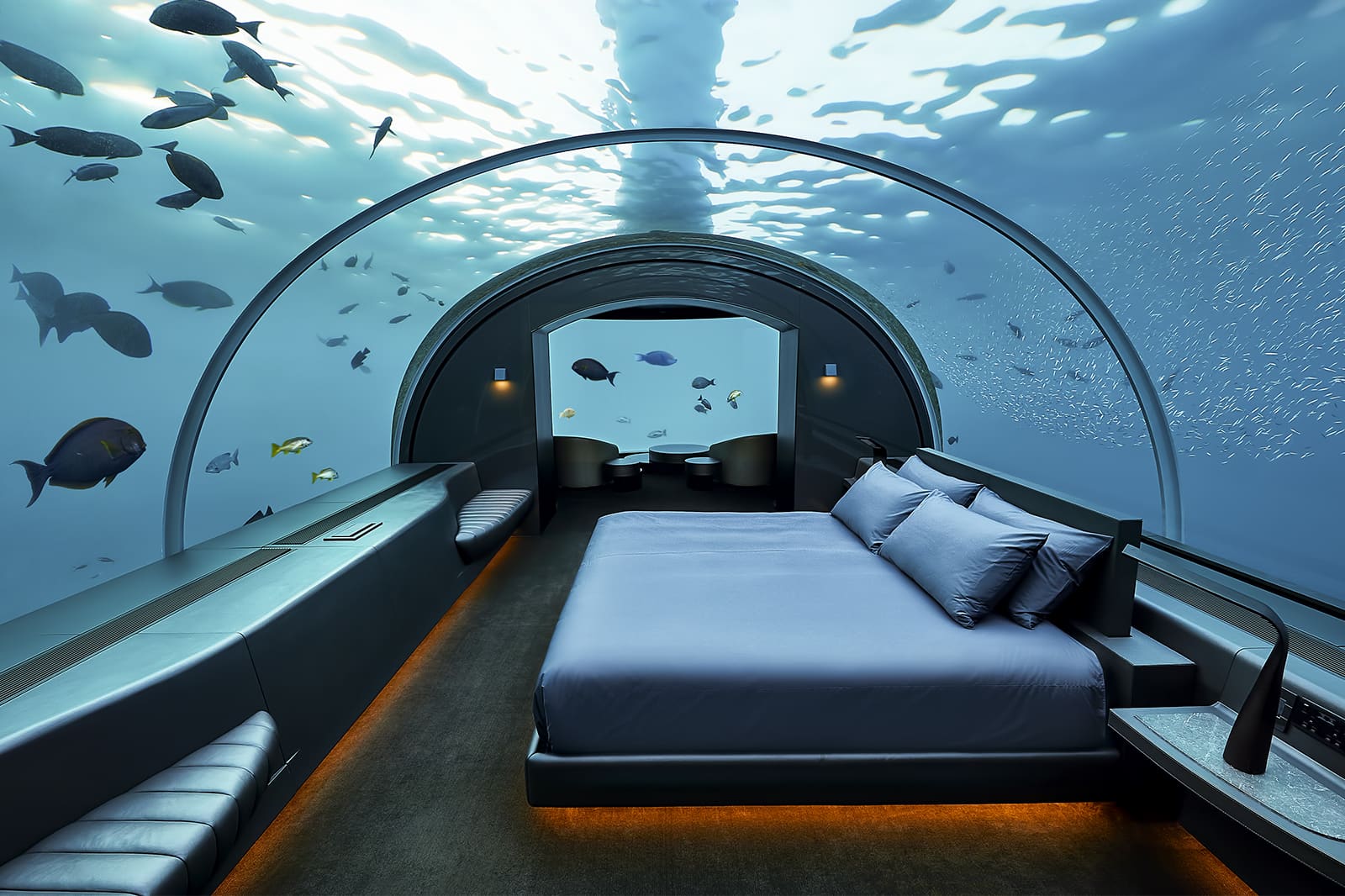
Photo: Jacksons Engineering
A new wave of underwater hospitality development is reshaping the global luxury travel landscape. Exclusive submerged hotel networks are expanding across tropical regions, particularly in the Maldives and the Caribbean, targeting the world’s most affluent travelers who seek absolute privacy and extraordinary environments.
These underwater properties are no longer limited to single boutique concepts. Developers are now building interconnected networks of submerged suites and private ocean level villas that function as part of a broader luxury ecosystem. The goal is to create entire hospitality experiences beneath the ocean surface.
The appeal of underwater hotels lies in their combination of seclusion and immersive natural beauty. Guests are surrounded by marine life in fully transparent living spaces while maintaining access to world class comfort and personalized services. This blend of isolation and connectivity defines the new standard of elite travel.
In the Maldives, several private island operators are expanding their offshore developments into deeper marine zones. These projects include underwater corridors, submerged dining spaces, and private observation chambers that allow uninterrupted views of coral ecosystems and ocean wildlife.
The Caribbean is following a similar trajectory with luxury hospitality groups investing in submerged architectural structures near protected reef systems. These developments are carefully engineered to minimize environmental disruption while maximizing visual and experiential value for guests.
A defining feature of these underwater hotel networks is exclusivity. Access is highly restricted and often reserved for members of private travel clubs or invitation only clientele. This ensures that occupancy remains limited and personalized attention is maintained at all times.
Technology plays a central role in making these environments viable. Advanced pressure resistant materials, oxygen regulation systems, and autonomous safety monitoring frameworks allow guests to live comfortably beneath the ocean surface without compromising security or convenience.
Design innovation is also a key driver of competition among luxury hospitality brands. Interior spaces are being crafted to mimic natural oceanic movement, with lighting systems that simulate underwater sun patterns and structural layouts that enhance panoramic marine visibility.
Environmental integration is another important aspect of these developments. Many underwater hotels are incorporating marine conservation zones directly into their architecture. This allows guests to observe protected ecosystems while supporting ecological preservation efforts through funding and controlled access policies.
The demand for these experiences is largely driven by ultra wealthy travelers seeking alternatives to traditional luxury destinations. Private jets, super yachts, and island resorts are now being complemented by submerged stays that offer a completely different sensory environment.
Industry analysts suggest that underwater hotel networks could become a major segment of luxury tourism over the next decade. As construction techniques improve and operational costs stabilize, more regions are expected to adopt similar submerged hospitality models.
Ultimately, the expansion of underwater hotel networks reflects a broader transformation in global luxury culture. Exclusivity is no longer defined only by location on land but by the ability to create entirely new living environments beneath the surface of the ocean.


Subscribe to unlock premium content
Sed at tellus, pharetra lacus, aenean risus non nisl ultricies commodo diam aliquet arcu enim eu leo porttitor habitasse adipiscing porttitor varius ultricies facilisis viverra lacus neque.
A comprehensive guide on Agile development

10 Productivity tools that are worth checking out
Top 7 Must have management tools for productivity

A comprehensive guide on Agile development
10 Productivity tools that are worth checking out
A comprehensive guide on Agile development