
Experiential Luxury Transforms High End Retail
By
John Carter
Last updated:
December 16, 2025
First Published:
December 16, 2025

The rise of experience over acquisition
Luxury consumers today prioritize engagement and personalization over simple ownership. Brands are recognizing that affluent buyers seek memorable experiences that reflect status, identity, and lifestyle values. In response, high end retailers are increasingly designing environments that emphasize immersion, interaction, and storytelling rather than purely transactional shopping.
Retail as a destination
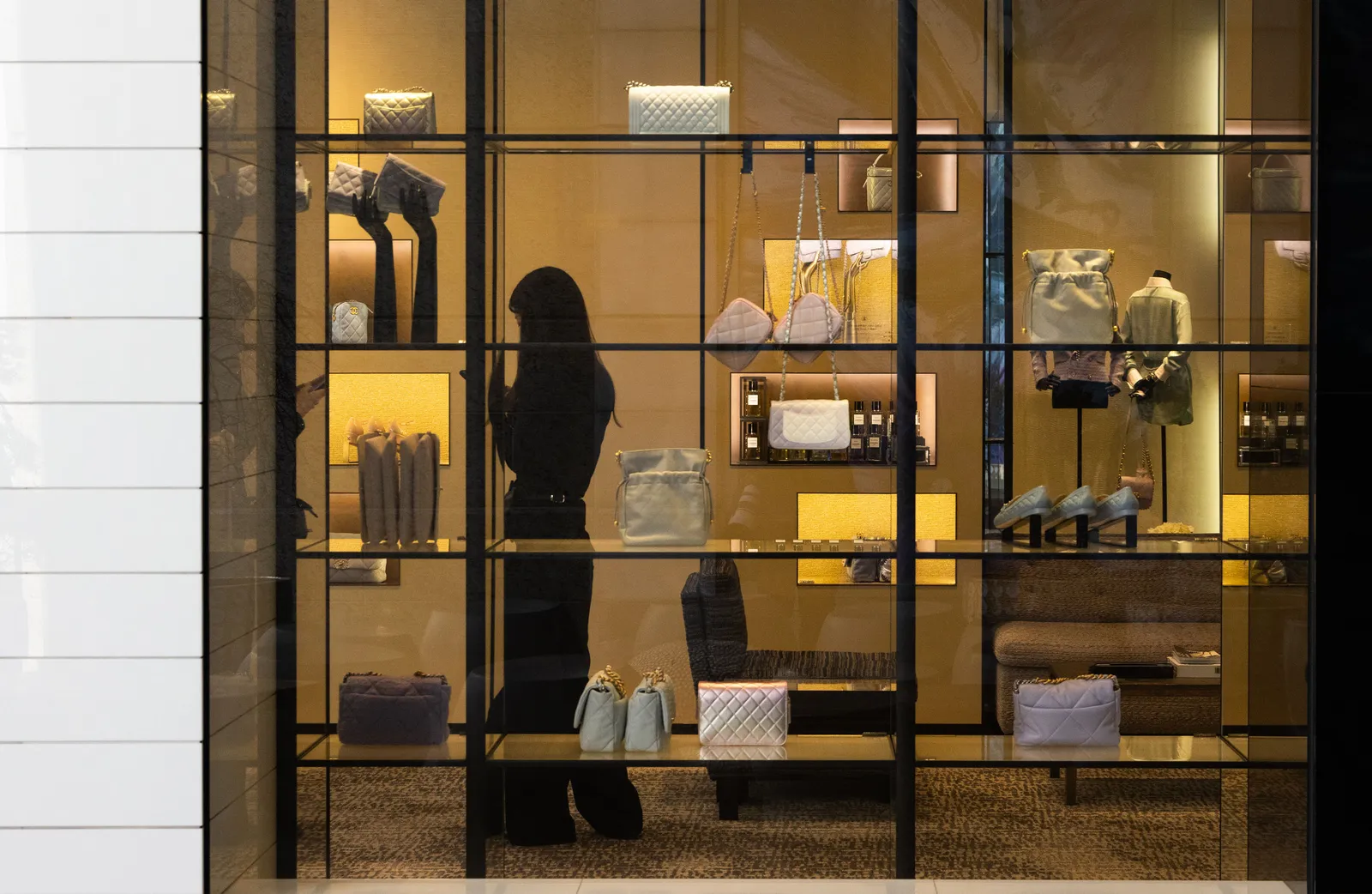
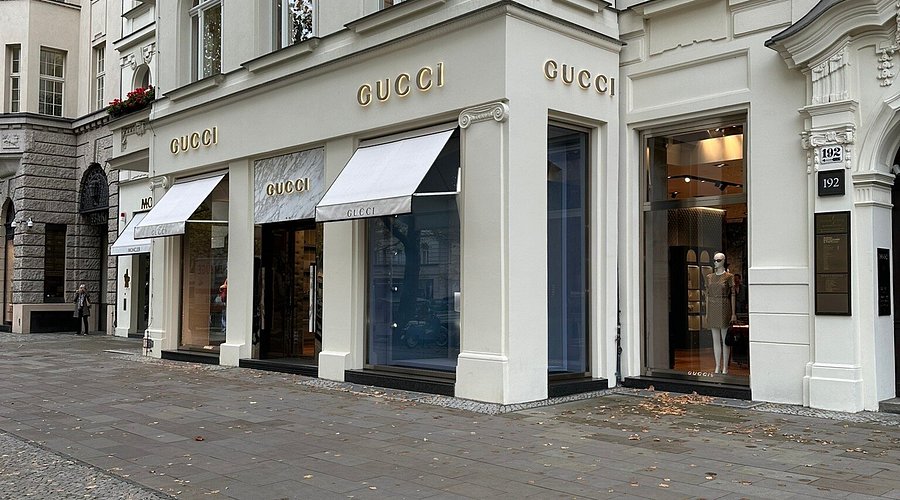
Luxury stores are evolving into destinations where visitors spend time exploring curated spaces, art installations, and cultural exhibits. The in store experience is intentionally crafted to showcase craftsmanship, heritage, and brand philosophy. This approach transforms ordinary retail into a multi sensory encounter that resonates with wealthy clientele on an emotional level.
Personalization drives loyalty
High net worth customers expect bespoke attention. Personalized consultations, made to measure services, and tailored product offerings reinforce brand loyalty. This level of engagement builds relationships beyond purchase behavior, creating a sense of exclusivity and trust that cannot be replicated online.
Integration of wellness and lifestyle services
Modern luxury experiences often include wellness, gastronomy, and cultural components. From private spa sessions to curated culinary experiences, these offerings cater to holistic lifestyle expectations. Affluent buyers increasingly measure brand value by how it enhances daily life, personal wellbeing, and social expression.
Technology enhances the experiential journey
Digital tools are integrated seamlessly into the physical environment to elevate customer interaction. Augmented reality, interactive displays, and AI powered recommendations provide immersive engagement while preserving the luxury feel. Technology becomes a facilitator of experience rather than a replacement for human interaction.
Emotional storytelling as a strategic asset
Luxury brands emphasize narrative to create emotional resonance. Exhibits highlighting artisanal heritage, design inspiration, and limited edition releases convey authenticity and purpose. This narrative approach strengthens the perceived value of products and reinforces long term consumer connection.
Experiential retail boosts in store performance
Retail data now confirms that immersive stores drive higher sales per visit. Clients are willing to invest more when experiences create meaningful context and justification for purchase. Experiential engagement transforms shopping from an obligation into a valued leisure activity, strengthening brand perception and financial returns simultaneously.
Global rollout of flagship experience stores
Major luxury houses are strategically expanding flagship locations that exemplify experiential retail. These stores act as hubs for cultural programming, private events, and exclusive previews. By concentrating resources in high impact locations, brands amplify influence and cater to the concentrated presence of wealthy consumers.
Education and engagement foster deeper brand affinity
Workshops, masterclasses, and interactive demonstrations allow clients to engage with product craftsmanship and brand philosophy. By offering knowledge as part of the experience, brands reinforce authority, credibility, and exclusivity, positioning themselves as partners in the lifestyle aspirations of affluent clientele.
A paradigm shift in defining luxury success
The measurement of success in luxury retail is shifting from transaction volume to experiential impact. Brands that master immersive, personalized, and culturally resonant engagement establish long term relevance and command premium pricing. Affluent consumers now reward creativity, authenticity, and thoughtful human connection more than mere product availability.

Subscribe to unlock premium content
Sed at tellus, pharetra lacus, aenean risus non nisl ultricies commodo diam aliquet arcu enim eu leo porttitor habitasse adipiscing porttitor varius ultricies facilisis viverra lacus neque.
A comprehensive guide on Agile development

10 Productivity tools that are worth checking out
Top 7 Must have management tools for productivity

A comprehensive guide on Agile development
10 Productivity tools that are worth checking out
A comprehensive guide on Agile development