

Family Offices Expand Alternative Investments to Preserve Generational Wealth
By
Sophie Moore
Last updated:
March 15, 2026
First Published:
March 15, 2026


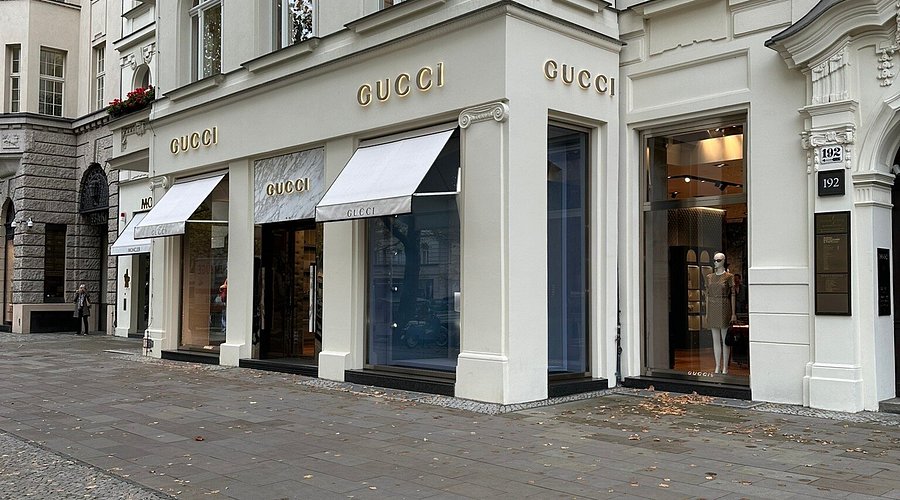
Photo: Weaver
The management of extraordinary wealth has evolved far beyond traditional stocks and bonds. Today, family offices around the world are embracing alternative investments as a core component of their strategies. These specialized structures are designed to protect family fortunes while providing opportunities for growth, diversification, and long term security. In an era of global economic uncertainty, this approach has become essential for preserving generational wealth.
What Are Family Offices?
Family offices are private entities created to manage the financial, administrative, and sometimes personal affairs of ultra wealthy families. Unlike conventional investment firms, they focus exclusively on the needs of a single family or a small group of related families. Their responsibilities often include managing investments, estate planning, philanthropic initiatives, and lifestyle management.
These offices provide a level of personalized oversight that cannot be achieved through public wealth management channels. By tailoring strategies to the unique goals, risk tolerance, and values of the family, family offices help ensure that wealth is preserved and strategically allocated for future generations.
Why Alternative Investments Are Gaining Popularity
In recent years there has been a notable shift toward alternative assets. This includes private equity, venture capital, hedge funds, real estate, infrastructure projects, art, and rare collectibles. These investments are often less correlated with traditional market fluctuations, making them attractive for risk diversification.
Family offices are drawn to alternatives because they offer the potential for higher returns over the long term while mitigating exposure to stock market volatility. By blending conventional and unconventional asset classes, wealthy families can achieve a more resilient and adaptable investment portfolio.
Private Equity and Venture Capital
Private equity and venture capital have emerged as particularly important areas for family office investment. These asset classes allow families to participate in high growth opportunities, often with early access to innovative startups or established private companies. In addition to financial returns, these investments provide strategic influence and the ability to support enterprises aligned with family values.
Real Estate as a Stable Asset Class
Luxury and commercial real estate remain cornerstone holdings for many family offices. Properties in prime locations offer both long term value appreciation and steady income streams. Beyond financial benefits, real estate often serves as a tangible, legacy-rich asset that can be passed down through generations.
Alternative Collectibles and Cultural Assets
Family offices also increasingly explore investments in rare art, classic cars, and other collectibles. These assets combine cultural significance with potential financial upside. For families seeking to build a lasting legacy, such items offer both aesthetic value and tangible wealth preservation, reinforcing identity across generations.
Global Diversification for Risk Management
Modern family offices take a global approach to alternative investments. By allocating capital across multiple geographies and sectors, families can reduce exposure to regional economic instability and currency fluctuations. This global diversification strategy enhances long term stability while uncovering unique opportunities unavailable to conventional investors.
Technology and Advisory Support
The rise of sophisticated technology platforms has enabled family offices to manage complex portfolios more effectively. Data analytics, risk management tools, and advisory networks provide detailed insights into performance, market trends, and emerging opportunities. In combination with expert advisors, these tools allow families to make informed decisions about both traditional and alternative investments.
Preserving Wealth Across Generations
One of the key objectives of family offices is ensuring that wealth endures across generations. Alternative investments support this goal by providing diversified, long term growth potential while minimizing exposure to short term market shocks. Families can structure holdings, trusts, and philanthropic foundations to maintain control and influence over wealth while fostering financial literacy among younger generations.
The Future of Family Office Strategies
As global wealth continues to expand, family offices are expected to deepen their engagement with alternative investment markets. Innovation, technology, and cross border opportunities will shape strategies that combine financial growth with cultural and legacy preservation. The trend indicates a more proactive, thoughtful approach to wealth management among the ultra wealthy.
The evolution of family offices demonstrates that modern wealth preservation requires more than conventional investments. By embracing alternative assets, ultra wealthy families are creating diversified portfolios capable of sustaining wealth across generations. These strategies blend financial growth with cultural legacy, ensuring that family fortunes remain resilient, influential, and enduring.



Subscribe to unlock premium content
Sed at tellus, pharetra lacus, aenean risus non nisl ultricies commodo diam aliquet arcu enim eu leo porttitor habitasse adipiscing porttitor varius ultricies facilisis viverra lacus neque.
A comprehensive guide on Agile development

10 Productivity tools that are worth checking out

Top 7 Must have management tools for productivity

A comprehensive guide on Agile development
10 Productivity tools that are worth checking out
A comprehensive guide on Agile development