

From Ownership to Control How Elite Investors Are Reshaping What It Means to Be Rich
By
John Carter
Last updated:
February 2, 2026
First Published:
February 2, 2026


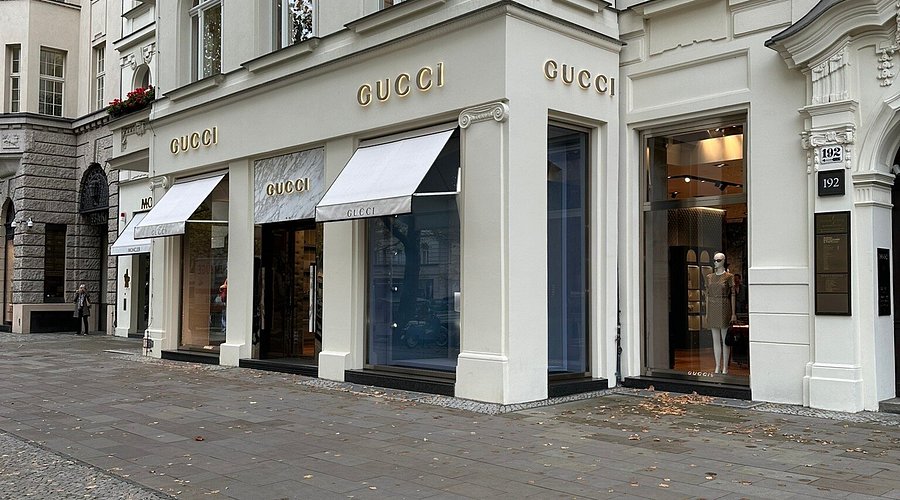
Photo: Entrepreneur
A New Philosophy of Wealth Emerges
Traditional wealth emphasized accumulation ownership and visible markers of status. Mansions cars and art collections defined success. Today a growing segment of elite investors is shifting focus. Ownership is no longer the ultimate goal. Control, influence, and strategic decision making have become the new measures of financial sophistication.
Why Ownership Alone Is Losing Its Edge
Owning an asset no longer guarantees advantage. Public markets are accessible, valuations are transparent, and information travels instantly. As a result, sheer ownership provides less leverage than it once did. Elite investors now seek mechanisms that allow them to shape outcomes rather than simply participate in them.
Control as the Ultimate Asset
Control allows decision making power, timing, and flexibility. Investors are structuring holdings in ways that let them influence company strategy, governance, or asset deployment. This approach transforms capital from a passive store of value into an active operational tool.
The Rise of Strategic Partnerships
Partnerships are replacing sole ownership models. By collaborating with other high net worth individuals or institutional players, investors gain influence over projects without the need for full ownership. These alliances amplify reach and decision making capacity while limiting exposure to risk.
Portfolio Design With Influence in Mind
Modern portfolios prioritize positions that provide leverage, not just financial return. Minority stakes that confer strategic decision rights, board memberships, or operational involvement are now more attractive than large passive holdings. Wealth is measured by ability to act, not just what is held.
How Technology Supports Control
Advanced analytics, real time data, and digital tools allow elite investors to monitor and influence assets dynamically. Access to proprietary platforms and private networks enables them to respond faster than traditional owners. Control becomes both a physical and virtual advantage.
The Psychological Advantage of Control
Influence over outcomes creates confidence and reduces reliance on external systems. Investors with control can shape market timing, manage risk proactively, and seize opportunities before competitors even recognize them. The sense of agency enhances long term resilience and wealth preservation.
Impact on Lifestyle and Decision Making
This shift from ownership to control extends beyond finance. Wealth holders are using influence to shape the industries, cities, and cultural movements they care about. Investments now align closely with personal goals, values, and lifestyle choices rather than purely financial metrics.
Redefining Status and Power
Visible possessions are no longer the primary markers of wealth. Those who can orchestrate outcomes, guide projects, or influence markets quietly demonstrate superior capability. Status is increasingly tied to operational sophistication rather than consumption.
The Future of Elite Investing
As more wealthy individuals embrace control over ownership, the very structure of wealth will evolve. Private deals, selective partnerships, and governance influence will dominate. The next generation of affluent investors will judge success not by what they own, but by what they can direct and shape.



Subscribe to unlock premium content
Sed at tellus, pharetra lacus, aenean risus non nisl ultricies commodo diam aliquet arcu enim eu leo porttitor habitasse adipiscing porttitor varius ultricies facilisis viverra lacus neque.
A comprehensive guide on Agile development

10 Productivity tools that are worth checking out

Top 7 Must have management tools for productivity

A comprehensive guide on Agile development
10 Productivity tools that are worth checking out
A comprehensive guide on Agile development