

Global Billionaires Expand Second Citizenship Plans Amid Rising Demand for Wealth Mobility and Asset Protection
By
Maya K.
Last updated:
June 8, 2026
First Published:
June 8, 2026

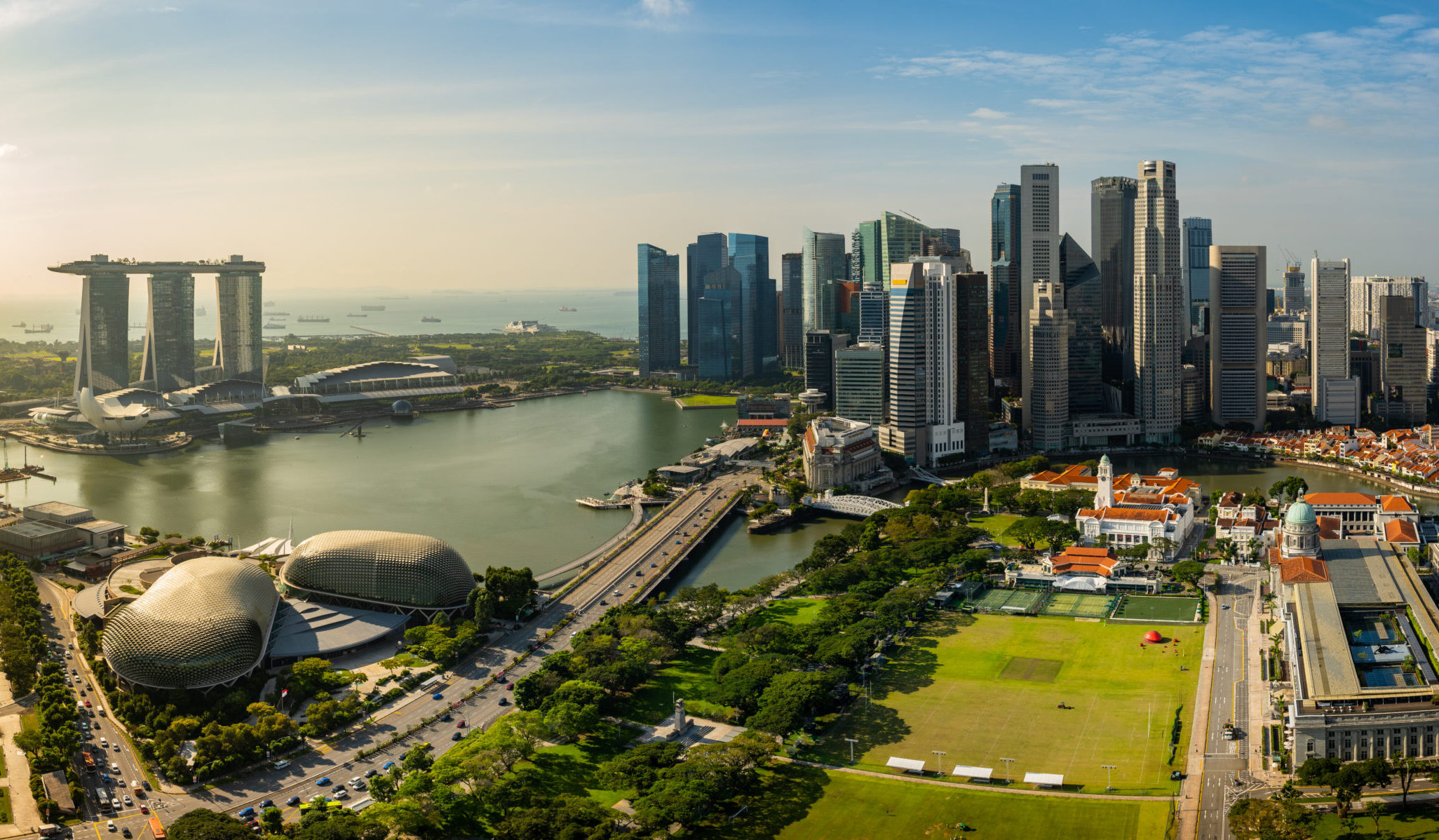
Photo: Forbes Asia Custom
A Growing Trend Among the Ultra Wealthy
In recent years, a noticeable shift has emerged among billionaires, entrepreneurs, investors, and high net worth families. Rather than concentrating their personal and financial lives within a single country, many are actively pursuing second citizenships and additional residency rights across multiple jurisdictions.
What was once considered a niche strategy used by a small number of international business leaders has evolved into a mainstream wealth management practice among the global elite. The motivation behind this trend extends far beyond luxury travel. Wealth mobility has become an essential component of long term financial planning, personal security, business expansion, and family legacy preservation.
As geopolitical changes, economic fluctuations, and regulatory developments continue to shape the global landscape, the demand for alternative citizenship options is reaching unprecedented levels.
Wealth Mobility Has Become a Modern Asset
Traditionally, wealth was measured through financial assets, real estate holdings, business ownership, and investment portfolios. Today, many wealthy individuals view global mobility itself as a valuable asset.
The ability to live, work, travel, invest, and conduct business across multiple countries offers significant advantages in an increasingly interconnected world. Access to additional passports can simplify international movement while opening doors to new economic opportunities and investment environments.
For many billionaires, global mobility is no longer considered a luxury. It is viewed as a strategic resource that enhances flexibility and strengthens overall wealth preservation efforts.
Economic Uncertainty Drives Diversification
One of the primary reasons wealthy individuals pursue second citizenships is the desire to diversify risk. Just as investors spread assets across different sectors and markets, many affluent families now seek geographic diversification.
Economic downturns, political changes, currency fluctuations, and regulatory reforms can impact wealth in unexpected ways. By maintaining legal residency or citizenship in multiple countries, individuals create additional layers of protection against unforeseen disruptions.
This approach provides peace of mind while ensuring access to alternative financial systems, investment opportunities, and lifestyle options should circumstances change in their primary country of residence.
Business Expansion Fuels International Residency Demand
Global entrepreneurs increasingly operate businesses that transcend national borders. Technology companies, investment firms, manufacturing operations, and digital enterprises often serve customers across multiple continents.
As businesses expand internationally, owners frequently seek residency rights that facilitate travel, simplify legal requirements, and strengthen access to key markets. Second citizenship programs can provide valuable support for these objectives.
Business leaders often view international residency as a practical tool that enables faster decision making, improved operational flexibility, and stronger relationships with partners around the world.
Family Legacy Planning Takes Priority
For many wealthy families, second citizenship decisions are motivated by long term planning rather than immediate financial gains. Parents and grandparents are increasingly focused on creating future opportunities for the next generation.
Additional citizenship rights may provide access to world class educational institutions, healthcare systems, employment opportunities, and business environments. Families often view these benefits as investments in future generations rather than simply lifestyle enhancements.
By securing broader global access for their children and grandchildren, affluent families seek to build resilience and adaptability in an uncertain future.
Luxury Real Estate Plays a Major Role
The rise in second citizenship applications has also fueled demand within luxury real estate markets. Many residency programs are linked to property investments, encouraging wealthy individuals to acquire homes in attractive international destinations.
Prime residential markets in coastal regions, financial centers, and lifestyle focused destinations continue attracting affluent buyers seeking both investment potential and residency advantages.
These properties often serve multiple purposes. They function as investment assets, vacation homes, business hubs, and long term residency options simultaneously.
As a result, luxury real estate remains a central component of global wealth mobility strategies.
The Appeal of Lifestyle Flexibility
Beyond financial and business considerations, lifestyle factors are becoming increasingly influential. Wealthy individuals now prioritize flexibility when deciding where to live, work, and spend time throughout the year.
Access to favorable climates, cultural experiences, privacy, healthcare quality, educational opportunities, and personal security all influence decision making.
Rather than committing to a single location permanently, many affluent families embrace a global lifestyle that allows them to divide their time among multiple destinations according to personal and professional priorities.
This approach reflects a broader shift toward lifestyle optimization among the world's wealthiest citizens.
Technology Makes Global Living Easier
Advancements in technology have made international living significantly more practical than in previous decades. Remote business management, digital communication platforms, secure financial systems, and virtual collaboration tools allow individuals to oversee global operations from virtually anywhere.
Many entrepreneurs no longer need to remain physically present in a single location to manage complex enterprises. This flexibility encourages greater exploration of international residency opportunities.
As technology continues advancing, barriers that once limited geographic mobility continue to diminish, further accelerating interest in second citizenship programs.
Governments Compete for Global Capital
Recognizing the economic benefits associated with attracting wealthy residents, many countries have developed programs designed to appeal to international investors and entrepreneurs.
These initiatives often aim to stimulate economic growth, attract foreign investment, create jobs, and strengthen local business ecosystems. Governments understand that high net worth individuals frequently contribute capital, expertise, and global business networks that support broader economic development.
As competition for global capital intensifies, countries are refining their offerings to attract affluent families seeking new opportunities and enhanced mobility.
Asset Protection Remains a Key Consideration
Asset protection continues to play an important role in the growing popularity of second citizenship strategies. Wealthy individuals often seek legal and financial structures that provide stability, predictability, and long term security.
Additional residency rights can offer access to different legal frameworks, banking systems, and investment environments. This diversification can help reduce concentration risk while strengthening overall wealth preservation strategies.
For many billionaires, maintaining options across multiple jurisdictions represents a prudent approach to protecting both personal and business interests.
The Future of Global Wealth Mobility
The demand for second citizenships is expected to remain strong as globalization, technological innovation, and economic uncertainty continue shaping wealth management practices. Future generations of affluent individuals may increasingly view international mobility as a standard component of financial planning rather than a specialized strategy.
The concept of wealth itself is evolving. Success is no longer defined solely by financial assets but also by freedom, flexibility, and access to opportunities across borders.
As the world becomes more interconnected, the ability to move seamlessly between countries may become one of the most valuable assets a wealthy individual can possess.
The expansion of second citizenship plans among global billionaires reflects a deeper transformation in how wealth is protected and managed. Modern affluent families seek more than financial returns. They seek options, resilience, and the ability to adapt to a rapidly changing world.
Whether driven by business opportunities, family planning, asset protection, lifestyle preferences, or economic diversification, the pursuit of global mobility has become a defining trend among the world's wealthiest individuals.
As international opportunities continue to grow and global challenges become increasingly complex, second citizenship strategies are likely to remain a central pillar of modern wealth management for years to come.



Subscribe to unlock premium content
Sed at tellus, pharetra lacus, aenean risus non nisl ultricies commodo diam aliquet arcu enim eu leo porttitor habitasse adipiscing porttitor varius ultricies facilisis viverra lacus neque.
A comprehensive guide on Agile development

10 Productivity tools that are worth checking out

Top 7 Must have management tools for productivity

A comprehensive guide on Agile development
10 Productivity tools that are worth checking out
A comprehensive guide on Agile development