
Global Billionaires Increase Luxury Asset Investments as Wealth Diversification Trend Accelerates
By
John Carter
Last updated:
March 15, 2026
First Published:
March 15, 2026

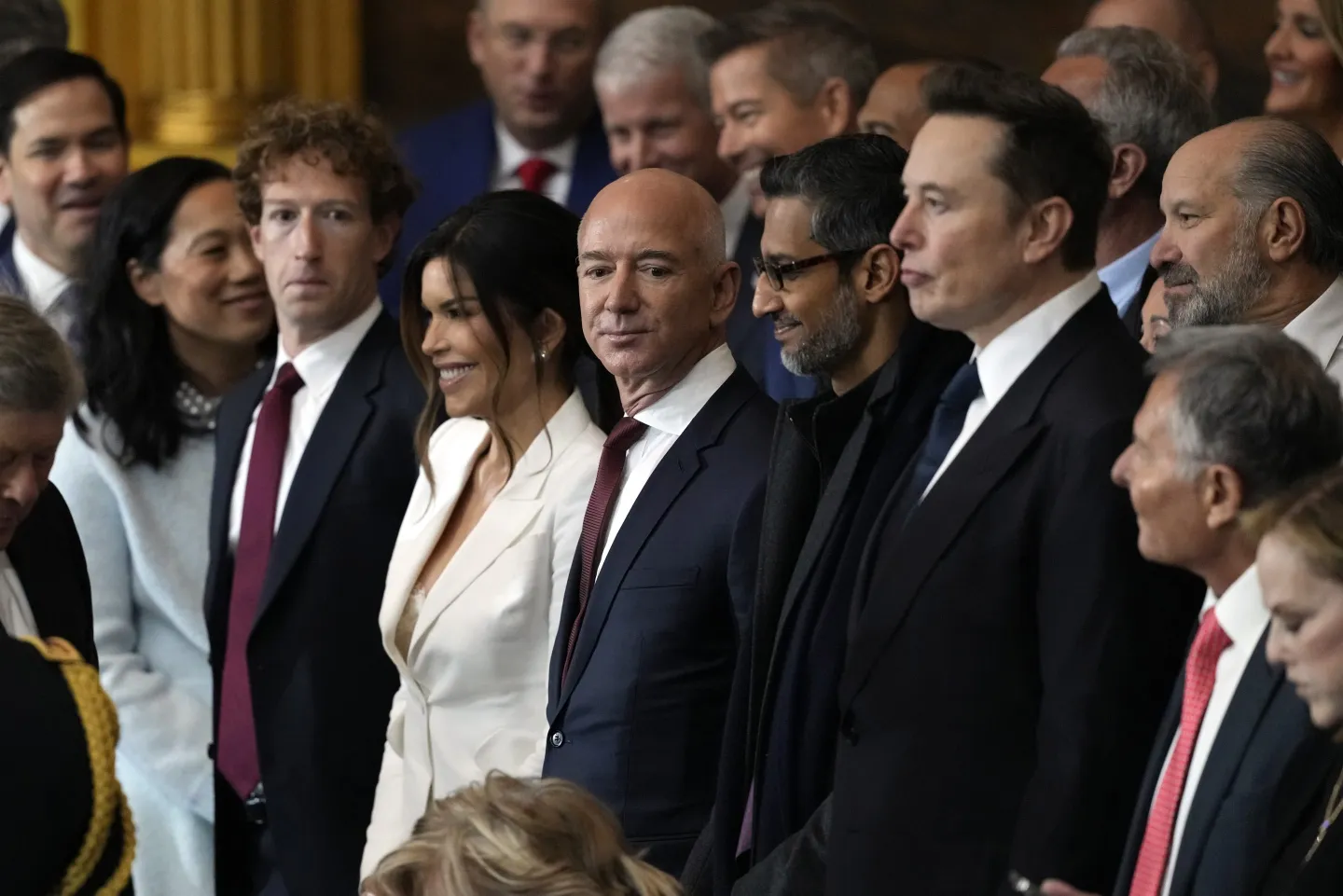
Getty Images
In recent years the world of extreme wealth has undergone a noticeable transformation. Billionaires across the globe are increasingly turning their attention toward luxury assets as part of a broader strategy to diversify their portfolios. While traditional investments such as stocks and bonds remain important, many of the ultra wealthy are now placing greater emphasis on tangible assets that combine exclusivity with long term value. This shift reflects a deeper understanding of how wealth preservation works during periods of economic uncertainty.
Luxury assets often provide a unique blend of prestige, rarity, and financial resilience. For billionaires who already possess significant holdings in financial markets, these assets represent both a lifestyle choice and a strategic financial decision. The growing demand for such investments has quietly reshaped parts of the global luxury economy.
Understanding the Appeal of Luxury Assets
Luxury assets include a wide range of high value items such as rare watches, fine art, vintage cars, premium real estate, and collectible jewelry. These items are not only symbols of status but also potential stores of wealth. Unlike many traditional assets, luxury collectibles often gain value through scarcity and cultural significance.
Billionaires are drawn to these investments because they offer diversification beyond financial markets. When stock markets fluctuate or economic conditions become unpredictable, tangible luxury assets can sometimes maintain their desirability among collectors and affluent buyers. This dynamic gives wealthy investors another layer of financial security.
The Role of Global Economic Uncertainty
Economic uncertainty often drives innovation in wealth management strategies. In the past decade investors have experienced periods of inflation concerns, market volatility, and shifting geopolitical landscapes. For billionaires managing vast fortunes, protecting wealth requires thinking beyond conventional investment categories.
Luxury assets provide a hedge against certain economic risks. High net worth individuals understand that rare objects and exclusive properties can hold value even during periods of financial instability. This realization has encouraged many wealthy investors to allocate a larger portion of their portfolios toward these distinctive assets.
Prestige and Investment in the Luxury Real Estate Market
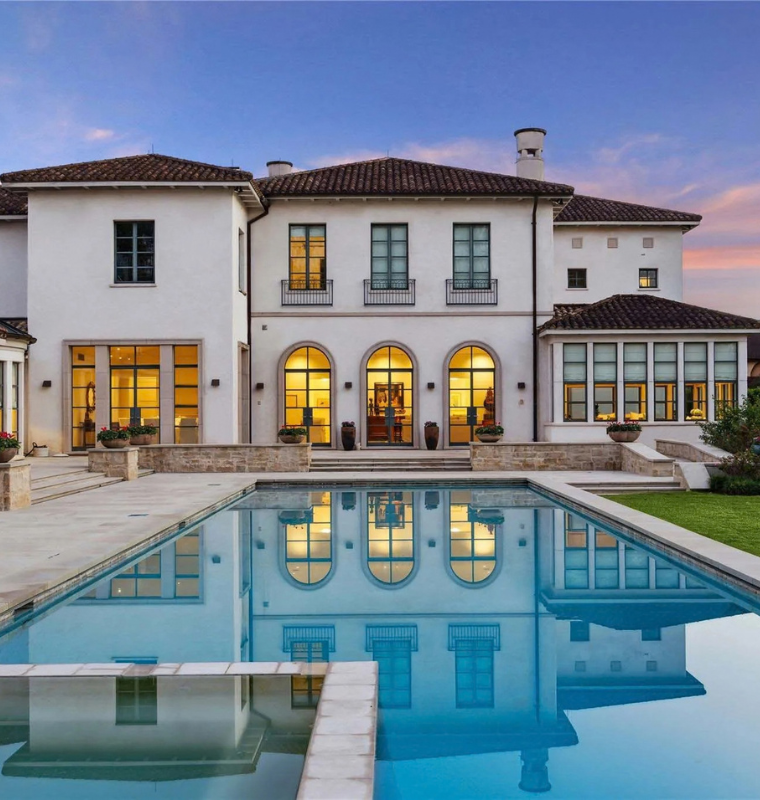
One of the most popular luxury asset classes among billionaires is premium real estate. Properties located in globally recognized destinations continue to attract the attention of ultra wealthy buyers. These homes often feature architectural uniqueness, exceptional locations, and privacy that cannot be replicated easily.
Beyond lifestyle appeal, luxury real estate can function as a strategic investment. Exclusive residences in desirable locations tend to retain demand among wealthy buyers worldwide. This sustained interest can help maintain property values over long periods, making such properties attractive components of diversified wealth portfolios.
Rare Collectibles as Alternative Wealth Storage
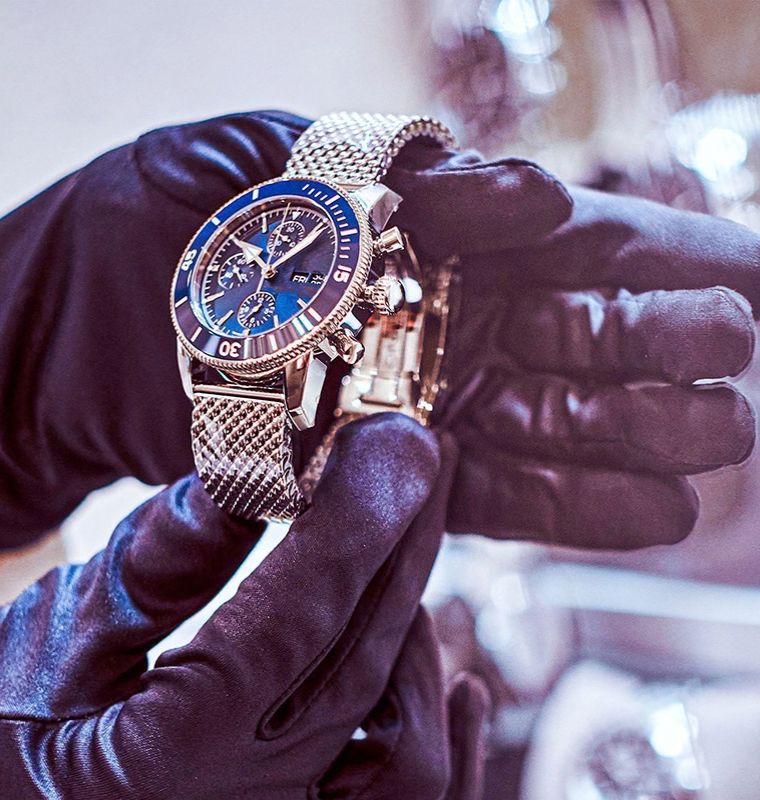
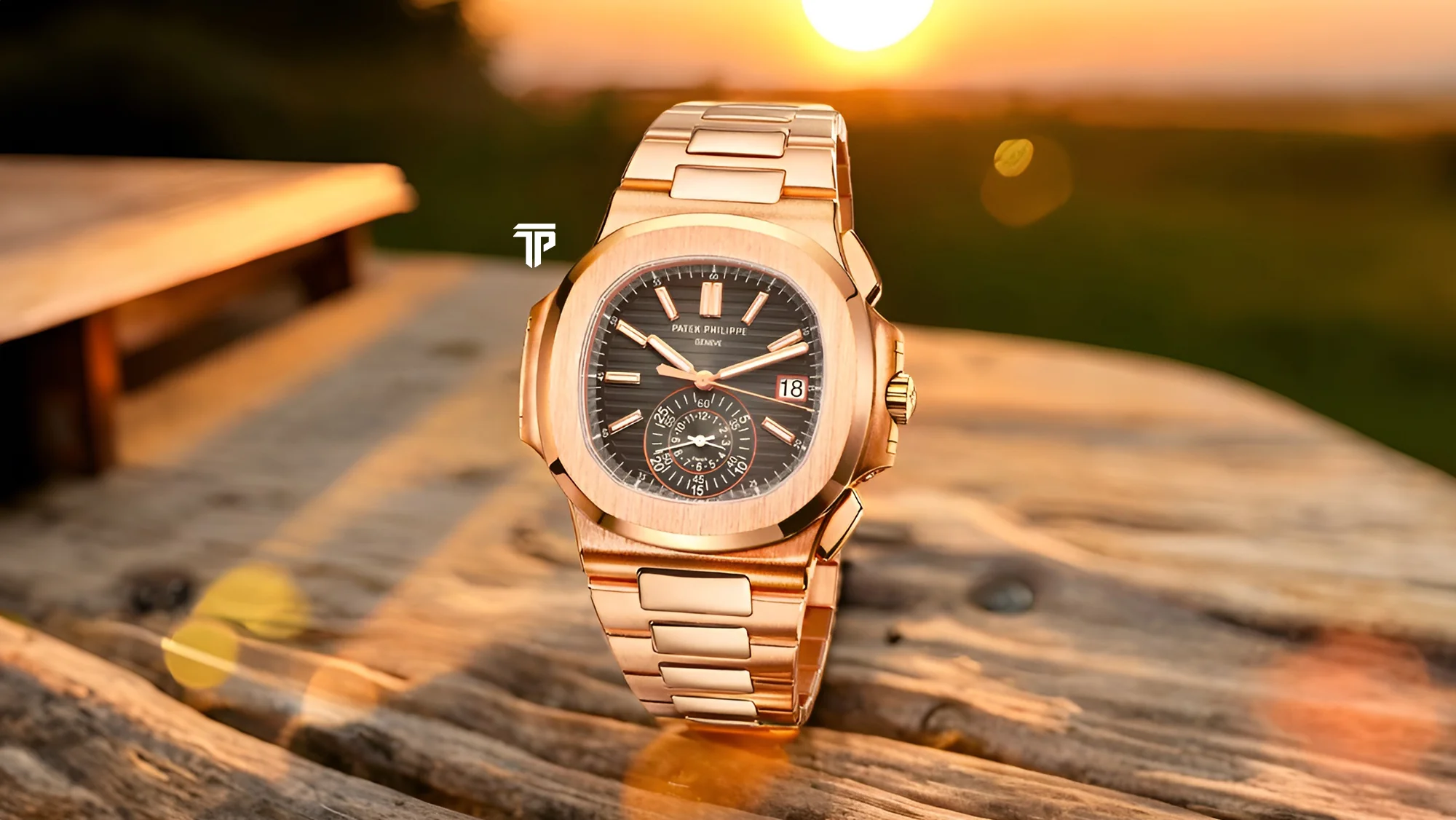
Collectible luxury items have emerged as another favored asset category. High end watches, rare art pieces, vintage automobiles, and historically significant jewelry often command remarkable prices in private sales and auctions. These items carry emotional and cultural value that extends beyond their material composition.
Collectors within the billionaire community often view these items as long term investments that also provide personal enjoyment. Ownership of such rare objects allows investors to participate in elite cultural circles while simultaneously holding assets that may appreciate in value over time.
The Influence of Global Wealth Culture
The modern billionaire lifestyle plays an important role in shaping investment decisions. Wealth today is often closely tied to experiences, personal branding, and legacy building. Luxury assets naturally fit into this culture because they represent more than financial instruments.
A rare painting displayed in a private gallery or a historic automobile maintained in a curated collection can become part of a billionaire’s identity. These assets reflect personal taste while reinforcing social prestige within global elite communities.
Family Offices Driving Strategic Diversification
Many billionaires manage their fortunes through family offices that oversee complex investment strategies. These private wealth management structures are responsible for protecting assets across generations. As a result they are constantly exploring ways to balance growth with stability.
Family offices increasingly allocate resources to luxury asset categories because they offer diversification that complements traditional investments. By including rare collectibles, premium properties, and unique cultural assets in their portfolios, these organizations aim to reduce exposure to market volatility while preserving long term value.
The Growing Market for Luxury Asset Expertise
As demand for luxury investments expands, a specialized industry has emerged to support wealthy collectors. Advisors, curators, auction specialists, and luxury market analysts now play an important role in helping billionaires identify valuable opportunities. These professionals guide investors through complex markets where authenticity, rarity, and provenance are critical factors.
The rise of this advisory ecosystem highlights how luxury assets have evolved into a sophisticated segment of wealth management. What was once considered a passion purchase is now treated with the same analytical rigor as traditional financial investments.
Long Term Legacy and Generational Wealth
For many billionaires luxury assets also serve a deeper purpose related to legacy planning. Wealth is often passed down through generations, and rare objects can become symbolic representations of family heritage. Art collections, historic estates, and valuable heirlooms often carry stories that extend far beyond their financial worth.
These assets help families preserve cultural identity while maintaining significant financial value. In many cases they become centerpieces of family foundations, museums, or private collections that continue to influence cultural landscapes long after the original owner is gone.
The Future of Luxury Asset Investing
Looking ahead the trend toward luxury asset investment is expected to grow stronger. As global wealth expands and new billionaires emerge in different regions of the world, competition for rare and prestigious assets will likely intensify. Scarcity will continue to drive value, making the most exceptional items increasingly desirable among elite collectors.
Technology and global connectivity are also changing how luxury assets are discovered and traded. Digital platforms now connect buyers and sellers across continents, making it easier for wealthy investors to participate in exclusive markets.
The rising interest in luxury assets among billionaires reflects a sophisticated approach to wealth diversification. By blending lifestyle enjoyment with strategic investment thinking, the ultra wealthy are redefining how fortunes are preserved and expanded. Luxury assets represent more than status symbols. They are becoming integral components of modern wealth management strategies that balance financial resilience with personal expression.
Subscribe to unlock premium content
Sed at tellus, pharetra lacus, aenean risus non nisl ultricies commodo diam aliquet arcu enim eu leo porttitor habitasse adipiscing porttitor varius ultricies facilisis viverra lacus neque.
A comprehensive guide on Agile development

10 Productivity tools that are worth checking out

Top 7 Must have management tools for productivity

A comprehensive guide on Agile development
10 Productivity tools that are worth checking out
A comprehensive guide on Agile development