

Global Elite Accelerate Shift Into Tokenized Masterpiece Art Ownership and Fractional Museum Grade Collections
By
Sophie Moore
Last updated:
April 19, 2026
First Published:
April 19, 2026

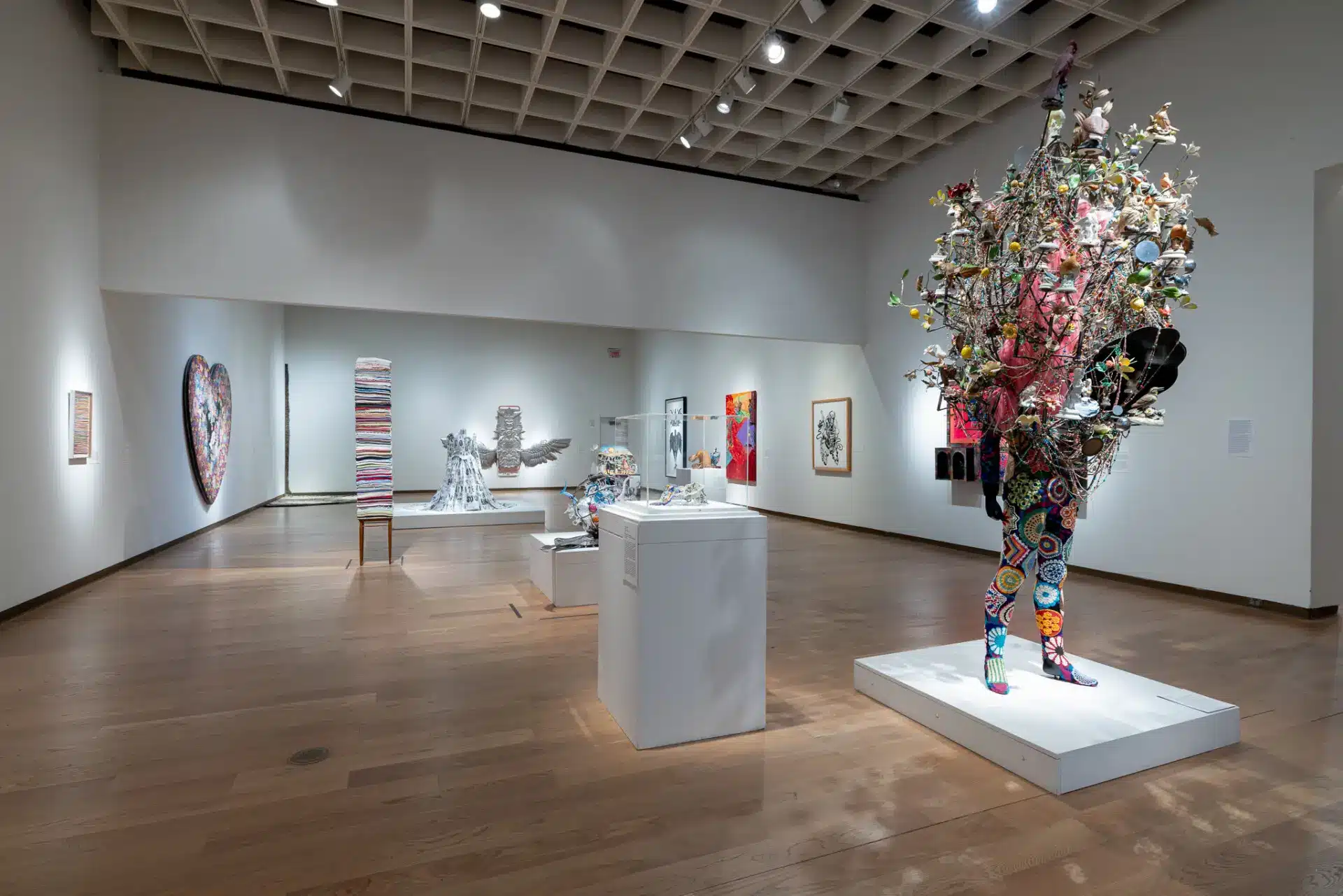
Photo: Orlando Museum of Art
The global luxury investment landscape is undergoing a structural transformation as ultra high net worth individuals increasingly move toward tokenized ownership of fine art. Masterpiece collections that once existed solely in private vaults or elite museums are now being divided into fractional digital assets.
This shift is driven by a combination of liquidity demand, portfolio diversification strategies, and technological advancement in blockchain based ownership systems. High value artworks are no longer viewed only as static collectibles but as dynamic financial instruments.
Tokenization allows a single artwork to be divided into multiple digital shares, enabling investors to own portions of iconic paintings, sculptures, and rare historical pieces. This approach lowers the entry barrier while maintaining exposure to elite cultural assets.
Private wealth advisors are increasingly recommending art backed digital portfolios as part of alternative investment strategies. These portfolios often include a blend of blue chip artworks, emerging contemporary pieces, and historically significant museum grade collections.
One of the most significant developments is the emergence of digital museum ecosystems. These platforms allow fractional owners to access curated exhibitions, voting rights on loan decisions, and exclusive previews of restoration projects involving shared artworks.
Luxury art funds are also expanding their influence by acquiring entire collections and converting them into tokenized structures. These funds are positioning themselves as custodians of cultural heritage while simultaneously offering investment opportunities to global clients.
Security and authentication are central to this new model. Advanced digital ledger systems ensure provenance tracking, ownership verification, and fraud prevention. This has significantly increased investor confidence in high value digital art assets.
The appeal of tokenized art extends beyond financial returns. Many investors are motivated by prestige and cultural association. Owning a fraction of a renowned masterpiece is increasingly seen as a status symbol within elite financial circles.
Auction houses are adapting quickly to this shift by integrating blockchain based bidding systems and offering hybrid sales formats that combine physical viewing with digital fractional ownership options. This has expanded their global reach significantly.
Art market analysts note that liquidity has historically been a challenge in fine art investment. Tokenization addresses this issue by enabling partial exits and secondary trading markets, making art portfolios more flexible than ever before.
Museums and cultural institutions are also exploring partnerships with tokenization platforms. These collaborations provide new funding streams for preservation and allow broader public engagement with otherwise privately held collections.
Ultimately, the rise of tokenized masterpiece ownership represents a major evolution in how luxury assets are defined. Art is no longer confined to physical possession but is becoming a digitally accessible, globally traded component of modern wealth strategy.


Subscribe to unlock premium content
Sed at tellus, pharetra lacus, aenean risus non nisl ultricies commodo diam aliquet arcu enim eu leo porttitor habitasse adipiscing porttitor varius ultricies facilisis viverra lacus neque.
A comprehensive guide on Agile development

10 Productivity tools that are worth checking out
Top 7 Must have management tools for productivity

A comprehensive guide on Agile development
10 Productivity tools that are worth checking out
A comprehensive guide on Agile development