
Global Luxury Collectibles Market Surges With Record Investments In Rare Watches, Classic Cars, And Fine Art
By
John Carter
Last updated:
February 12, 2026
First Published:
February 12, 2026

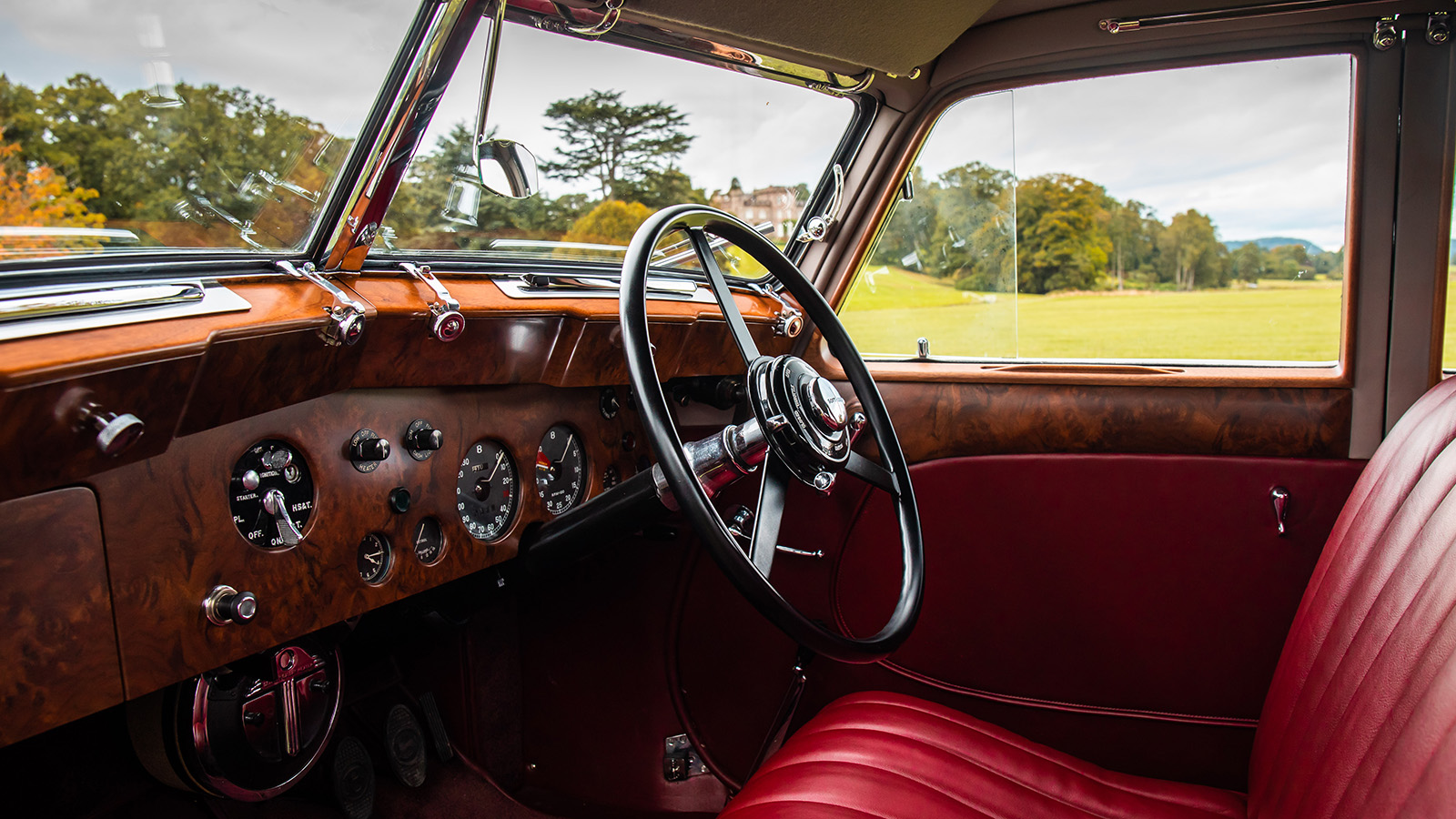
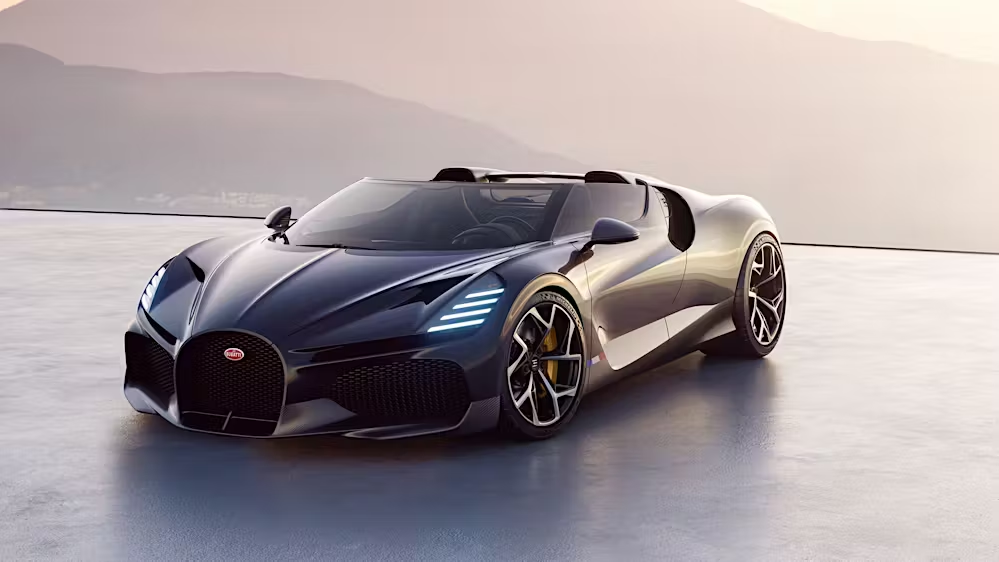
Photo: BOAT International
The Rise of Luxury Collectibles as Wealth Assets
In recent years, the ultra-wealthy have increasingly turned to luxury collectibles as a way to diversify wealth and express personal taste. Rare watches, classic cars, and fine art are no longer simply hobbies; they are investment vehicles that offer exclusivity, cultural capital, and long-term appreciation. Collectibles are now a defining component of modern wealth strategy, combining aesthetic appeal with financial potential.
Record-Breaking Investments in Watches
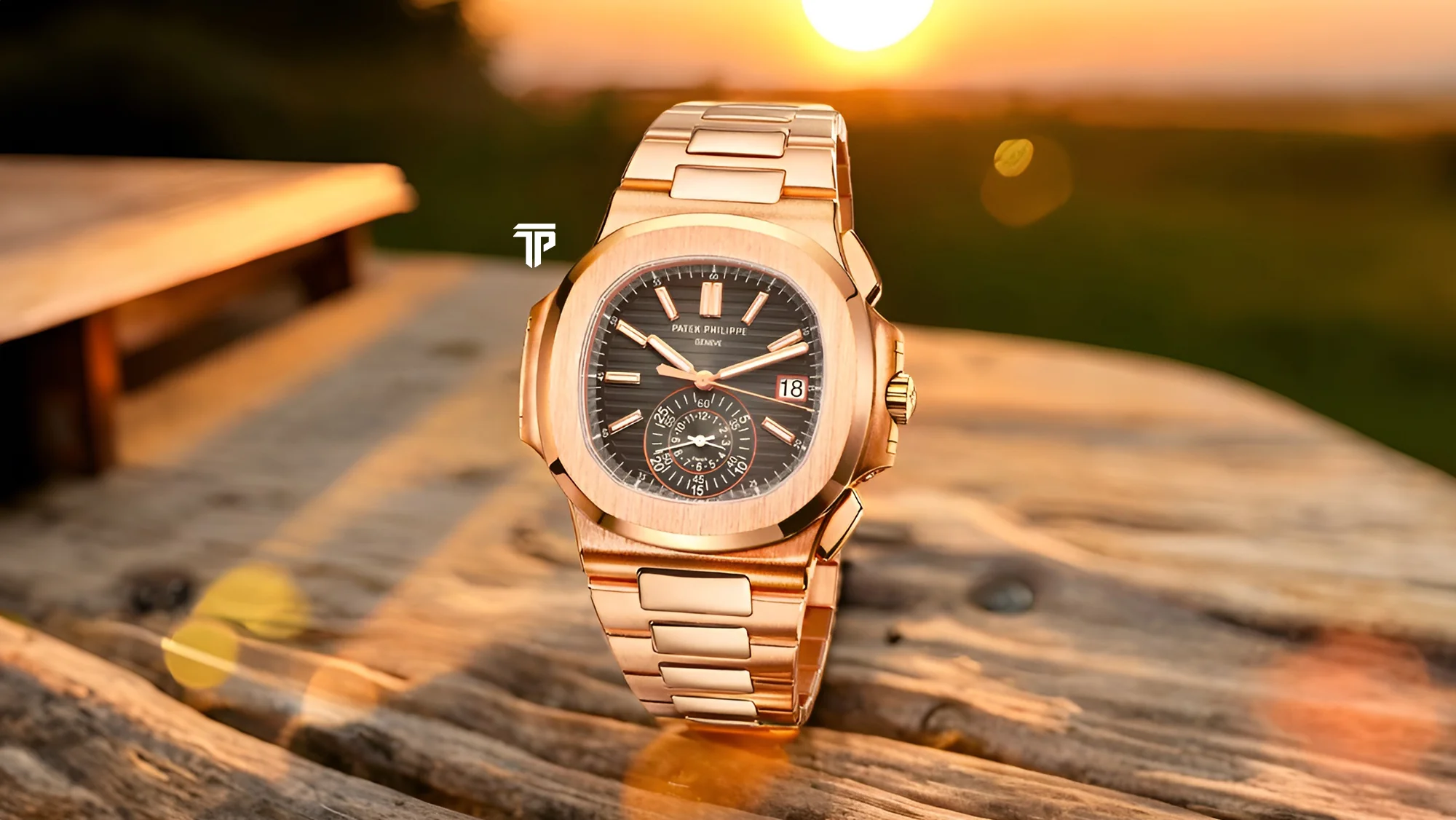
High-end timepieces from brands such as Patek Philippe, Audemars Piguet, and Rolex are commanding unprecedented auction prices. Limited editions and vintage pieces are especially sought after, providing both historical value and market scarcity. Wealthy collectors view these investments as a way to preserve capital while enjoying tangible symbols of craftsmanship, heritage, and status.
Classic Cars as Mobile Assets
The market for rare automobiles has surged as ultra-wealthy collectors seek vehicles with historical significance, low production numbers, and performance pedigree. Iconic models from Ferrari, Aston Martin, and Bugatti have set record prices at auctions worldwide. Beyond monetary value, these cars embody engineering excellence and cultural relevance, merging passion with tangible asset appreciation.
Fine Art Driving Prestige and Portfolio Diversification
Contemporary and historical art continues to attract billion-dollar investments from high-net-worth individuals. Masterpieces by renowned artists and emerging talents alike provide portfolio diversification while enhancing social prestige. Art serves not only as an investment but also as a medium for cultural influence, allowing collectors to shape trends and public perception.
The Economics of Exclusivity
Scarcity drives the luxury collectibles market. Limited editions, one-of-a-kind pieces, and carefully curated collections create intense demand among the global elite. Auctions and private sales provide a transparent platform for pricing, while market intelligence and expert advisors guide acquisitions. Collectibles combine tangible enjoyment with strategic financial planning, reflecting the dual priorities of passion and wealth preservation.
Global Collecting Communities
Elite investors often participate in international networks of collectors, attending exclusive auctions, private exhibitions, and invitation-only events. These communities foster collaboration, knowledge exchange, and opportunities for co-investment. They also cultivate social influence, positioning collectors as tastemakers and trendsetters within the world of luxury assets.
Digital Platforms and Market Innovation
Emerging technologies are transforming how luxury collectibles are bought, sold, and authenticated. Blockchain verification, online auctions, and virtual galleries enhance transparency, security, and accessibility. High-net-worth individuals leverage these tools to expand portfolios and monitor market trends, combining tradition with innovation in their investment strategies.
Cultural Influence Through Collecting
Luxury collectors often shape public taste and cultural discourse by curating notable collections, funding exhibitions, and supporting museums. Ownership of iconic works elevates a family or individual’s social prestige while simultaneously contributing to the preservation of cultural heritage. In this way, collecting is both a personal and societal investment.
Sustainability and Ethical Considerations
The luxury collectibles market increasingly emphasizes provenance, sustainability, and ethical sourcing. Collectors seek to verify the origins of artworks, cars, and watches to maintain integrity and long-term value. This focus on accountability enhances credibility and ensures that investments align with broader social and environmental responsibility.
The Future of Luxury Collectibles as Wealth Strategy
Experts predict continued growth in the collectibles market, driven by increasing global wealth, evolving tastes, and technological innovation. Rare assets will continue to serve as status symbols, cultural influence tools, and diversified investments. For the ultra-wealthy, collectibles represent a dynamic intersection of passion, prestige, and financial strategy that will define elite wealth for decades to come.

Subscribe to unlock premium content
Sed at tellus, pharetra lacus, aenean risus non nisl ultricies commodo diam aliquet arcu enim eu leo porttitor habitasse adipiscing porttitor varius ultricies facilisis viverra lacus neque.
A comprehensive guide on Agile development

10 Productivity tools that are worth checking out

Top 7 Must have management tools for productivity

A comprehensive guide on Agile development
10 Productivity tools that are worth checking out
A comprehensive guide on Agile development