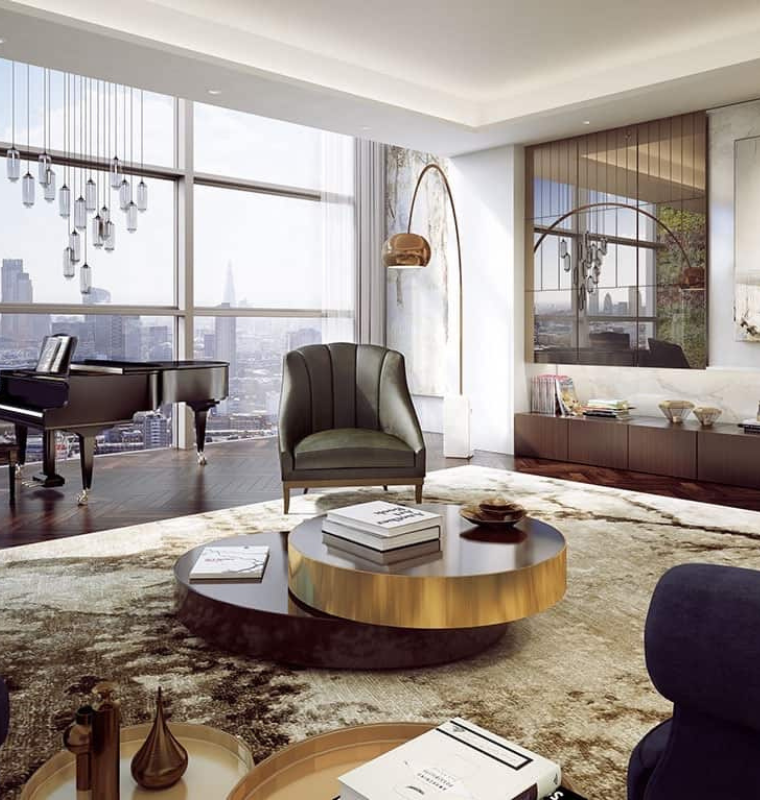

Global Luxury Spending Shows Discipline
By
John Carter
Last updated:
January 1, 2026
First Published:
January 1, 2026


Photo: Medium
A Noticeable Change in Luxury Behavior
Global luxury spending is entering a more disciplined phase as affluent consumers rethink how and why they spend. Rather than retreating from luxury altogether wealthy buyers are becoming more selective. This evolution reflects maturity in consumption rather than restraint driven by necessity.
From Impulse to Intention
Luxury purchases are no longer driven primarily by impulse or trend cycles. High net worth individuals now approach spending with intent and clarity. Each purchase is evaluated for relevance durability and long term satisfaction which marks a shift from accumulation to curation.
Longevity Becomes the New Standard
Products and experiences designed to last are gaining preference. Craftsmanship quality materials and timeless design now outweigh novelty. Buyers want items that age well both physically and aesthetically reinforcing a sense of permanence rather than seasonal relevance.
Experience Over Excess Ownership
Affluent consumers are allocating more spending toward meaningful experiences rather than large volumes of goods. Travel wellness education and private cultural access are viewed as investments in personal growth. These experiences deliver lasting emotional value beyond physical ownership.
Quiet Luxury Replaces Visibility
There is a clear move toward understated luxury. Logos and overt branding are losing prominence among discerning buyers. Discretion signals confidence and wealth holders increasingly prefer products that communicate refinement without drawing attention.
Economic Awareness Influences Choice
Global economic uncertainty has made even wealthy consumers more conscious of value. Spending decisions reflect awareness of broader conditions without signaling fear. This balance demonstrates financial intelligence and emotional discipline rather than extravagance.
Sustainability Shapes Purchasing Decisions
Longevity also aligns with sustainability goals. Affluent buyers increasingly favor brands that emphasize responsible sourcing ethical production and long life cycles. Sustainability is viewed not as a trend but as a marker of intelligent luxury.
Customization Gains Importance
Personalization is replacing mass exclusivity. Wealthy consumers value items tailored to their preferences rather than limited editions created for hype. Custom luxury reinforces individuality and deepens emotional connection to purchases.
Intergenerational Influence on Spending
Younger generations within affluent families are influencing spending norms. They emphasize purpose quality and responsibility. Their preferences shape family purchasing behavior and encourage brands to evolve accordingly.
Luxury as a Reflection of Identity
Modern luxury spending reflects identity rather than status. Purchases align with personal values lifestyle and long term vision. This mindset elevates luxury from consumption to self expression grounded in meaning.
Brands Adapt to a More Disciplined Market
Luxury brands are adjusting strategies to meet this shift. Focus is moving toward product integrity service excellence and relationship building. Growth is driven by trust and loyalty rather than volume.
A More Thoughtful Era of Affluence
The discipline seen in global luxury spending signals a broader evolution in wealth culture. Affluent consumers are redefining what it means to live well. Longevity value and intention now sit at the center of luxury marking a more thoughtful and enduring expression of wealth.



Subscribe to unlock premium content
Sed at tellus, pharetra lacus, aenean risus non nisl ultricies commodo diam aliquet arcu enim eu leo porttitor habitasse adipiscing porttitor varius ultricies facilisis viverra lacus neque.
A comprehensive guide on Agile development

10 Productivity tools that are worth checking out

Top 7 Must have management tools for productivity

A comprehensive guide on Agile development
10 Productivity tools that are worth checking out
A comprehensive guide on Agile development