
Global Ultra Luxury Property Market Expansion Signals New Era of Elite Real Estate Investment
By
John Carter
Last updated:
May 10, 2026
First Published:
May 10, 2026

.jpg)
Photo: Bloomberg News
Market Acceleration Overview
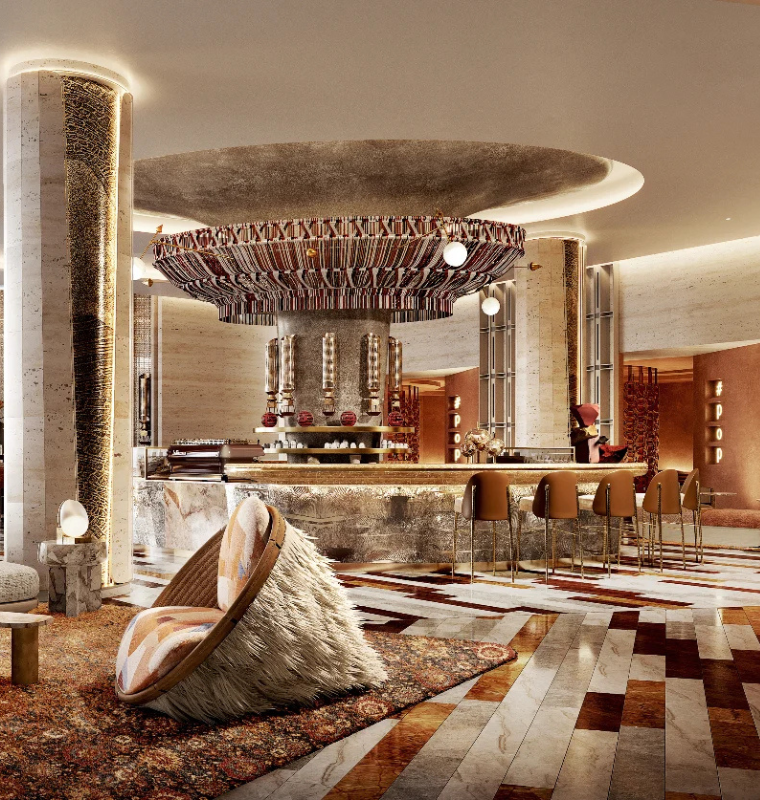
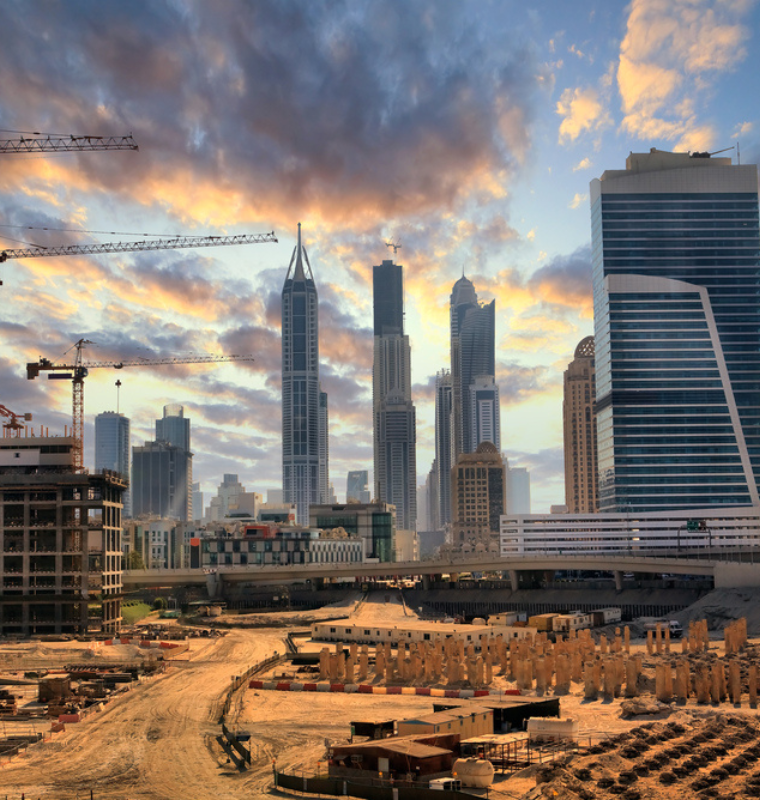
The ultra luxury property sector is experiencing a notable acceleration driven by increasing wealth concentration among global high net worth individuals and family offices. Demand is no longer limited to traditional financial hubs but is expanding rapidly into emerging luxury destinations. Buyers are prioritizing exclusivity, privacy, and long term asset stability over short term market fluctuations. This shift is redefining how premium real estate is developed and marketed across continents.
Family Office Expansion Strategy
Family offices are playing a central role in shaping luxury property investment trends by diversifying portfolios into tangible assets such as high end residential estates and branded residences. Many of these investment entities are seeking properties that offer both lifestyle value and capital preservation. The strategic approach now focuses on cross border holdings that balance risk while maximizing global influence and mobility.
European Luxury Hotspots Strengthening
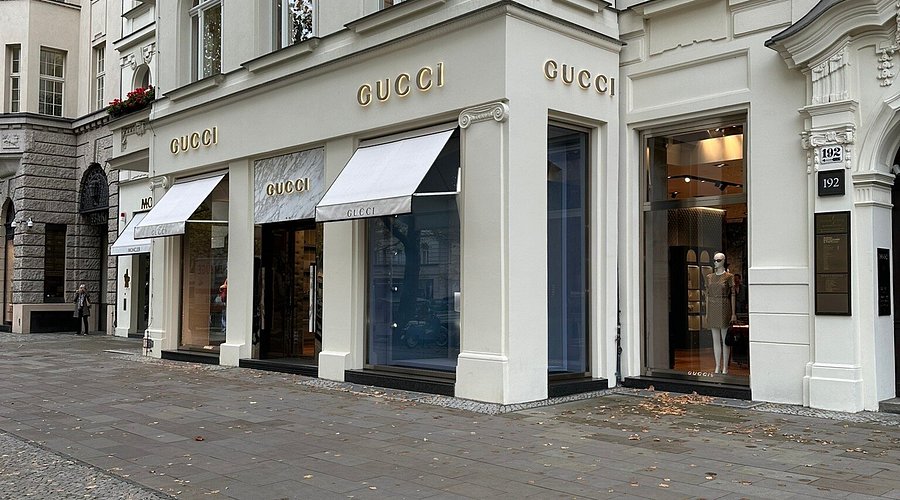
Europe continues to attract significant capital inflows into its ultra prime real estate markets. Cities with cultural heritage, political stability, and strong infrastructure are seeing increased interest from international buyers. Coastal estates, alpine retreats, and historic city residences are particularly sought after, as investors view them as both legacy assets and lifestyle assets.
Southeast Asia Rising Appeal
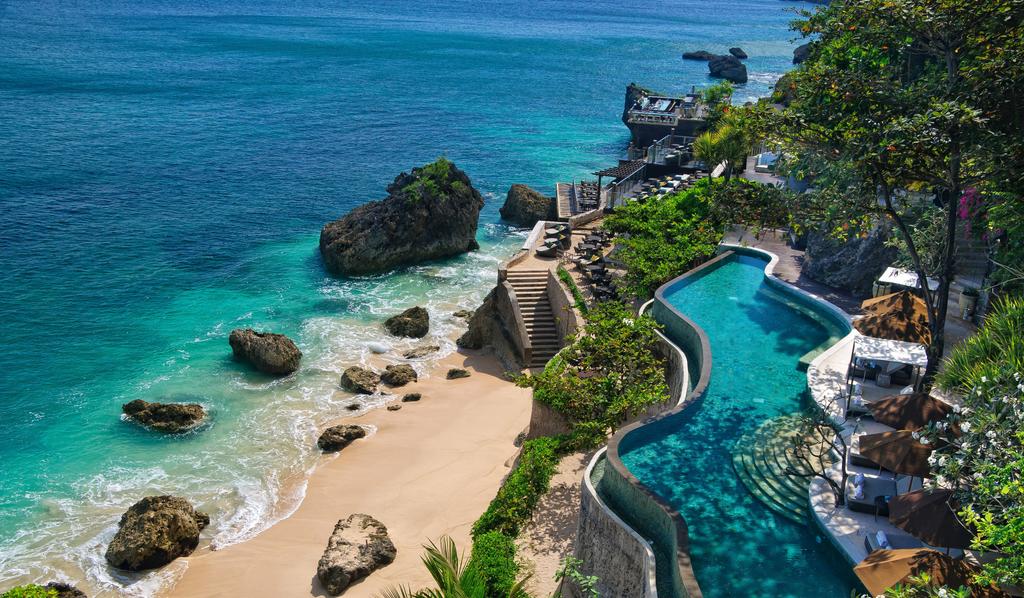
Southeast Asia is emerging as a powerful contender in the luxury property landscape due to its growing economic influence and expanding infrastructure projects. Wealthy individuals are investing in waterfront villas, private island developments, and branded luxury residences. The region offers a combination of tropical appeal and strategic investment opportunity that appeals to global elites.
Private Aviation and Mobility Influence
The rise in private aviation usage is directly influencing luxury property location decisions. High net worth individuals are prioritizing homes with access to private airports or heliports to support seamless global mobility. This trend is encouraging developers to integrate aviation friendly infrastructure into high end residential communities.
Architectural Personalization Trends
Luxury property buyers are increasingly demanding fully customized architectural designs that reflect personal identity and lifestyle preferences. Standard luxury is no longer sufficient, as ultra wealthy clients seek residences that incorporate wellness spaces, art galleries, smart automation, and sustainable materials. This personalization trend is driving innovation in architectural services and design firms.
Wealth Preservation Through Real Assets
In an uncertain global economic environment, real estate is being viewed as a critical wealth preservation tool. Ultra luxury properties are considered stable long term stores of value that are less vulnerable to volatility compared to other asset classes. This perception is encouraging continued capital allocation toward premium property markets.
Sustainability in Luxury Development
Sustainable design is becoming a defining factor in modern luxury developments. Developers are integrating energy efficient systems, eco friendly construction materials, and carbon reduction technologies. High net worth buyers are increasingly aware of environmental impact, making sustainability a key driver of purchasing decisions.
Global Migration of Wealthy Individuals
A noticeable migration of wealthy individuals is influencing regional property markets, with many relocating to jurisdictions offering favorable tax policies and lifestyle benefits. This movement is reshaping demand patterns in both established and emerging luxury destinations, leading to increased competition among cities to attract elite residents.
Future Outlook of Ultra Luxury Real Estate
The outlook for ultra luxury real estate remains strong as global wealth continues to expand and diversify. The market is expected to evolve further toward integrated lifestyle ecosystems that combine residential, leisure, and business environments. Developers who adapt to changing expectations of privacy, mobility, and sustainability will likely dominate future growth in this sector.

Subscribe to unlock premium content
Sed at tellus, pharetra lacus, aenean risus non nisl ultricies commodo diam aliquet arcu enim eu leo porttitor habitasse adipiscing porttitor varius ultricies facilisis viverra lacus neque.
A comprehensive guide on Agile development

10 Productivity tools that are worth checking out

Top 7 Must have management tools for productivity

A comprehensive guide on Agile development
10 Productivity tools that are worth checking out
A comprehensive guide on Agile development