
Heritage Brands Partner With Next Gen Heirs to Reposition Legacy Luxury for Gen Z Billionaires
By
John Carter
Last updated:
February 26, 2026
First Published:
April 25, 2026

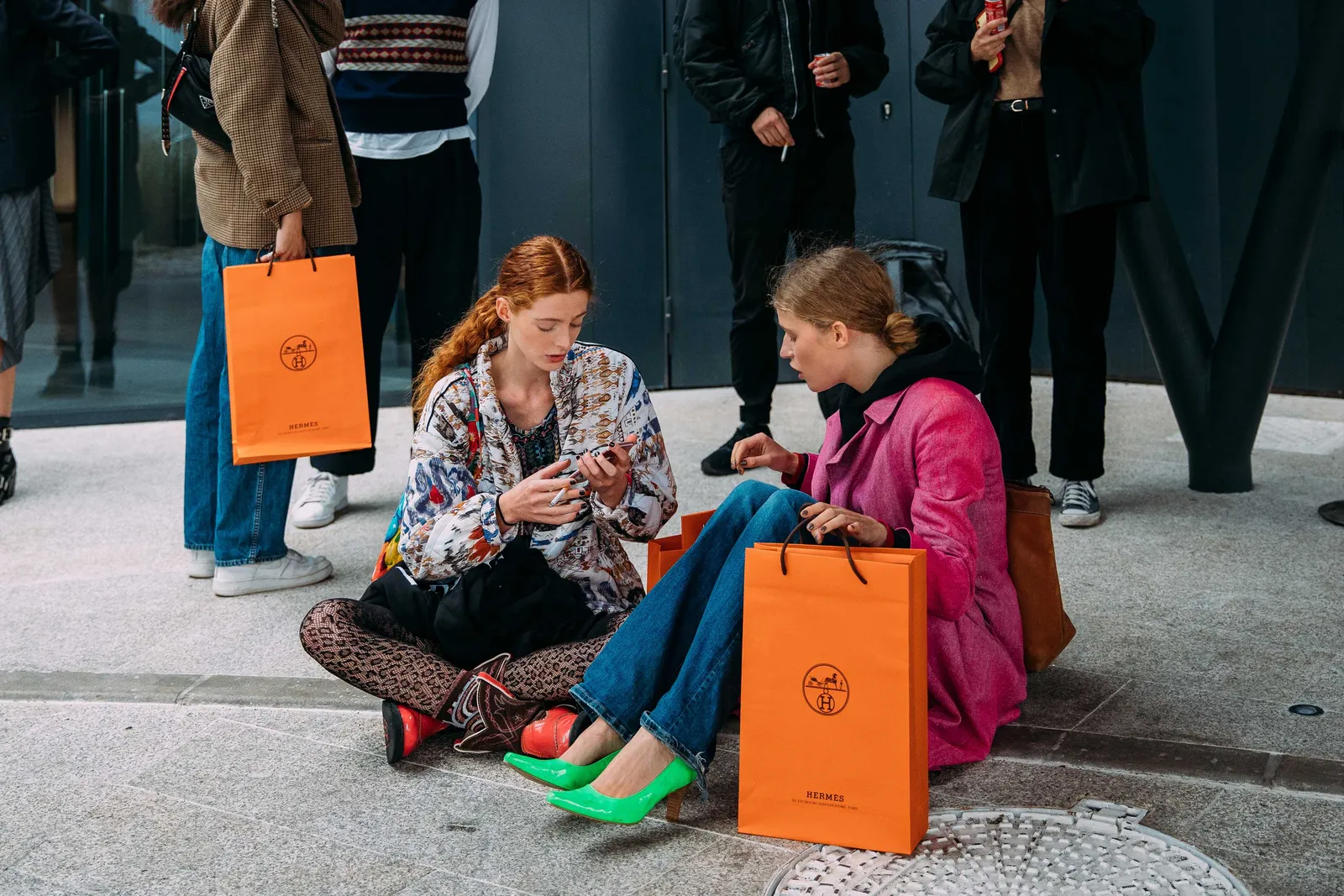
Photo: Vogue
Luxury at a Crossroads of Tradition and Innovation
Heritage brands have long thrived on craftsmanship, exclusivity, and historical prestige. Names like Hermès and Rolex carry centuries of cultural capital. Today, these brands face a generational shift. Next generation heirs of ultra wealthy families are not only inheriting capital but also reshaping how they interact with luxury. Brands that recognize and respond to these evolving expectations are positioning themselves to remain relevant for decades to come.
The Rise of Gen Z Billionaires
Younger billionaires, many of whom are digital natives, value experiences, digital engagement, and personal expression over traditional displays of wealth. For them, luxury is not just about owning rare items but curating a lifestyle that aligns with identity and influence. Heritage brands are increasingly collaborating with these heirs to understand preferences around sustainability, customization, and digital presence, creating offerings that resonate with this sophisticated cohort.
Strategic Partnerships with Heirs
Partnerships often take the form of advisory roles, limited edition collaborations, or even co investment in brand initiatives. These alliances provide heirs with influence over product design, marketing narratives, and experiential offerings. For brands, this strategy injects fresh perspectives and helps anticipate market trends without compromising historical identity. The result is a delicate balance of legacy preservation and innovative relevance.
Digital Integration and E Commerce Expansion
Gen Z billionaires are highly comfortable with digital platforms. Heritage brands, historically cautious in e commerce adoption, are now investing heavily in immersive online experiences, augmented reality showrooms, and personalized digital concierge services. These initiatives extend brand reach while maintaining the exclusivity and personalization that elite consumers expect. Integration of NFTs, digital collectibles, and metaverse experiences also provides innovative ways to engage this tech savvy demographic.
Customization and Personalization at Scale
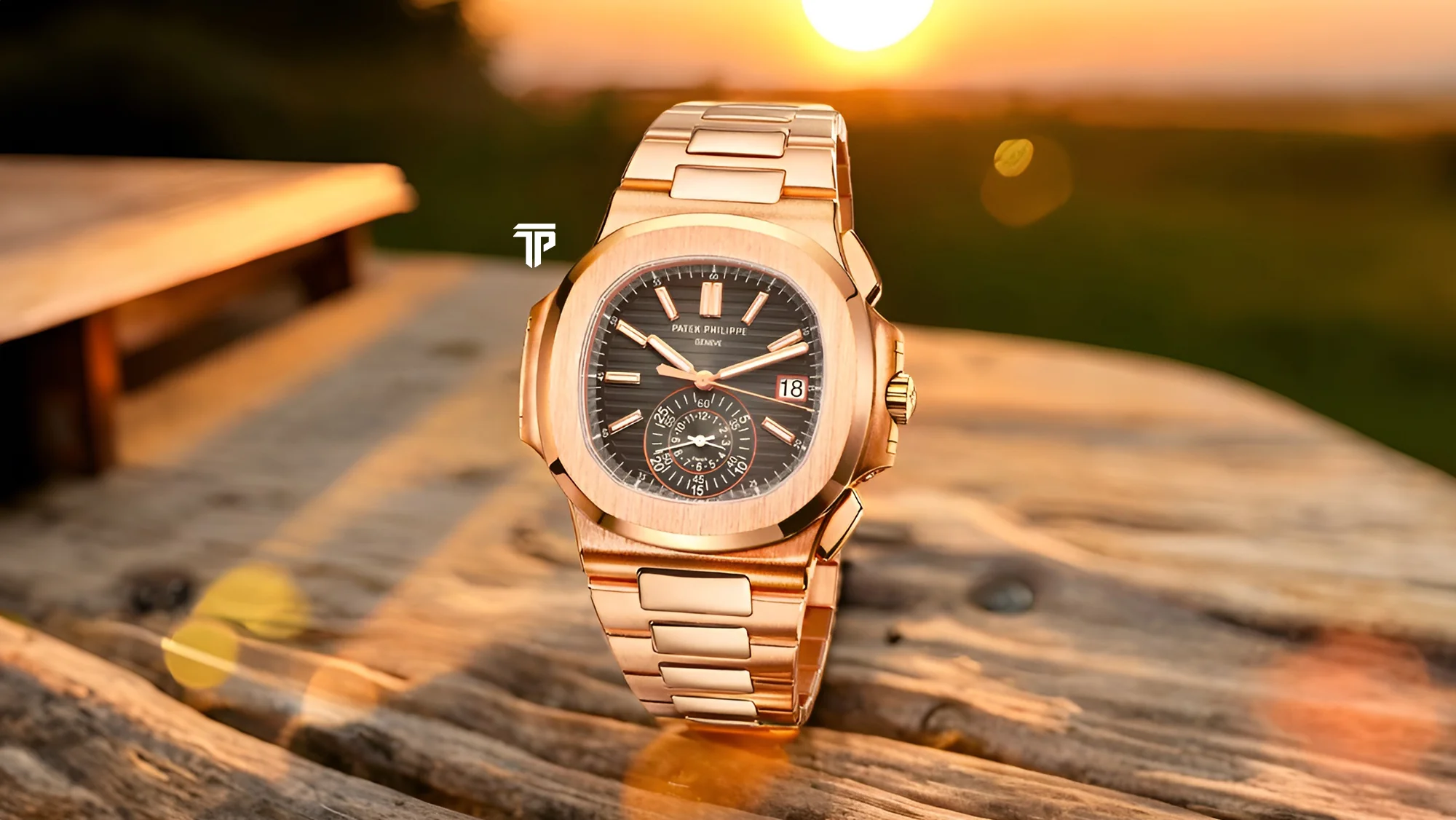
Next generation consumers seek bespoke solutions that reflect their individuality. Luxury houses are responding by offering hyper customized products, from tailored fashion pieces to limited edition timepieces, often co designed with heir partners. These offerings not only strengthen brand loyalty but also provide scarcity that preserves long term valuation. Personalization at scale has become a core strategy to attract and retain ultra affluent younger buyers.
Sustainability and Ethical Luxury
Environmental responsibility and ethical sourcing are increasingly non negotiable. Gen Z billionaires expect transparency in production processes and alignment with values. Heritage brands are incorporating sustainable materials, reducing carbon footprints, and supporting artisanal communities to meet these expectations. Collaborating with next generation heirs ensures that sustainability initiatives are both authentic and impactful, appealing to socially conscious luxury consumers.
Experiential Luxury as a Differentiator
Physical products are complemented by experiential offerings. Curated retreats, private art exhibitions, and immersive brand experiences create unique touchpoints for engagement. These experiences reinforce the emotional connection between brand and consumer, transforming purchases into lifestyle statements. For heritage brands, this represents a shift from product centric to experience centric business models that appeal to digitally native elites.
Global Market Positioning and Emerging Economies
Next generation billionaires are often globally mobile and connected. Brands are leveraging heir insight to navigate emerging luxury markets in Asia, the Middle East, and Latin America. Strategic positioning in these geographies allows brands to capture new wealth pools while preserving prestige in traditional Western markets. Sophisticated market analysis and cultural fluency are key to this global expansion.
Intergenerational Wealth Dynamics and Brand Longevity
Family wealth dynamics influence consumption patterns. Younger heirs often engage in co investment and co branding opportunities that redefine their relationship with luxury. By aligning brand strategy with the values and expectations of this generation, heritage brands secure both current revenue streams and long term relevance, ensuring legacy continuity across decades.
The Future of Heritage Luxury
The fusion of timeless craftsmanship, digital innovation, sustainability, and next generation insight defines the future of luxury. Heritage brands that embrace collaboration with Gen Z billionaires will not only preserve prestige but also cultivate new cultural relevance. This evolution underscores that luxury is no longer just about inheritance—it is about adapting to the lifestyle, values, and expectations of the world’s next wave of elite consumers.
Subscribe to unlock premium content
Sed at tellus, pharetra lacus, aenean risus non nisl ultricies commodo diam aliquet arcu enim eu leo porttitor habitasse adipiscing porttitor varius ultricies facilisis viverra lacus neque.
A comprehensive guide on Agile development

10 Productivity tools that are worth checking out
Top 7 Must have management tools for productivity

A comprehensive guide on Agile development
10 Productivity tools that are worth checking out
A comprehensive guide on Agile development