
Hermès Scarcity Reaches New Heights
By
Sophie Moore
Last updated:
May 5, 2026
First Published:
May 5, 2026

The Power of Waiting
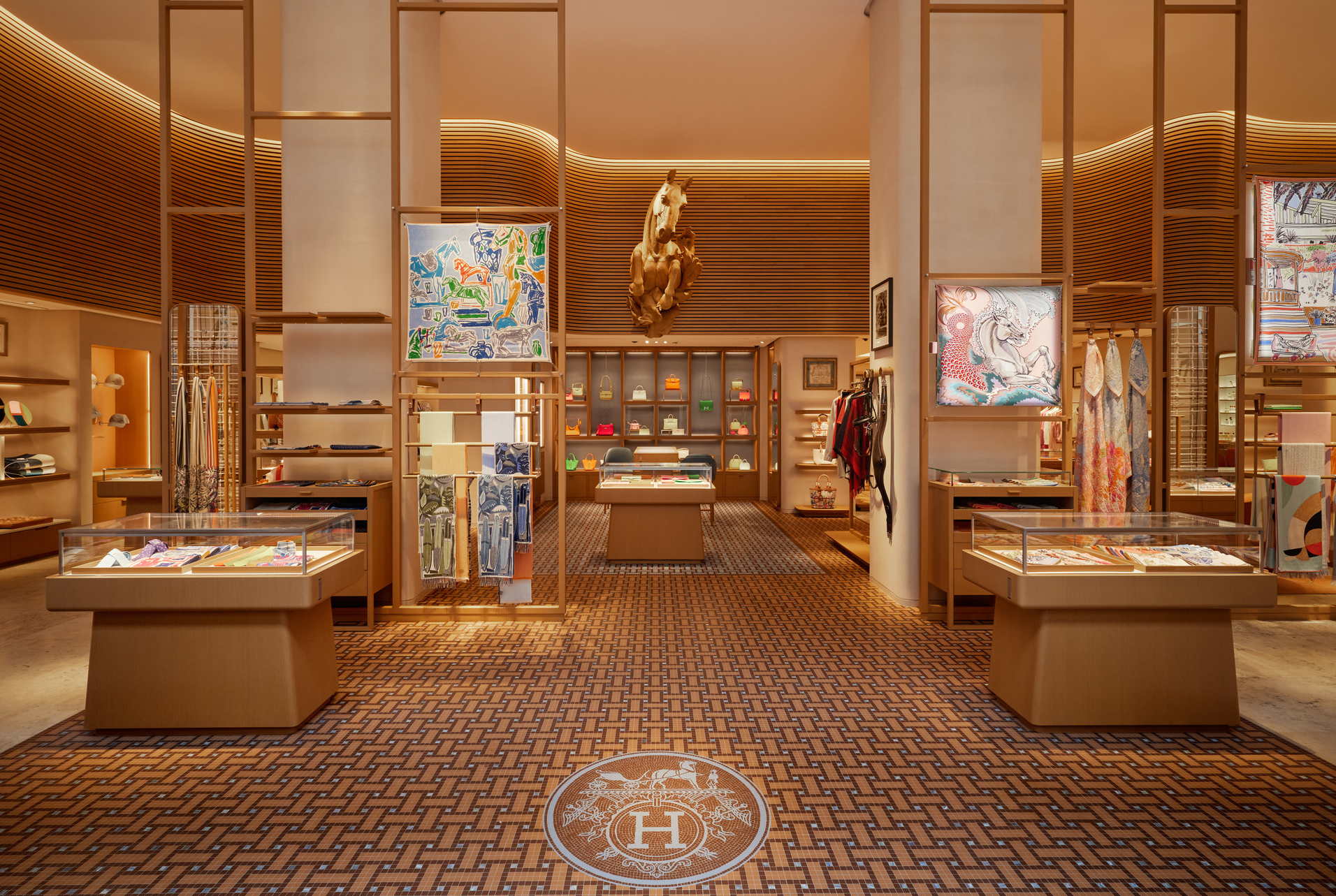
In the rarefied world of ultra luxury fashion, few names command the same reverence as Hermès. Yet in 2026, the maison is not defined solely by its craftsmanship or heritage. It is defined by time. Waiting lists for its most coveted pieces now stretch beyond three years, creating an environment where anticipation itself becomes part of the ownership experience.
This prolonged access barrier has fundamentally altered how these items are perceived. What was once a purchase has become a pursuit. Clients are no longer simply buying a product. They are entering a process that requires patience, relationship building, and a deep understanding of the brand’s internal culture.
Scarcity as Strategy
Hermès has mastered the art of controlled scarcity. Production remains deliberately limited, ensuring that supply never meets demand. This is not a constraint but a strategy, one that reinforces the exclusivity of each piece while maintaining the brand’s uncompromising standards.
The result is a market dynamic where rarity drives desirability to extraordinary levels. Owning a highly sought after item is not just about style. It is about access to something that most cannot obtain, even if they have the means.
From Fashion to Financial Asset
A notable shift has emerged as ultra rare Hermès pieces transition into the realm of investment assets. Collectors and investors alike are recognizing the long term value embedded in these items, particularly those crafted from exotic materials or produced in limited quantities.
Auction results and private sales have demonstrated consistent appreciation, with certain pieces achieving prices far beyond their original retail value. This performance has positioned Hermès within a unique intersection of fashion and finance, where aesthetic value aligns with economic return.
The Role of Craftsmanship
At the core of this phenomenon lies an unwavering commitment to craftsmanship. Each piece is meticulously constructed by skilled artisans, often requiring many hours of labor to complete. This dedication ensures that quality remains exceptional, reinforcing the perception of lasting value.
For buyers, this level of craftsmanship provides a sense of permanence. It assures them that their investment is not only rare but also built to endure, both physically and culturally.
Exotic Materials and Elevated Status
The use of rare and exotic materials has further amplified the desirability of certain collections. These materials are sourced with precision and handled with expertise, resulting in pieces that are as distinctive as they are luxurious.
Owning such an item carries a specific form of status. It signals not just wealth but a refined understanding of rarity and material excellence. This nuance is particularly valued within elite circles where subtlety often outweighs overt display.
The Importance of Relationships
Access to the most coveted Hermès pieces is rarely transactional. It is relational. Clients who cultivate long term relationships with boutiques and sales associates are more likely to be offered rare items, creating an ecosystem where loyalty and engagement are rewarded.
This dynamic adds another layer to the ownership experience. It transforms the act of acquiring a piece into an ongoing dialogue between client and brand, one that evolves over time.
Global Demand and Cultural Influence
Demand for Hermès continues to expand across global markets, driven by a growing population of ultra high net worth individuals. This international interest has elevated the brand’s cultural significance, making its pieces symbols of both personal achievement and global sophistication.
As new markets engage with the brand, the competition for access intensifies. This further reinforces the exclusivity that defines Hermès at the highest level.
Resale Markets and Price Appreciation
The secondary market has become a powerful indicator of Hermès’ investment potential. Limited pieces frequently appear in private sales and auctions, often commanding significant premiums. This activity has created a parallel ecosystem where collectors trade and evaluate items with the same rigor applied to traditional assets.
For many buyers, this resale performance validates their decision to invest in Hermès. It demonstrates that these pieces hold value not just emotionally but financially.
A Shift in Luxury Perception
The transformation of Hermès pieces into investment grade assets reflects a broader shift in how luxury is perceived. Consumers at the highest level are increasingly focused on value retention and long term significance rather than immediate gratification.
This perspective aligns with a more strategic approach to consumption, where purchases are evaluated through both aesthetic and financial lenses.
Conclusion: The New Currency of Elegance
Hermès’ extended waiting lists and rising market value illustrate a powerful evolution within the luxury sector. By maintaining strict control over production and prioritizing craftsmanship, the brand has created a model where scarcity and quality converge to generate enduring demand.
In this environment, owning a rare Hermès piece is no longer just a matter of style. It is a statement of patience, discernment, and strategic investment. It represents a form of elegance that extends beyond appearance into the realm of lasting value.

Subscribe to unlock premium content
Sed at tellus, pharetra lacus, aenean risus non nisl ultricies commodo diam aliquet arcu enim eu leo porttitor habitasse adipiscing porttitor varius ultricies facilisis viverra lacus neque.
A comprehensive guide on Agile development

10 Productivity tools that are worth checking out
Top 7 Must have management tools for productivity

A comprehensive guide on Agile development
10 Productivity tools that are worth checking out
A comprehensive guide on Agile development