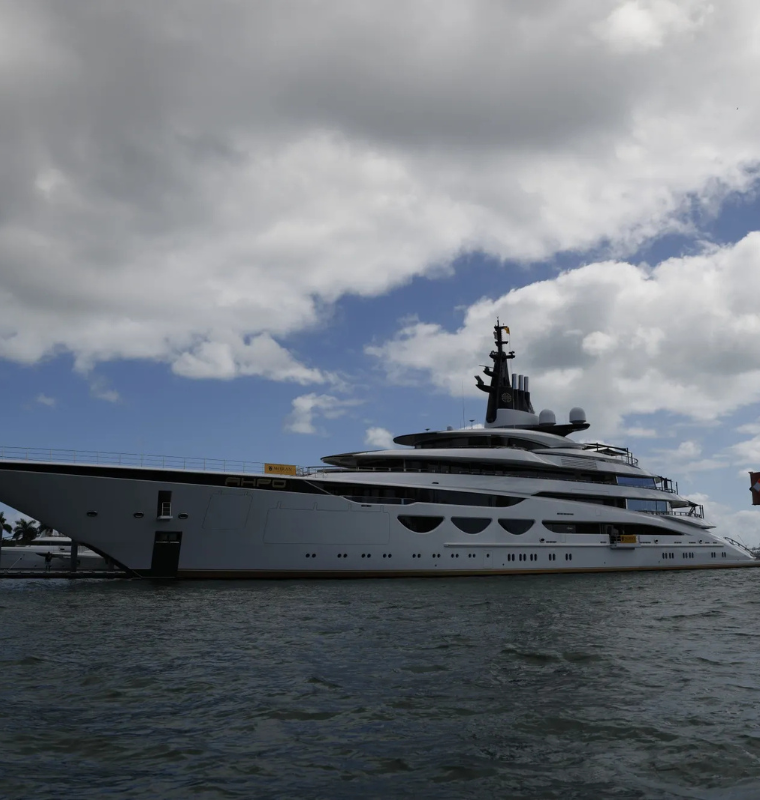

High Net Worth Investors Diversify Into Rare Art and Collectibles
By
John Carter
Last updated:
March 24, 2026
First Published:
March 24, 2026


Photo: Newswire
In recent years, high net worth individuals have been shifting their investment strategies beyond traditional financial instruments. Stocks, bonds, and real estate remain important, yet there is a growing fascination with rare art and collectibles as both a store of value and a means of personal expression. These tangible assets offer a unique combination of aesthetic pleasure, historical significance, and financial potential, making them increasingly attractive to those looking to diversify portfolios while enhancing lifestyle prestige.
The Rise of Art as an Investment Class
Art has historically been valued for its cultural and emotional significance, but it has now firmly established itself as a serious investment class. Paintings, sculptures, and limited edition works are being acquired not just for their beauty but for their potential long term appreciation. Record breaking auction results and private sales have highlighted the financial viability of high end art, demonstrating that it can be both a passion and a strategic asset.
Collectibles Offer Tangible Security
Beyond art, collectibles such as vintage cars, rare watches, wine, and historical manuscripts are seeing surges in demand. These items provide a tangible form of wealth that is insulated from certain market volatilities. Investors are drawn to the physicality and uniqueness of these assets. Unlike stocks or digital assets, collectibles can be enjoyed, displayed, and passed down as heirlooms, combining financial and emotional value.
Scarcity Drives Value
One of the primary reasons collectibles have become attractive is their scarcity. Limited editions, rare finds, and one of a kind pieces create natural demand. As wealthy collectors compete for these items, their market value rises. This scarcity is further amplified by global access to private sales, auctions, and specialized dealers, making the hunt for exclusive pieces both challenging and rewarding.
The Role of Expert Advisors
High net worth investors often rely on advisors, curators, and art consultants to navigate this complex market. Expertise is crucial in evaluating authenticity, provenance, and long term value. Knowledgeable guidance ensures that acquisitions are not only aesthetically pleasing but also strategically sound, protecting against forgery, overvaluation, or poor liquidity.
Cross Cultural Appeal of Collectibles
Rare art and collectibles also offer global cultural significance. Buyers are increasingly acquiring works from diverse regions, blending traditional European masterpieces with contemporary art from Asia, Africa, and Latin America. This broadens both the aesthetic appeal and investment potential, allowing portfolios to reflect global trends while tapping into emerging markets with growth potential.
Auction Houses Drive Market Transparency
Major auction houses play a pivotal role in shaping trends in collectibles. They provide publicized sales, verified provenance, and competitive bidding, which together create a transparent marketplace. High profile auctions often spark renewed interest in specific artists or collectible categories, influencing both market value and investor behavior.
Long Term Wealth Preservation
For the ultra wealthy, rare art and collectibles offer more than short term gains. They serve as tools for long term wealth preservation, often outperforming traditional asset classes over decades. These investments also offer potential tax advantages and opportunities for strategic estate planning, further enhancing their appeal as multi dimensional assets.
Lifestyle Integration and Social Status
Acquiring rare pieces is as much about lifestyle and status as financial gain. Displaying collections in private estates, hosting exclusive exhibitions, or lending pieces to museums not only elevates personal prestige but also signals taste, sophistication, and cultural influence. This integration of wealth with lifestyle reinforces the unique appeal of collectibles.
The Future of Alternative Wealth Investments
As global wealth continues to concentrate, the trend toward rare art and collectibles is expected to intensify. Investors will increasingly seek assets that combine financial security, cultural value, and personal enjoyment. Technology may also play a role, with digital cataloging, virtual exhibitions, and blockchain based provenance tracking enhancing both accessibility and confidence in this growing market.
Art and Collectibles as a Reflection of Wealth Evolution
Ultimately, the shift toward rare art and collectibles represents a broader evolution in wealth strategy. For high net worth individuals, wealth is no longer measured purely by financial returns. It is also about personal expression, cultural legacy, and the ability to shape experiences that transcend monetary value. This trend is redefining how the wealthy perceive both investment and lifestyle.



Subscribe to unlock premium content
Sed at tellus, pharetra lacus, aenean risus non nisl ultricies commodo diam aliquet arcu enim eu leo porttitor habitasse adipiscing porttitor varius ultricies facilisis viverra lacus neque.
A comprehensive guide on Agile development

10 Productivity tools that are worth checking out

Top 7 Must have management tools for productivity

A comprehensive guide on Agile development
10 Productivity tools that are worth checking out
A comprehensive guide on Agile development