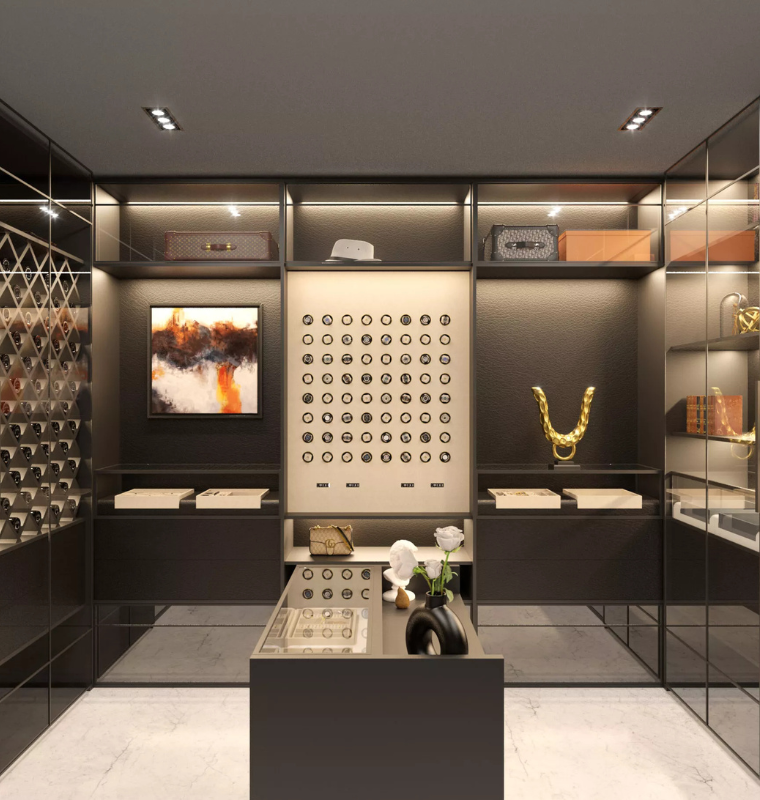

Invitation Only Art Syndicates Allow Ultra Wealthy Members to Commission Museum Scale Masterpieces Before Artists Go Public
By
Maya K.
Last updated:
April 20, 2026
First Published:
April 20, 2026


Photo: CNN
A New Gatekeeping Model in Contemporary Art
Invitation only art syndicates are emerging as one of the most exclusive structures in the modern luxury ecosystem. These private networks operate outside traditional galleries and auction houses, granting select members direct access to artists before their work reaches public visibility. The result is a parallel art economy where discovery, ownership, and influence happen behind closed doors.
Early Access to Artistic Genius
Within these syndicates, members are introduced to emerging artists at the earliest stages of their careers. Instead of waiting for gallery representation or institutional validation, collectors engage with creators while their styles are still evolving. This early access allows members to commission works that may define the artist’s future reputation.
Museum Scale Commissions as Private Statements
One of the defining features of these syndicates is the commissioning of museum scale artworks for private residences. These are not decorative pieces but monumental installations that rival institutional exhibitions in scale and ambition. Collectors often dedicate entire wings or structures of their estates to house a single work.
The Role of Curated Artistic Discovery
Syndicates employ curators, historians, and cultural advisors who identify talent across global art scenes. Their role is to filter emerging voices and present only the most promising artists to members. This curated approach ensures that collectors are consistently exposed to work that has both cultural depth and long term significance.
Art as a Pre Market Investment Layer
By engaging with artists before they enter the public market, collectors participate in a pre market layer of art investment. Works acquired at this stage often gain significant value once the artist achieves global recognition. However, the primary motivation for many members is not financial return but exclusivity and cultural influence.
Private Studios and Controlled Creative Freedom
Artists within these syndicates are often given access to private studios funded by members. These spaces allow creators to work without commercial pressure or institutional constraints. In return, they may produce exclusive pieces or long term commissions that remain within the collector network.
The Transformation of Collector Influence
In this model, collectors are no longer passive buyers. They become active participants in shaping artistic direction. Through sustained patronage and dialogue, they influence the scale, theme, and conceptual development of works while still preserving artistic autonomy.
Cultural Capital and Social Exclusivity
Membership in these syndicates is highly restricted and often based on invitation only criteria. Beyond financial capacity, selection is influenced by cultural engagement, existing collections, and perceived contribution to the arts. This creates a closed ecosystem where cultural capital is as important as wealth.
The Globalization of Private Art Networks
These syndicates operate across multiple regions, connecting artists and collectors from different cultural backgrounds. This global structure allows for cross cultural artistic collaborations that might not occur within traditional institutional frameworks. It also expands the influence of private collectors on global art trends.
Ethical Questions Around Artistic Visibility
The exclusivity of these networks raises important questions about access and fairness in the art world. Critics argue that early stage confinement of artistic work to private collectors may limit public cultural exposure. Supporters counter that such patronage enables artists to pursue ambitious projects without commercial compromise.
Long Term Legacy Building Through Art Ownership
For many members, these commissions are not just acquisitions but legacy projects. Museum scale works often become defining elements of private estates and family histories. They are designed to endure across generations, embedding the collector’s identity within the cultural record.
The Future of Private Art Ecosystems
As these syndicates continue to expand, they are likely to reshape how artistic careers develop. The boundary between private patronage and public recognition will become increasingly fluid. This model suggests a future where the earliest stages of artistic innovation are shaped within exclusive networks before entering the global stage.
Invitation only art syndicates represent a significant shift in the structure of contemporary art. By enabling ultra wealthy members to commission monumental works before public exposure, they redefine how art is created, owned, and experienced. This system blends exclusivity, patronage, and cultural influence into a new form of artistic ecosystem.



Subscribe to unlock premium content
Sed at tellus, pharetra lacus, aenean risus non nisl ultricies commodo diam aliquet arcu enim eu leo porttitor habitasse adipiscing porttitor varius ultricies facilisis viverra lacus neque.
A comprehensive guide on Agile development

10 Productivity tools that are worth checking out

Top 7 Must have management tools for productivity

A comprehensive guide on Agile development
10 Productivity tools that are worth checking out
A comprehensive guide on Agile development