
Legacy Fashion Houses Attract Strategic Stakes From Tech Founders Seeking Cultural Capital
By
John Carter
Last updated:
February 20, 2026
First Published:
February 20, 2026

Heritage Brands Meet Modern Investors
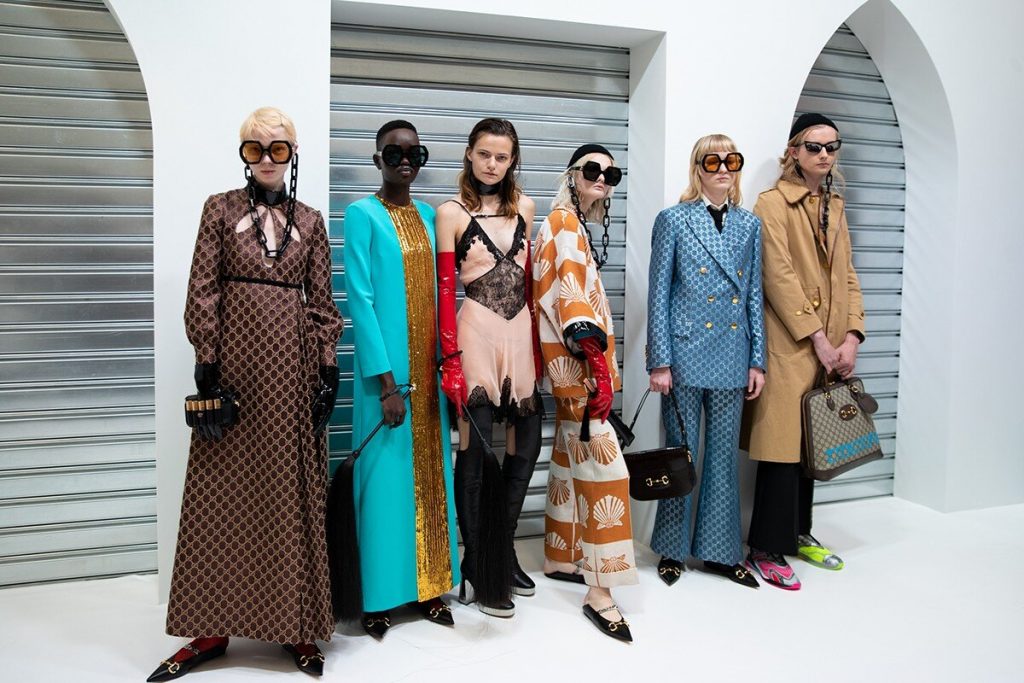
Luxury fashion has long been a symbol of cultural status, craftsmanship, and legacy. Today, an emerging trend sees ultra wealthy tech founders acquiring strategic stakes in legacy fashion houses. From historic ateliers in Milan to couture houses in Paris, these investments are less about immediate financial returns and more about cultural positioning, brand alignment, and influence within elite networks.
The Motivation Behind Strategic Stakes
Tech founders view these stakes as a form of cultural capital. Ownership in a renowned fashion house signals sophistication, aesthetic sensibility, and access to high society. Unlike traditional venture investments, which emphasize scalability and liquidity, these engagements enhance personal and corporate prestige while offering opportunities to shape brand narratives in the digital era.
Preserving Brand Heritage While Innovating
Legacy fashion houses value the capital infusion and expertise that modern investors provide. Tech founders often bring digital marketing acumen, data driven customer insights, and global platform reach. Collaboration allows brands to modernize operations, expand into new markets, and integrate technology while preserving the craftsmanship, heritage, and exclusivity that define their identity.
Case Studies in Global Cities
In London and New York City, tech founders have partnered with established brands to sponsor limited collections, launch experiential retail concepts, and drive digital initiatives. These collaborations not only enhance visibility but also create novel revenue streams that align with evolving consumer behavior while maintaining the brand’s aspirational positioning.
Impact on Shareholder Dynamics
The entry of tech founders often reshapes boardroom dynamics. With minority but strategic holdings, investors can influence innovation strategy, digital transformation, and brand collaborations. Their participation signals confidence in long term brand equity, attracting additional institutional and private capital while reinforcing the exclusivity of the ownership circle.
Cultural Significance Beyond Finance
Ownership of a heritage brand extends beyond economic interest. Fashion houses often serve as venues for high profile cultural events, philanthropic initiatives, and elite gatherings. Strategic investors gain privileged access to these networks, enhancing their social footprint and creating new pathways for influence across sectors ranging from art to media.
Synergy Between Digital Innovation and Craftsmanship
Tech investors facilitate integration of advanced technologies into traditional operations. This includes digital supply chain management, customer relationship systems, and immersive retail experiences. By marrying digital sophistication with artisanal excellence, fashion houses can appeal to younger, global audiences without compromising their historic prestige.
The Globalization of Luxury Influence
Strategic investments are increasingly cross border. Asian, Middle Eastern, and North American tech founders are participating in European fashion ownership. This global flow of capital diversifies the stakeholder base and enhances the international reach of brands, allowing them to resonate with a broader high net worth clientele.
Challenges and Considerations
While the infusion of tech capital offers many advantages, it also requires careful navigation. Maintaining the authenticity, exclusivity, and identity of the brand is essential. Excessive commercialization risks alienating traditional clientele. Successful partnerships balance innovation with respect for legacy.
The Future of Fashion as Wealth Infrastructure
Luxury fashion is not merely a consumable asset or status symbol. It is increasingly a strategic vehicle for cultural influence, network building, and long term prestige. As tech founders continue to acquire stakes in heritage brands, the intersection of capital, culture, and craftsmanship will define the next era of elite wealth.



Subscribe to unlock premium content
Sed at tellus, pharetra lacus, aenean risus non nisl ultricies commodo diam aliquet arcu enim eu leo porttitor habitasse adipiscing porttitor varius ultricies facilisis viverra lacus neque.
A comprehensive guide on Agile development

10 Productivity tools that are worth checking out

Top 7 Must have management tools for productivity

A comprehensive guide on Agile development
10 Productivity tools that are worth checking out
A comprehensive guide on Agile development