
Luxury Brands Race to Capture Gen Z Wealth as Young Entrepreneurs Build Fortunes Faster Than Ever
By
Maya K.
Last updated:
June 2, 2026
First Published:
June 2, 2026

Getty Images
The Rise of a New Wealth Generation
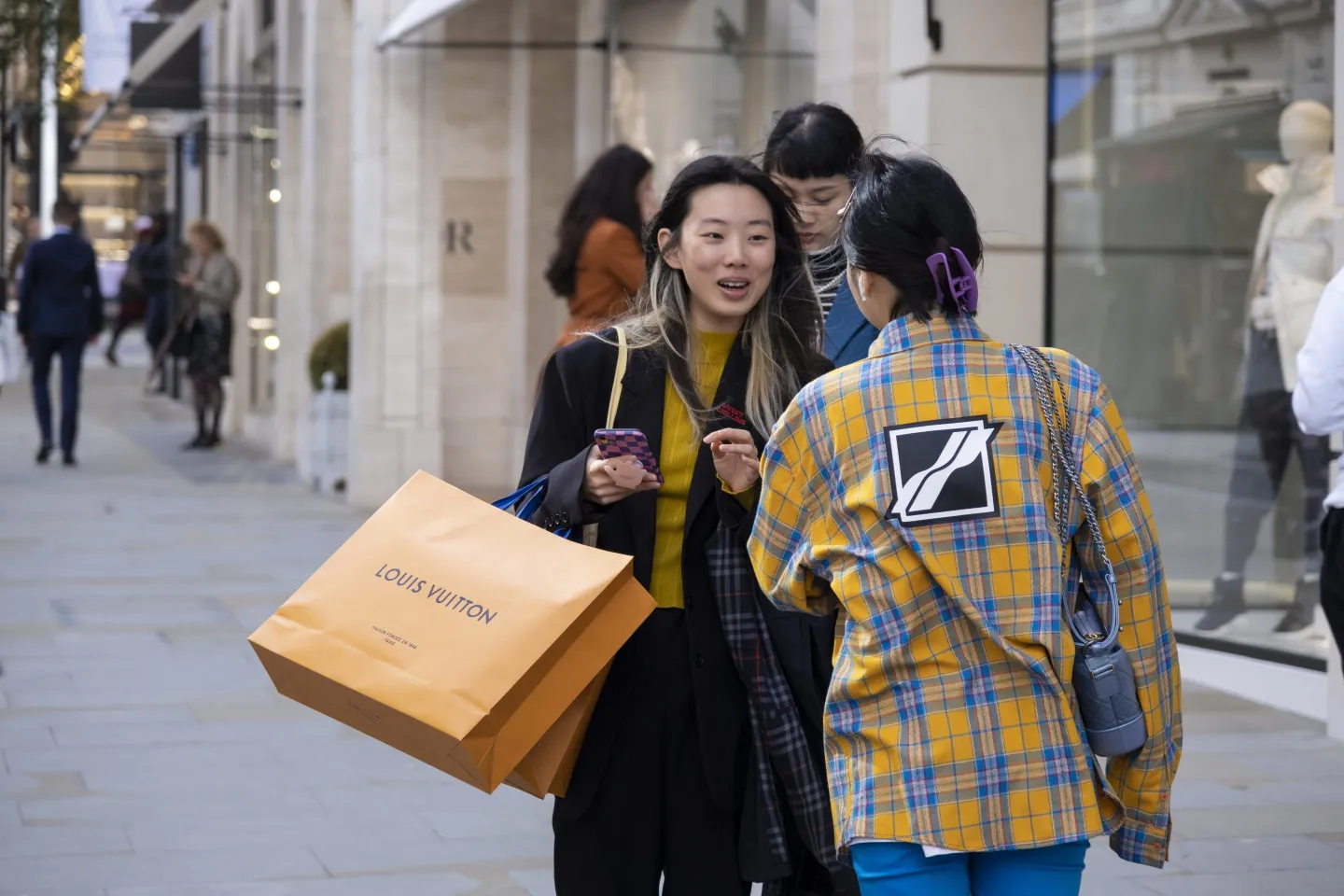
The luxury market is entering one of the most significant transitions in its history. For decades, premium brands focused primarily on established business leaders, inherited wealth holders, and affluent consumers from older generations. Today, a new demographic is rapidly reshaping the industry. Generation Z entrepreneurs are building wealth at unprecedented speeds, creating a powerful consumer group that luxury companies can no longer ignore.
Unlike previous generations, many young entrepreneurs have accumulated substantial wealth through digital businesses, technology startups, content creation, ecommerce ventures, and innovative investment opportunities. Their success has emerged in a highly connected world where opportunities can scale globally within a short period of time. As their financial influence grows, luxury brands are adapting their products, marketing strategies, and customer experiences to attract these younger wealthy consumers.
Wealth Creation Has Accelerated Dramatically
One of the defining characteristics of Generation Z wealth creation is speed. Previous generations often spent decades building businesses, climbing corporate ladders, or gradually expanding investment portfolios. Today's young entrepreneurs can achieve remarkable financial success within just a few years.
Digital platforms have lowered barriers to entry across countless industries. A successful online business can reach customers around the world without requiring massive infrastructure investments. Social media platforms have created entirely new career paths where individuals can monetize expertise, creativity, and personal brands.
This accelerated wealth creation process has produced a growing population of affluent young consumers who possess significant purchasing power at much earlier stages of life.
Luxury Means Something Different to Gen Z
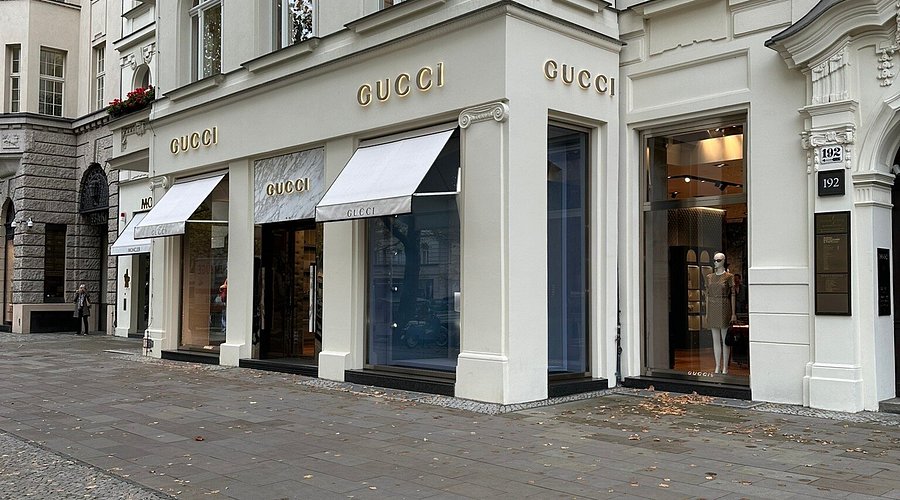
Luxury brands have discovered that younger wealthy consumers often define luxury differently than previous generations. Traditional symbols of status remain relevant, but many Gen Z buyers place equal importance on authenticity, individuality, and meaningful experiences.
Rather than purchasing products solely for social recognition, many young entrepreneurs seek items that align with their personal values and identities. They want products that tell stories, reflect craftsmanship, and demonstrate innovation.
As a result, luxury companies are increasingly focused on creating deeper emotional connections with consumers rather than relying exclusively on heritage and exclusivity.
Digital First Consumers Are Changing Marketing Strategies
Generation Z grew up in a digital environment where information, entertainment, and commerce are instantly accessible. Their purchasing decisions are heavily influenced by online experiences, social media engagement, and digital communities.
Luxury brands that once depended primarily on traditional advertising and prestigious retail locations are now investing heavily in digital content creation. Interactive campaigns, creator partnerships, virtual experiences, and online storytelling have become essential components of modern luxury marketing.
The brands that successfully connect with young affluent consumers are often those that understand how to communicate effectively within digital ecosystems.
Entrepreneurship Has Become a Status Symbol
For many members of Generation Z, entrepreneurship itself has become a powerful symbol of achievement. Building a successful company, launching a popular brand, or creating innovative products often generates more admiration than traditional career milestones.
This cultural shift has influenced luxury purchasing behavior. Young entrepreneurs frequently seek products and experiences that reflect ambition, creativity, and personal accomplishment. Luxury is increasingly associated with freedom, flexibility, and self expression rather than simply displaying financial wealth.
Brands that understand this mindset are positioning themselves as partners in personal success rather than merely sellers of premium products.
Exclusive Experiences Are Gaining Popularity
While luxury goods remain important, experiences are becoming an increasingly valuable part of the luxury equation. Wealthy Gen Z consumers often prioritize memorable experiences that provide personal enrichment and unique opportunities.
Private travel experiences, exclusive networking events, personalized wellness programs, and invitation only gatherings are attracting strong interest from this demographic. Many young entrepreneurs view experiences as investments in personal growth and relationship building.
Luxury companies are responding by expanding beyond products and creating immersive experiences that strengthen customer loyalty.
Sustainability Matters More Than Ever
Environmental awareness plays a major role in the purchasing decisions of many younger affluent consumers. Generation Z has grown up during a period of increasing focus on sustainability, responsible business practices, and environmental protection.
Luxury brands are facing growing expectations to demonstrate transparency throughout their supply chains and manufacturing processes. Consumers want to understand where products come from, how they are produced, and what impact they have on the world.
Companies that successfully combine luxury with sustainability are positioning themselves to attract long term loyalty from the next generation of wealthy buyers.
Social Influence Drives Consumer Behavior
The digital world has created new forms of influence that shape luxury purchasing decisions. Online communities, industry leaders, creators, and entrepreneurs all contribute to how luxury products are perceived.
Young affluent consumers frequently discover new brands through social platforms rather than traditional media channels. They value recommendations from trusted voices and often conduct extensive research before making purchasing decisions.
This environment has encouraged luxury companies to engage more directly with consumers and participate actively in online conversations.
Global Opportunities Are Expanding
Generation Z entrepreneurs often operate businesses that serve international markets from the very beginning. Their global perspective influences their purchasing habits and expectations.
Luxury brands are responding by creating experiences that resonate across multiple cultures while maintaining strong local relevance. International accessibility, digital convenience, and personalized service have become increasingly important competitive advantages.
The ability to serve affluent consumers regardless of geographic location is becoming a key factor in long term success.
The Future of Luxury Belongs to Adaptable Brands
The rise of wealthy Generation Z entrepreneurs represents more than a demographic shift. It signals a broader transformation in how luxury is defined, marketed, and consumed. Brands that remain attached solely to traditional approaches risk losing relevance among one of the fastest growing affluent consumer groups.
Companies that embrace innovation, authenticity, sustainability, and digital engagement are likely to thrive in this evolving environment. Young entrepreneurs are bringing new expectations, new values, and new opportunities to the luxury market.
As more members of Generation Z continue building successful businesses and accumulating wealth, their influence will only expand. The luxury industry is entering a new era where understanding the ambitions and preferences of young wealth creators may determine which brands lead the market in the years ahead.

Subscribe to unlock premium content
Sed at tellus, pharetra lacus, aenean risus non nisl ultricies commodo diam aliquet arcu enim eu leo porttitor habitasse adipiscing porttitor varius ultricies facilisis viverra lacus neque.
A comprehensive guide on Agile development

10 Productivity tools that are worth checking out
Top 7 Must have management tools for productivity

A comprehensive guide on Agile development
10 Productivity tools that are worth checking out
A comprehensive guide on Agile development