

Luxury Brands Test Invitation Only Micro Drops Linked to Biometric Identity of Elite Clients
By
John Carter
Last updated:
April 7, 2026
First Published:
April 25, 2026


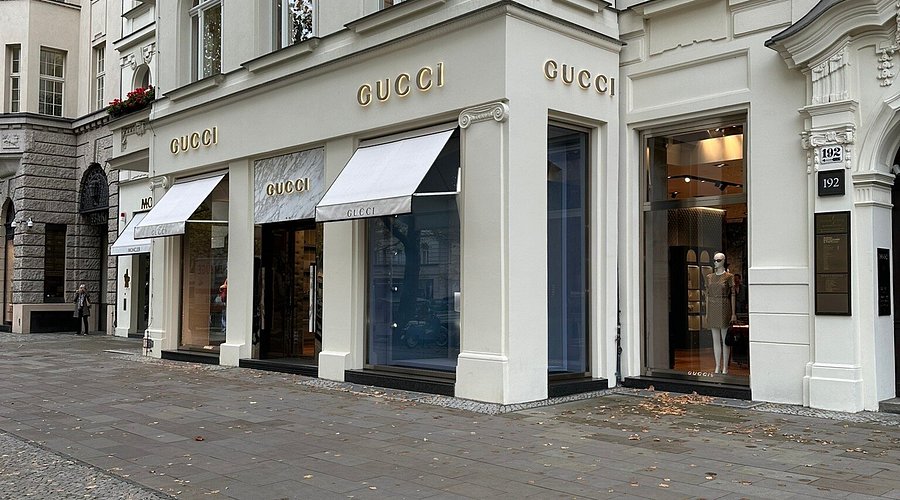
Photo: Azura
A New Definition of Exclusivity in the Luxury Market
Luxury has always thrived on scarcity, but a new layer of exclusivity is now emerging that goes far beyond limited production runs. Leading brands are experimenting with invitation only micro drops that are directly tied to the biometric identity of their most elite clients. This shift represents a move away from traditional access models and into a world where ownership itself is authenticated and controlled at a deeply personal level. In this environment, luxury is no longer just about what you can buy, but whether you are recognized as someone who is allowed to buy it.
What Are Biometric Linked Micro Drops
Micro drops are extremely limited product releases, often consisting of only a handful of items made available to a tightly curated audience. What makes this new wave different is the integration of biometric identity systems such as facial recognition, fingerprint mapping, or even behavioral signatures. Access to the product is granted only after identity verification, ensuring that the item is not just exclusive, but also permanently tied to a specific individual. This creates a closed ownership loop that redefines the relationship between brand and client.
From Invitation Lists to Identity Verification
Traditionally, luxury brands relied on invitation lists, private events, or personal relationships to grant access to exclusive products. While these methods are still in use, biometric integration introduces a new level of precision and control. Invitations are now layered with identity authentication, ensuring that even if access credentials are shared, the product cannot be acquired without the verified presence of the intended client. This approach minimizes leakage into secondary markets and reinforces the integrity of exclusivity.
Combating the Resale and Counterfeit Economy
One of the primary drivers behind this innovation is the growing challenge posed by resale and counterfeit markets. High demand luxury items often appear on secondary platforms within hours of release, sometimes at significantly inflated prices. By linking products to biometric identities, brands can restrict transferability or at least track ownership changes with unprecedented accuracy. This discourages speculative buying and preserves the original intent of the release, which is to reward loyal and high value clients.
A Personalized Ownership Experience
Biometric linked micro drops also enable a more personalized ownership experience. Products can be digitally registered to their owner at the moment of acquisition, creating a unique identity profile for each item. This can include customization options, usage data, and even future access privileges tied to ownership history. For clients, this transforms a purchase into a long term relationship with the brand, where each item becomes part of a broader personal ecosystem.
Technology as a Gatekeeper of Prestige
The integration of biometric systems positions technology as the new gatekeeper of luxury. Access is no longer mediated solely by human relationships or brand discretion, but by systems that can verify identity instantly and with high accuracy. This creates a more controlled and scalable model of exclusivity, allowing brands to maintain their aura while operating in a digitally connected world. At the same time, it introduces a level of transparency and accountability that was previously difficult to achieve.
Client Reactions and Cultural Shifts
Among elite clients, reactions to this trend are mixed but increasingly positive. Many appreciate the added layer of security and the assurance that their purchases remain within a trusted circle. Others see it as an extension of their personal identity, where ownership becomes a form of self expression that cannot be easily replicated. However, there are also concerns about privacy and the long term implications of biometric data usage, prompting brands to invest heavily in secure and ethical data management practices.
The Role of Data in Shaping Future Releases
With biometric systems in place, brands gain access to highly detailed insights about their clients. This data can inform future product development, release strategies, and client engagement models. Patterns of behavior, preferences, and interaction can be analyzed to create even more targeted and desirable offerings. Over time, this feedback loop allows brands to refine their approach to exclusivity, making each release more aligned with the expectations of their most valuable clients.
Expanding Beyond Fashion and Accessories
While the trend is most visible in fashion and accessories, its influence is beginning to extend into other sectors of luxury. High end automotive, bespoke travel experiences, and even private real estate offerings are exploring similar models of identity linked access. This suggests that biometric exclusivity could become a standard feature across multiple categories, reshaping how luxury is experienced in a wide range of contexts.
Ethical and Practical Considerations
The adoption of biometric systems raises important ethical and practical questions. Issues related to data security, consent, and potential misuse must be carefully addressed. Brands are under pressure to ensure that their systems are not only effective but also respectful of client privacy. Regulatory frameworks are still evolving, and companies that move too quickly without proper safeguards risk damaging the trust that is central to their identity.
The Future of Ownership in the Luxury Economy
As biometric linked micro drops gain traction, they point toward a future where ownership is deeply intertwined with identity. Products are no longer just objects, but extensions of the individual who owns them. This creates a new paradigm in which luxury is defined not only by rarity and craftsmanship, but by the uniqueness of the owner themselves. It is a shift that challenges traditional notions of value and introduces a more intimate connection between people and the الأشياء they possess.
A Market Redefined by Precision and Control
Ultimately, this trend reflects a broader transformation within the luxury market. Brands are seeking greater control over how their products are distributed, owned, and experienced. Clients, in turn, are embracing systems that offer deeper personalization and security. The result is a more precise and tightly managed ecosystem, where exclusivity is engineered at every level. In this evolving landscape, the intersection of identity and access is becoming the new frontier of luxury.



Subscribe to unlock premium content
Sed at tellus, pharetra lacus, aenean risus non nisl ultricies commodo diam aliquet arcu enim eu leo porttitor habitasse adipiscing porttitor varius ultricies facilisis viverra lacus neque.
A comprehensive guide on Agile development

10 Productivity tools that are worth checking out

Top 7 Must have management tools for productivity

A comprehensive guide on Agile development
10 Productivity tools that are worth checking out
A comprehensive guide on Agile development