
Luxury Handbag Market Faces New Challenge as Affluent Consumers Turn to Vintage and Resale Collections
By
Sophie Moore
Last updated:
June 17, 2026
First Published:
June 17, 2026

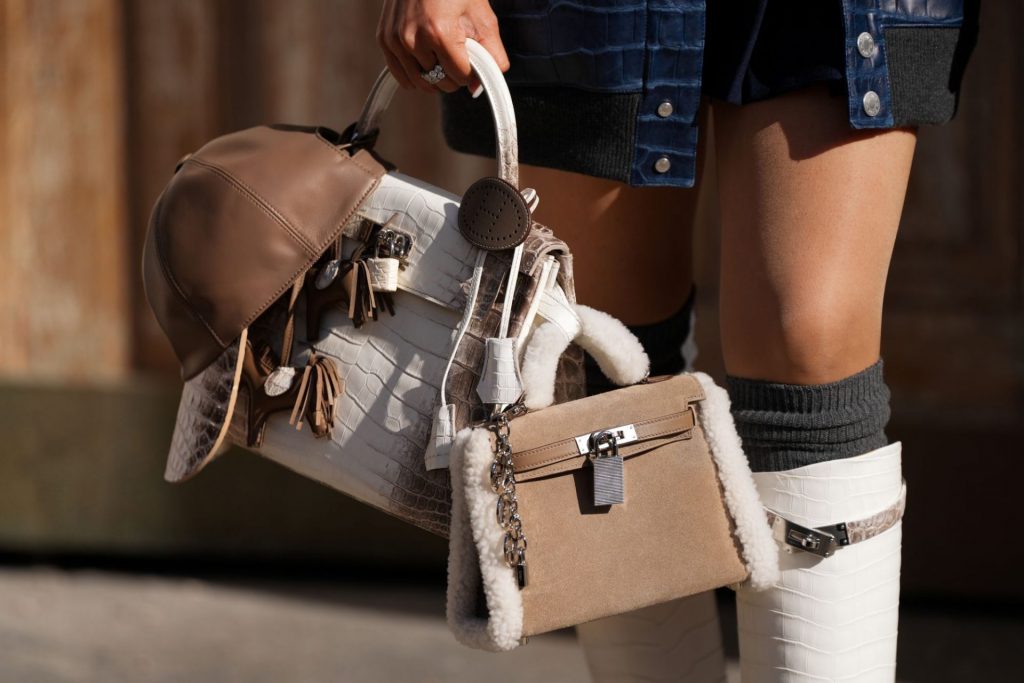
Photo: Luxury Lifestyle Awards
For decades, the luxury handbag market was driven by the constant release of new collections, seasonal designs, and exclusive launches. Premium fashion houses enjoyed strong demand from affluent consumers who eagerly purchased the latest creations as symbols of status, craftsmanship, and personal style. However, a significant transformation is taking place in 2026 as wealthy buyers increasingly embrace vintage handbags and high end resale collections.
This change is creating new opportunities while simultaneously presenting challenges for traditional luxury brands. Instead of focusing exclusively on newly released products, many consumers are seeking rare, discontinued, and historically significant pieces that offer uniqueness and long term value.
The trend reflects broader changes in luxury consumption and highlights the growing importance of authenticity, sustainability, and investment minded purchasing behavior.
Why Vintage Luxury Is Experiencing a Revival
The appeal of vintage luxury handbags extends far beyond nostalgia. Many affluent consumers view these pieces as representations of exceptional craftsmanship from previous eras. Certain designs are admired for their timeless elegance and attention to detail, qualities that continue to resonate with collectors today.
Vintage handbags often possess a level of exclusivity that cannot be easily replicated through contemporary production. Limited availability increases their desirability among buyers who want items that stand apart from current market offerings.
As consumers become more selective about their purchases, vintage collections provide an opportunity to acquire pieces with history, character, and cultural significance.
Scarcity Has Become a Powerful Driver
One of the strongest forces behind the growth of the resale market is scarcity. Luxury consumers have always valued exclusivity, but rare vintage pieces elevate that concept even further.
Unlike newly released handbags that may be available in multiple boutiques worldwide, vintage designs often exist in very limited numbers. Some models are no longer produced, making them increasingly difficult to obtain.
This rarity creates excitement among collectors and investors. The challenge of finding a specific piece often becomes part of the appeal, transforming ownership into a meaningful achievement rather than a routine purchase.
Wealthy Buyers Are Thinking Like Collectors
A growing number of affluent consumers are approaching luxury handbags with a collector mindset. Rather than purchasing solely for fashion purposes, they are carefully evaluating historical significance, rarity, craftsmanship, and future market demand.
This approach mirrors behaviors commonly seen in luxury watch collecting, fine art acquisition, and classic automobile investing. Buyers increasingly view certain handbags as assets capable of retaining or potentially increasing value over time.
As a result, purchasing decisions are becoming more strategic, contributing to rising demand for highly sought after vintage models.
Sustainability Is Influencing Luxury Purchasing Decisions
Environmental awareness has become an important consideration across many consumer categories, including luxury fashion. Even affluent buyers are paying closer attention to sustainability and responsible consumption.
The resale market aligns naturally with these priorities. Purchasing pre owned luxury goods extends product lifecycles and reduces the demand for additional manufacturing resources.
Many consumers appreciate the opportunity to enjoy premium craftsmanship while participating in a more circular economic model. This combination of luxury and sustainability has become particularly attractive among younger generations of wealthy buyers.
Digital Platforms Are Expanding Access
The growth of online luxury resale platforms has played a major role in accelerating the vintage handbag trend. Buyers can now access global inventories from the comfort of their homes, exploring collections that were once available only through specialized dealers.
Advanced authentication processes have increased confidence within the resale market. Consumers are becoming more comfortable purchasing high value items because professional verification services help reduce concerns regarding authenticity.
This improved accessibility has introduced a wider audience to vintage luxury collecting and significantly expanded market participation.
Younger Luxury Consumers Are Driving Change
Millennials and Generation Z consumers are becoming increasingly influential within the luxury sector. These buyers often approach ownership differently from previous generations.
Many prioritize individuality and personal expression over traditional status symbols. They are attracted to unique items with compelling stories and distinctive characteristics rather than products that are widely available.
Vintage handbags satisfy these preferences by offering exclusivity and authenticity. The ability to own a rare piece of fashion history appeals strongly to younger affluent consumers seeking meaningful purchases.
Luxury Brands Are Adapting to New Realities
The growing popularity of resale markets has encouraged luxury brands to reconsider their strategies. Some companies are exploring ways to participate more directly in authenticated resale programs, while others are emphasizing craftsmanship and heritage in their marketing efforts.
Brands recognize that vintage demand can actually reinforce the desirability of their products. Strong resale values often strengthen consumer confidence and contribute to long term brand prestige.
Rather than viewing the resale market solely as competition, many luxury houses are beginning to see it as an extension of their overall ecosystem.
Investment Potential Continues to Attract Attention
Certain luxury handbags have demonstrated remarkable performance within secondary markets. Highly sought after designs can command significant premiums due to limited availability and strong collector demand.
This investment potential has attracted attention from affluent individuals who enjoy combining personal passion with financial strategy. While fashion should never be viewed as a guaranteed investment, some buyers appreciate the possibility that a carefully selected piece may retain substantial value.
The perception of handbags as collectible assets has contributed significantly to the continued growth of the resale sector.
The Future of Luxury Handbag Ownership
The distinction between new and pre owned luxury goods is becoming less important to many consumers. Instead, buyers are focusing on quality, rarity, craftsmanship, and personal meaning.
As a result, vintage and resale collections are likely to remain important components of the luxury market for years to come. Their appeal extends beyond temporary trends and reflects deeper shifts in consumer behavior.
Affluent shoppers are demonstrating that luxury ownership is no longer defined solely by purchasing the newest product. Increasingly, it is about finding exceptional pieces that align with personal values and individual tastes.
A New Era for Luxury Fashion
The rise of vintage and resale handbags marks a significant moment in the evolution of luxury fashion. Wealthy consumers are embracing a more thoughtful approach to collecting, one that values history, exclusivity, and sustainability alongside prestige.
For luxury brands, this trend presents both challenges and opportunities. Traditional business models must adapt to a marketplace where consumers have more options and increasingly sophisticated expectations.
Yet the continued enthusiasm for vintage collections also highlights an enduring truth. Exceptional craftsmanship never loses its appeal. Whether newly created or decades old, luxury products that embody quality, artistry, and rarity will always attract discerning buyers.
As the luxury handbag market continues to evolve, vintage and resale collections are proving that true value often extends far beyond the moment of purchase. They represent a lasting connection between fashion, heritage, and wealth in an increasingly dynamic luxury landscape.

Subscribe to unlock premium content
Sed at tellus, pharetra lacus, aenean risus non nisl ultricies commodo diam aliquet arcu enim eu leo porttitor habitasse adipiscing porttitor varius ultricies facilisis viverra lacus neque.
A comprehensive guide on Agile development

10 Productivity tools that are worth checking out

Top 7 Must have management tools for productivity

A comprehensive guide on Agile development
10 Productivity tools that are worth checking out
A comprehensive guide on Agile development