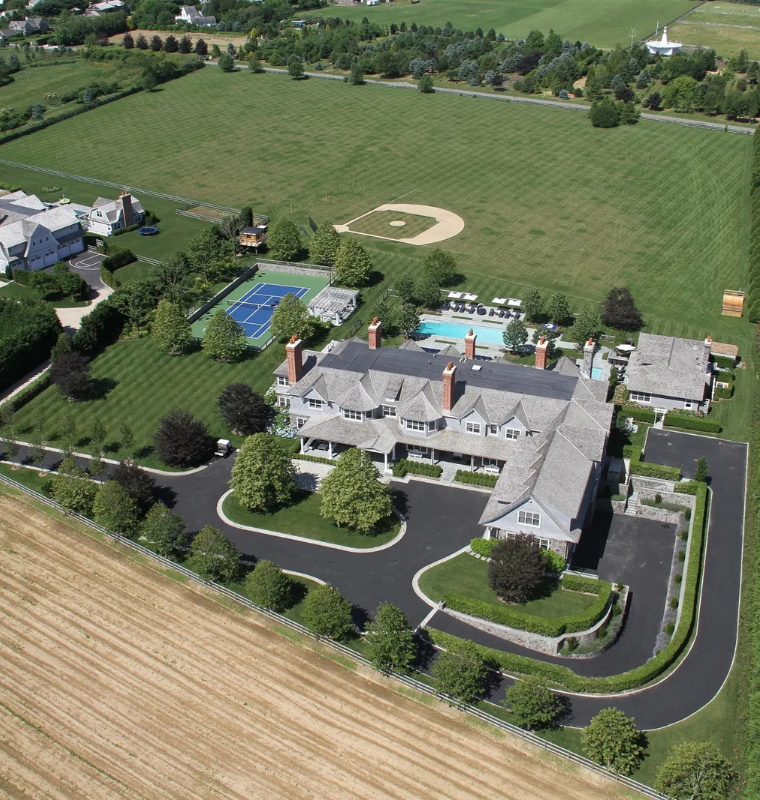

Luxury Home Security Becomes a Status Symbol as Billionaires Invest Millions in High Tech Protection Systems
By
Sophie Moore
Last updated:
June 8, 2026
First Published:
June 8, 2026

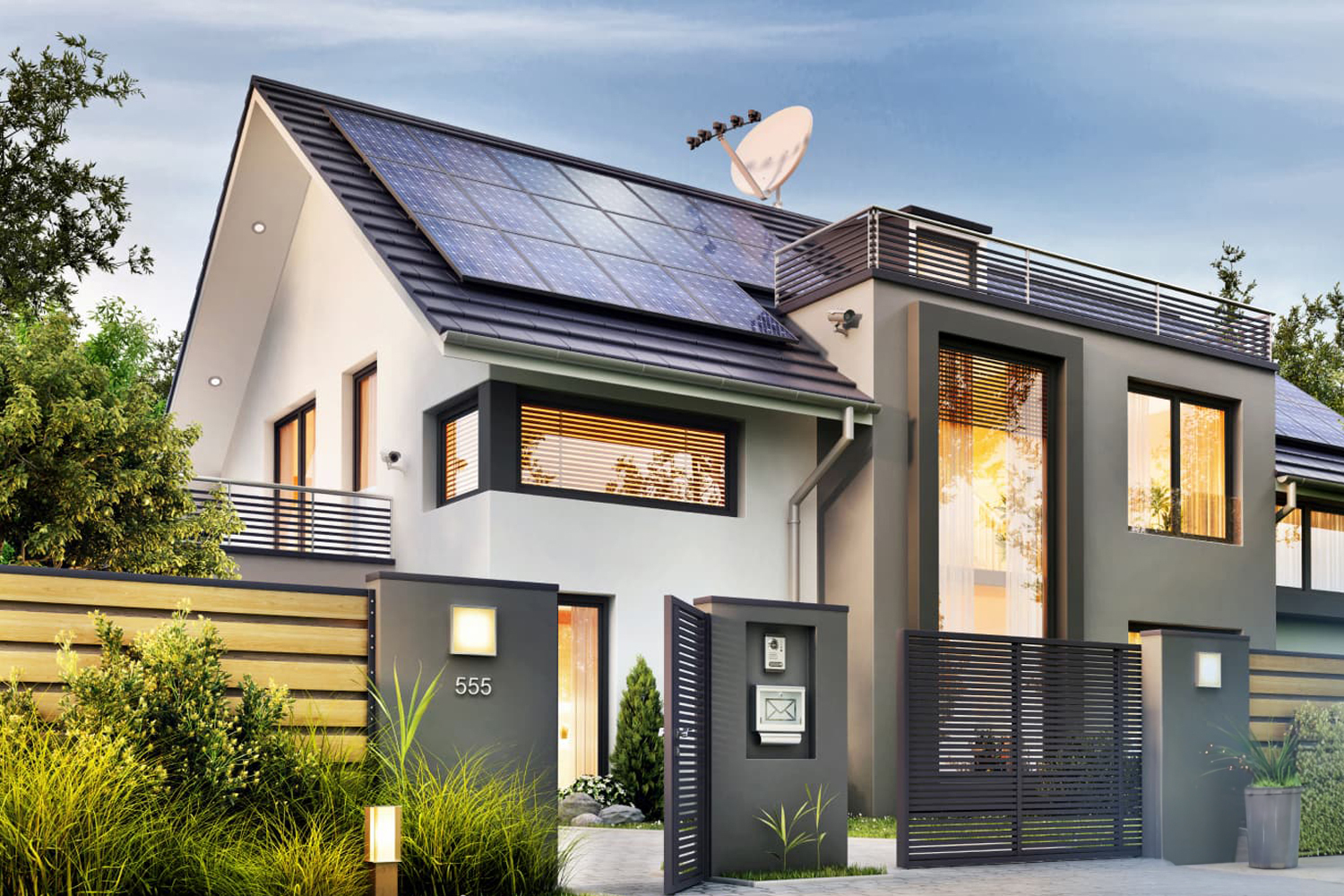
Photo: Regan Irish
Security Enters a New Era of Luxury Living
In the world of ultra high net worth individuals, home security has evolved far beyond traditional alarms and surveillance cameras. It is now a fully integrated component of luxury living, combining cutting edge technology, architectural design, and personalized protection strategies.
For billionaires and high profile entrepreneurs, security is no longer a background concern. It has become a visible and highly customized feature of modern estates, reflecting both status and lifestyle priorities.
High Tech Systems Redefine Residential Protection
Modern luxury residences are increasingly equipped with advanced security ecosystems that include biometric access controls, AI powered surveillance, motion detection networks, and real time threat analysis systems.
These technologies work together to create layered protection environments that can identify unusual activity, monitor perimeters, and alert security teams instantly. The goal is not only to respond to threats but to anticipate and prevent them before they escalate.
As technology continues to evolve, residential security systems are becoming more intelligent, adaptive, and autonomous.
Privacy as a Core Wealth Priority
Privacy has become one of the most valuable commodities among the global elite. Wealthy individuals often face heightened public attention, making discretion a critical aspect of their lifestyle.
Luxury estates are being designed with privacy as a central architectural principle. This includes secluded layouts, controlled access points, natural barriers, and strategic positioning of structures to minimize visibility from outside areas.
In many cases, privacy is considered just as important as luxury finishes or location.
Security as a Luxury Investment
Spending on advanced security systems is increasingly viewed as a necessary investment rather than an optional expense. Ultra wealthy homeowners are allocating significant budgets toward customized protection solutions that match the scale and value of their properties.
This includes not only technology but also trained personnel, private security teams, and integrated monitoring services that operate around the clock.
For many affluent families, security investment is directly tied to asset protection and peace of mind.
Artificial Intelligence Transforms Threat Detection
Artificial intelligence is playing a major role in modern security infrastructure. AI systems are capable of analyzing patterns, recognizing faces, detecting anomalies, and distinguishing between normal and suspicious activity.
These capabilities significantly enhance the responsiveness and accuracy of residential security systems. Instead of relying solely on human monitoring, AI enables continuous surveillance with minimal delay or oversight gaps.
As these systems become more advanced, they are increasingly being integrated into entire property ecosystems.
Smart Homes and Security Integration
Luxury homes are now being built with fully integrated smart systems where security is embedded into every layer of the property. Lighting, doors, cameras, alarms, and communication systems are all interconnected and centrally controlled.
Homeowners can monitor and manage their properties remotely using secure digital platforms. This level of control allows for constant awareness and instant response regardless of location.
The blending of convenience and protection is redefining modern expectations of high end living.
Private Security Personnel Remain Essential
Despite technological advancements, human security teams remain a critical part of luxury protection strategies. Many high net worth individuals employ private security professionals who specialize in residential protection, travel security, and risk management.
These teams work in coordination with digital systems to provide a comprehensive security framework that balances automation with human judgment.
The combination of human expertise and technology creates a multi layered defense structure.
Cybersecurity Becomes Part of Home Protection
As homes become more digitally connected, cybersecurity has become an essential component of residential security. Smart systems, communication networks, and personal data storage all require protection from digital threats.
Wealthy homeowners are increasingly investing in cybersecurity experts and encrypted systems to safeguard their digital environments.
This expansion of security into the digital space reflects the growing convergence of physical and virtual risk management.
The Rise of Security Driven Architecture
Architects and developers are incorporating security considerations directly into property design. This includes reinforced materials, hidden access routes for staff, secure underground facilities, and controlled entry systems that blend into the aesthetic of the home.
Security is no longer added after construction. It is embedded into the blueprint from the beginning, ensuring that protection and design function as a unified system.
This approach allows luxury estates to maintain elegance while achieving advanced safety standards.
Security as a Social Status Marker
For many ultra wealthy individuals, security systems have become a subtle indicator of status. The sophistication, customization, and technological advancement of a home’s security infrastructure can reflect the owner’s wealth level and lifestyle priorities.
However, unlike traditional luxury displays, modern security status is often intentionally discreet. The most advanced systems are designed to be invisible while still highly effective.
This shift highlights a broader trend in luxury culture where true exclusivity is defined by control and privacy rather than visibility.
The Future of Luxury Protection
Looking ahead, luxury home security is expected to become even more intelligent, predictive, and personalized. Advances in artificial intelligence, robotics, and sensor technology will likely further transform how high value properties are protected.
Future systems may integrate predictive risk modeling, automated response mechanisms, and fully autonomous monitoring capabilities.
As wealth continues to concentrate and global mobility increases, demand for advanced residential security will remain a defining feature of ultra high net worth lifestyles.


Subscribe to unlock premium content
Sed at tellus, pharetra lacus, aenean risus non nisl ultricies commodo diam aliquet arcu enim eu leo porttitor habitasse adipiscing porttitor varius ultricies facilisis viverra lacus neque.
A comprehensive guide on Agile development

10 Productivity tools that are worth checking out
Top 7 Must have management tools for productivity

A comprehensive guide on Agile development
10 Productivity tools that are worth checking out
A comprehensive guide on Agile development