
Luxury Hospitality Brands Introduce Royalty Inspired Residences With Private Chefs Art Curators and In House Wellness Teams
By
Sophie Moore
Last updated:
May 14, 2026
First Published:
May 14, 2026

Luxury hospitality in 2026 is undergoing a major transformation. The traditional idea of hotels and resorts is being replaced by a far more immersive and personalized model. Across global luxury markets, leading hospitality brands are now introducing royalty inspired private residences that function as fully staffed estates designed exclusively for ultra high net worth individuals and their families.
These residences are not typical serviced apartments or branded condos. They are complete lifestyle ecosystems offering private chefs, art curators, wellness experts, personal security teams, and round the clock hospitality management. For billionaire clients, this new model represents the ultimate fusion of privacy, comfort, and personalized living.
The concept is simple but powerful. Instead of staying in luxury, wealthy clients now live inside it permanently.
The Shift From Luxury Hotels to Private Royal Living
For decades, five star hotels represented the peak of luxury hospitality. Grand lobbies, concierge services, Michelin level dining, and exclusive suites defined elite travel. However, ultra wealthy individuals are increasingly seeking something more private and more controlled than traditional hospitality environments.
This demand has pushed luxury brands to rethink their entire approach. Instead of offering temporary stays, they are now creating permanent or semi permanent private residences that operate like personal royal estates.
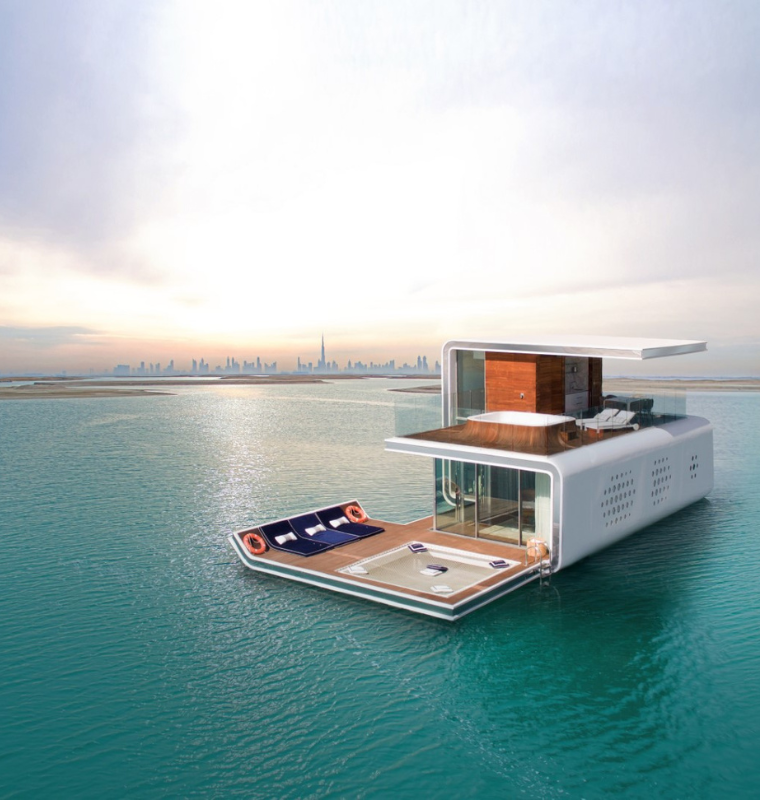
These properties are often located in prime global destinations such as Paris, Dubai, London, New York, and coastal Mediterranean regions. Each residence is designed to feel like a secluded palace where guests experience complete autonomy combined with full service support.
For wealthy families, this shift removes the friction of constant travel logistics and replaces it with seamless living experiences.
Private Chefs Are Becoming a Core Feature of Elite Residences
One of the most defining features of these royalty inspired residences is the inclusion of dedicated private chefs. These chefs are often trained in Michelin starred kitchens and specialize in multi cuisine international dining tailored to personal dietary preferences and wellness goals.
Meals are no longer scheduled around restaurant availability. Instead, dining becomes a fully personalized experience available at any time of day or night. Menus are often designed in collaboration with nutrition experts and wellness consultants to support energy, longevity, and lifestyle performance.
For many elite families, food is no longer just nourishment. It becomes an expression of identity, culture, and health optimization inside a fully managed luxury environment.
Art Curators Are Turning Residences Into Private Museums
Another major evolution in luxury hospitality is the integration of professional art curators into private residences. These specialists manage rotating collections of rare artworks, sculptures, and cultural artifacts inside billionaire homes.
Instead of simply decorating interiors, art curation is becoming a dynamic experience where collections evolve over time. Some residences feature rotating exhibitions sourced from private galleries, auction houses, and international art networks.
For wealthy clients, this creates a living environment that feels culturally rich and constantly evolving. It also reflects status and sophistication within elite social circles where art ownership remains a powerful symbol of influence.
In many cases, residences are designed to function as private museums that are never open to the public.
Wellness Teams Are Redefining Everyday Living
Health optimization has become a central focus in modern luxury living. As a result, in house wellness teams are now standard features in these royalty inspired residences.
These teams often include personal trainers, physiotherapists, nutrition specialists, mental wellness coaches, and longevity consultants. Their goal is to maintain peak physical and emotional condition for all residents.
Wellness facilities inside these residences are equally advanced. Private spas, recovery suites, meditation rooms, hydrotherapy systems, and customized fitness studios are integrated directly into the living environment.
For billionaire families, wellness is no longer a service they visit. It is a permanent part of their home ecosystem.
Privacy and Service Are Being Engineered at the Highest Level
Privacy remains one of the most important elements driving this trend. Ultra wealthy individuals increasingly expect complete discretion in all aspects of their daily lives.
Luxury hospitality brands are responding with highly controlled access systems, private entrances, discreet staffing protocols, and advanced security infrastructure. Staff members are often trained specifically in confidentiality and elite client management.
At the same time, service quality is being elevated to unprecedented levels. The goal is to create invisible service where every need is anticipated and fulfilled without disruption to the client’s lifestyle.
This combination of privacy and precision service is redefining what luxury hospitality means at the highest level.
Royal Inspired Design Is Becoming the New Luxury Standard
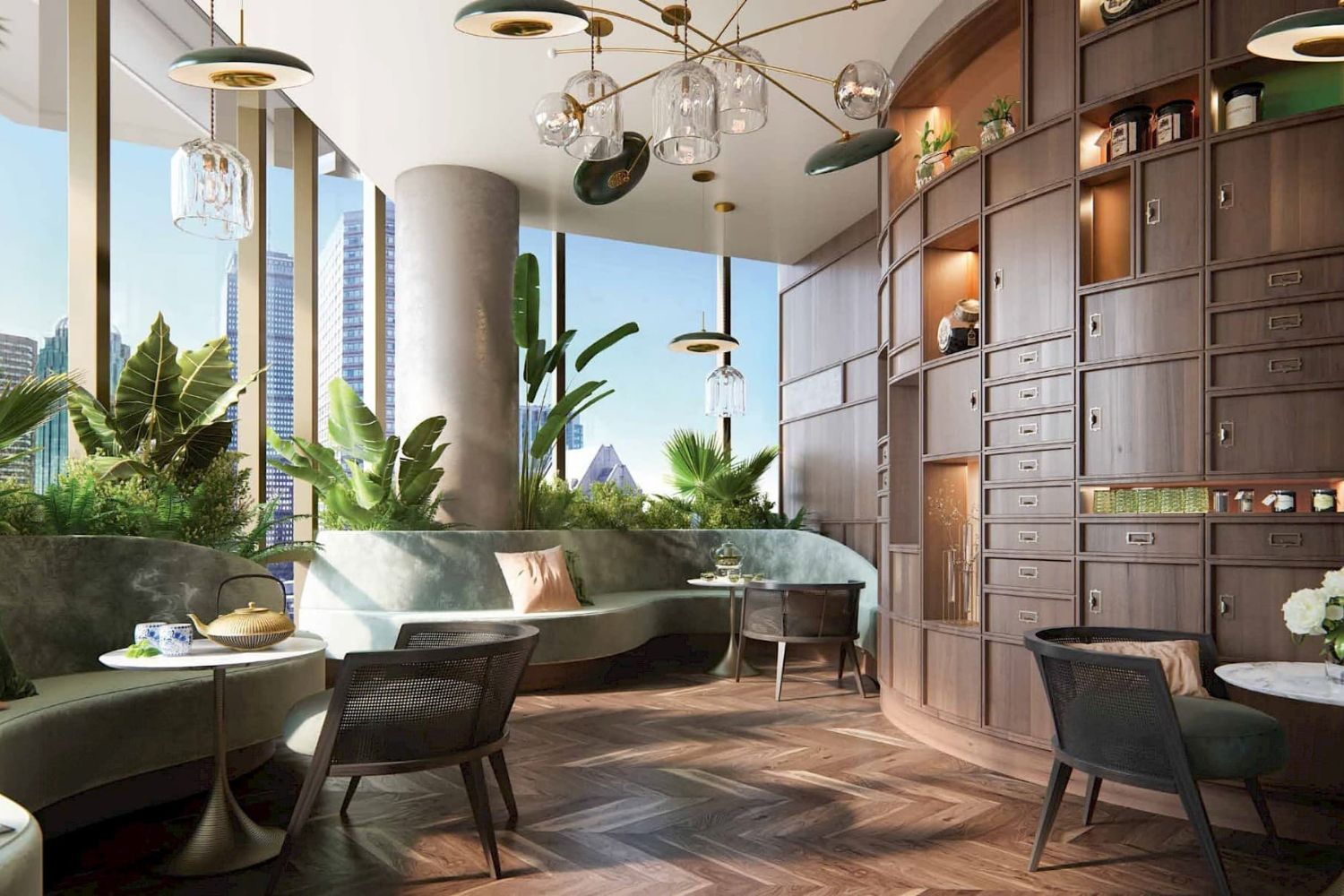
Aesthetically, these residences draw heavy inspiration from historical royal palaces combined with modern minimalist architecture. Designers are blending traditional elegance with contemporary comfort to create environments that feel both timeless and futuristic.
High ceilings, handcrafted furniture, marble interiors, gold accents, and curated lighting systems are commonly used to create a sense of grandeur. At the same time, modern smart home systems ensure full control over environment, entertainment, and security.
The result is a living space that feels both regal and technologically advanced.
For wealthy clients, this combination delivers emotional comfort, prestige, and modern convenience in a single environment.
Luxury Hospitality Brands Are Competing for Ultra Wealthy Clients
Global luxury hospitality companies are now competing aggressively to capture this emerging market. The focus is no longer just on hotel stays but on long term residential relationships with billionaire families.
Some brands are offering fully managed private estates where clients can move between global residences under a single membership system. Others are building ultra exclusive residential communities where all homes are operated under unified luxury service standards.
This competition is pushing innovation across design, service, and personalization. Each brand is trying to offer a more seamless, more private, and more emotionally engaging experience than its competitors.
Technology Is Powering a New Era of Personalized Luxury Living
Advanced technology is playing a major role in enabling these royal inspired residences. Artificial intelligence systems are being used to learn client preferences and optimize daily living experiences.
Smart home automation, biometric access systems, predictive service models, and integrated wellness tracking are becoming standard features. Some residences even adjust lighting, temperature, and ambiance automatically based on resident mood and activity patterns.
Technology is not replacing luxury hospitality. It is enhancing it by making service more intuitive and personalized than ever before.
The Future of Luxury Living Is Becoming Fully Managed and Emotionally Driven
The rise of royalty inspired private residences signals a major shift in how luxury is defined. Wealthy individuals are moving away from ownership alone and toward fully managed lifestyle ecosystems.
Instead of managing homes, staff, and services separately, billionaire families are now embracing integrated living environments where everything is curated and controlled by expert teams.
This evolution reflects a deeper trend inside global wealth culture. Luxury is no longer just about possessions or locations. It is about time, comfort, emotional wellbeing, and effortless living.
As this model expands, the future of luxury hospitality will likely become even more personalized, immersive, and indistinguishable from private royal life.


Subscribe to unlock premium content
Sed at tellus, pharetra lacus, aenean risus non nisl ultricies commodo diam aliquet arcu enim eu leo porttitor habitasse adipiscing porttitor varius ultricies facilisis viverra lacus neque.
A comprehensive guide on Agile development

10 Productivity tools that are worth checking out
Top 7 Must have management tools for productivity

A comprehensive guide on Agile development
10 Productivity tools that are worth checking out
A comprehensive guide on Agile development