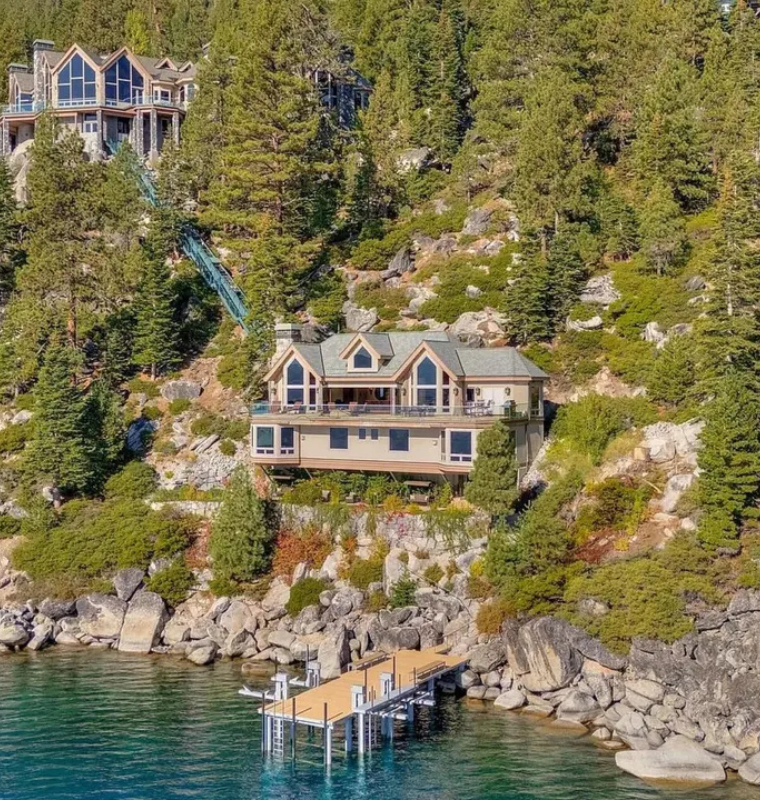

Luxury Real Estate Moves to Floating Megastructures
By
Sophie Moore
Last updated:
April 8, 2026
First Published:
April 8, 2026

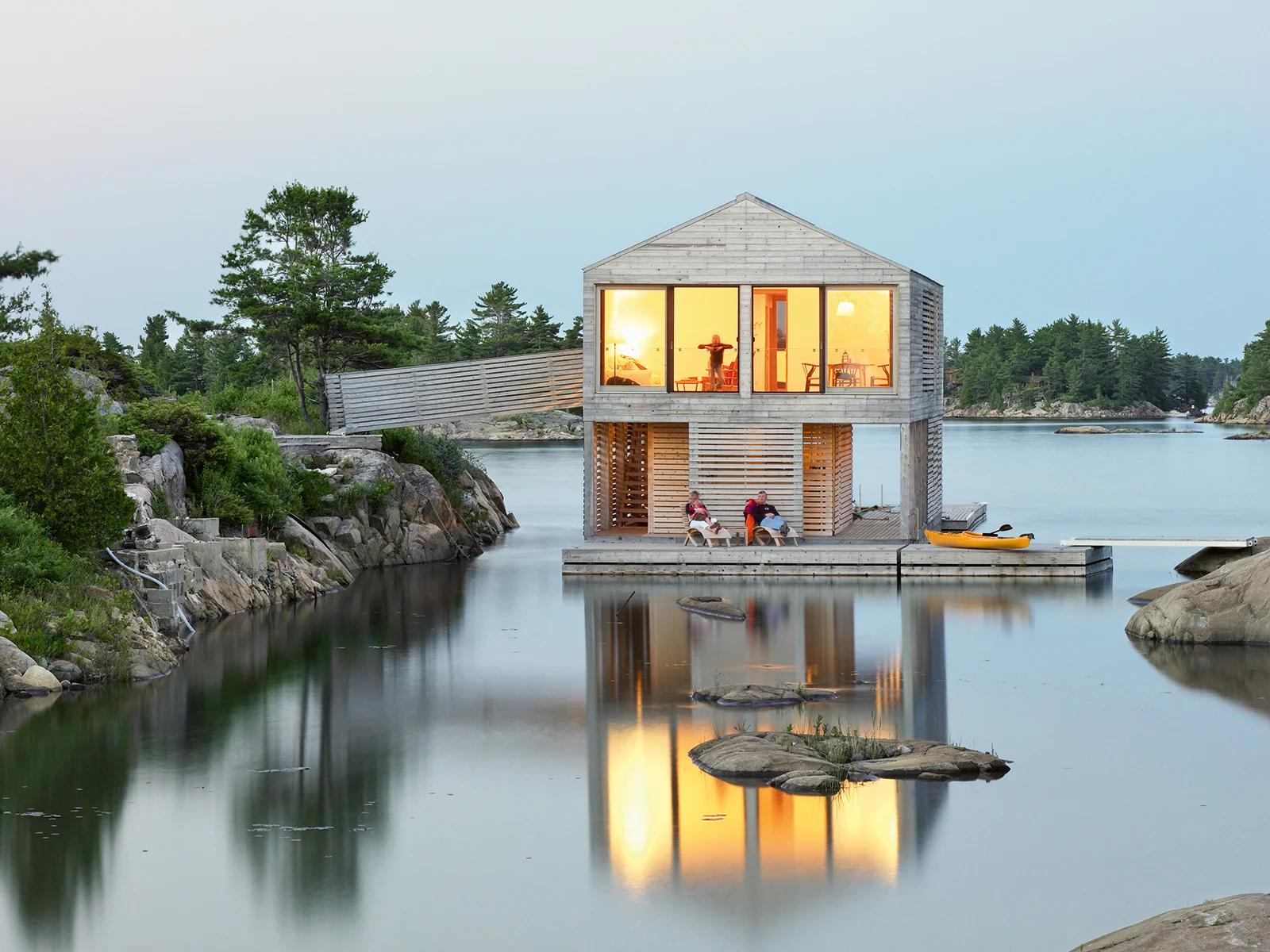
As climate change accelerates and coastal cities face rising sea levels, the ultra-wealthy are redefining the concept of luxury living. Floating megastructures have emerged as a groundbreaking trend in real estate, combining architectural innovation, sustainability, and unparalleled exclusivity. These structures are designed to rise above water, offering both protection from environmental threats and a new standard of comfort.
Unlike conventional oceanfront properties, floating mansions are built on advanced platforms engineered to remain stable in turbulent waters. They integrate hydrodynamic design principles with reinforced materials, ensuring resilience against storms, tides, and long-term sea-level rise. Every structure is a bespoke creation, tailored to the lifestyle preferences of its owner.
Inside these megastructures, luxury meets functionality. Interiors feature expansive living spaces, panoramic glass walls, and private amenities that rival the finest land-based estates. State-of-the-art climate control systems maintain optimal conditions, while renewable energy technologies, such as solar panels and wave energy converters, ensure sustainable operation.
The shift toward floating residences is not just about environmental foresight. It represents a strategic investment. High-net-worth individuals are increasingly considering properties that are immune to the risks of flooding, erosion, and extreme weather. By moving their assets into water-based real estate, they are preserving both capital and lifestyle continuity in uncertain times.
Some floating estates even incorporate private docks, submarine garages, and underwater observation rooms. These innovations cater to elite leisure pursuits, offering yacht access, diving experiences, and immersive views of marine ecosystems. The integration of cutting-edge technology ensures both safety and luxury, making these properties highly desirable.
The development process for floating megastructures is exceptionally complex. Architects and engineers collaborate to balance structural integrity with aesthetic appeal. Hydrodynamic simulations, environmental impact assessments, and precision construction techniques are all essential components. Every design decision is influenced by the need to harmonize with surrounding waters while providing the highest level of exclusivity.
In addition to physical resilience, these floating homes are designed to support ecological sustainability. Waste management, water purification, and energy efficiency are integral features. Some projects even include vertical gardens, aquaponic farms, and marine conservation zones, reflecting the increasing desire among wealthy clients to align luxury with environmental responsibility.
Privacy remains a crucial selling point. Many floating estates are located in secluded waters or private lagoons, far from prying eyes and traditional urban constraints. Access is often limited to helicopters, private yachts, or specialized transport, ensuring that residents can enjoy both security and discretion.
The cultural impact of these megastructures is significant. They signal a shift in how society perceives elite real estate, emphasizing adaptability and foresight. For the ultra-wealthy, floating estates are not merely homes but statements of vision, innovation, and preparedness for the challenges of the coming decades.
Ultimately, floating megastructures represent a convergence of luxury, technology, and environmental strategy. For those who can afford them, they offer a way to live beyond the limitations of geography and climate, creating a new frontier in high-end real estate. This trend is poised to redefine what it means to own a private estate in a world shaped by climate change.


Subscribe to unlock premium content
Sed at tellus, pharetra lacus, aenean risus non nisl ultricies commodo diam aliquet arcu enim eu leo porttitor habitasse adipiscing porttitor varius ultricies facilisis viverra lacus neque.
A comprehensive guide on Agile development

10 Productivity tools that are worth checking out

Top 7 Must have management tools for productivity

A comprehensive guide on Agile development
10 Productivity tools that are worth checking out
A comprehensive guide on Agile development