

Met Gala Afterparties Enter a New Realm of Exclusivity
By
Maya K.
Last updated:
May 5, 2026
First Published:
May 5, 2026

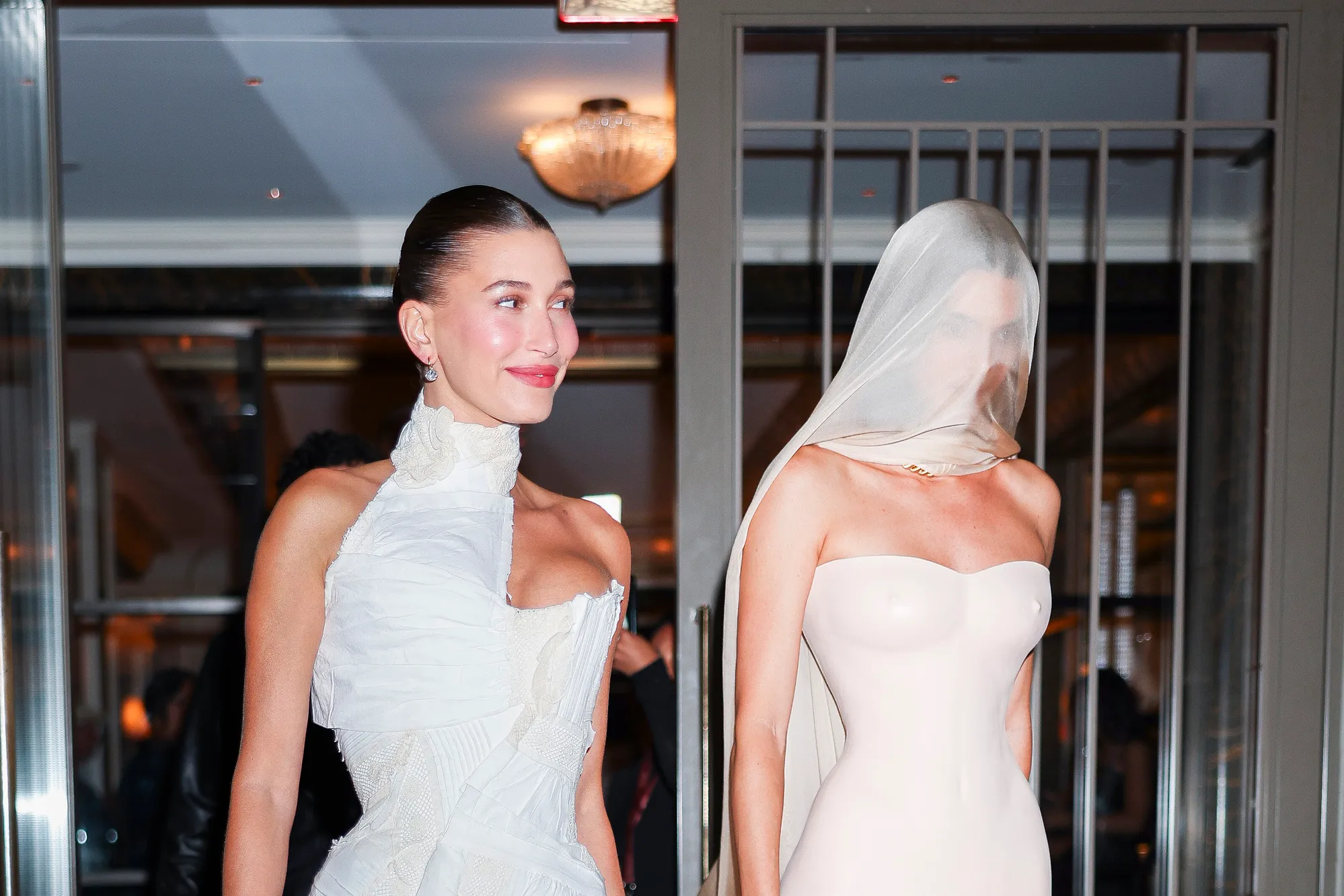
Getty Images
The Night Beyond the Red Carpet
While the public gaze remains fixed on the grand staircase of the Met Gala, the true theater of wealth quietly unfolds long after the cameras dim. The 2026 afterparties have evolved into something far more curated and controlled than in previous years. What was once an extension of celebration has now become an entirely separate ecosystem of influence, discretion, and ultra elite signaling.
These gatherings are no longer about visibility. They are about access. Entry is no longer determined by celebrity status alone but by proximity to power, influence, and cultural capital. The guest lists are shorter, more refined, and intentionally opaque, creating an atmosphere where presence itself becomes a form of currency.
Invitation as the Ultimate Luxury
The most striking transformation lies in how invitations are distributed. They are no longer widely circulated even among high profile attendees. Instead they move through tightly held networks, often delivered privately and confirmed through personal intermediaries. In many cases, even those who attend the main gala remain unaware of where the most coveted after gatherings will take place.
This scarcity has elevated the value of invitation to unprecedented levels. Being present is no longer about attending an event. It is about belonging to a circle that operates beyond the reach of public recognition.
Private Performances Redefine Entertainment
Entertainment at these afterparties has taken on a deeply personalized tone. Instead of large scale performances designed for mass appeal, hosts are commissioning intimate showcases tailored to their guests. Renowned artists perform in close quarters, often for audiences of fewer than one hundred people.
These performances are rarely documented. They exist in the moment, designed to be experienced rather than shared. This deliberate absence of visibility enhances their value, turning each performance into a memory that cannot be replicated or broadcast.
The Architecture of Exclusivity
Locations play a critical role in shaping the identity of these gatherings. Rather than traditional venues, hosts are choosing private residences, hidden penthouses, and architecturally significant spaces that are not accessible to the public. Each setting is selected to reinforce a sense of separation from the outside world.
Interior design becomes part of the narrative. Spaces are transformed to reflect a specific mood or theme, often drawing inspiration from art, history, or cultural movements. The environment itself becomes an extension of the host’s identity, carefully curated to leave a lasting impression.
Discretion as a Social Currency
In this new landscape, discretion has become one of the most valuable traits a guest can possess. Conversations remain private, interactions are undocumented, and social media presence is intentionally limited. Guests understand that the true value of the experience lies in its exclusivity, not its visibility.
This shift marks a departure from the era where luxury was defined by public display. Today, the most powerful form of wealth signaling is the ability to remain unseen while participating in the most coveted experiences.
The Rise of Cultural Gatekeepers
A new class of hosts is emerging within this ecosystem. These individuals are not always the most publicly recognized figures, but they hold significant influence within niche cultural and financial circles. They act as gatekeepers, curating guest lists that blend artists, investors, designers, and thought leaders.
Their role extends beyond hosting. They shape the narrative of the evening, determining not only who attends but how the experience unfolds. This level of control allows them to position themselves at the center of a highly influential network.
Luxury Without Excess
Interestingly, the aesthetic of these afterparties is shifting away from overt displays of extravagance. Instead of overwhelming opulence, there is a focus on refinement and intentionality. Every element is carefully considered, from lighting to sound to the pacing of the evening.
This restraint reflects a broader evolution in luxury culture. True sophistication is no longer about having more. It is about having exactly what is needed, executed with precision and taste.
Networking in Its Purest Form
Beyond the visual and experiential elements, these gatherings serve a strategic purpose. They provide a space where meaningful connections can be formed away from the pressures of public scrutiny. Deals are discussed, collaborations are initiated, and relationships are deepened in an environment designed to foster trust.
The absence of external noise allows conversations to take on a different quality. Guests engage more authentically, knowing that their interactions will remain confidential.
A New Definition of Status
Attending one of these afterparties has become a marker of a very specific kind of status. It is not about fame or fortune alone but about being recognized as part of an inner circle that values discretion, taste, and influence.
This redefinition of status is subtle yet powerful. It shifts the focus from what can be seen to what can only be experienced, creating a hierarchy that is invisible to the outside world.
Conclusion: The Quiet Power of Presence
The 2026 Met Gala afterparties reveal a profound shift in how luxury is expressed and experienced. They demonstrate that the highest levels of wealth no longer seek validation through visibility. Instead they find value in privacy, curation, and meaningful connection.
In this rarefied world, presence speaks louder than display. To be there is to be part of something that exists beyond the reach of the public eye, a realm where luxury is not shown but understood.



Subscribe to unlock premium content
Sed at tellus, pharetra lacus, aenean risus non nisl ultricies commodo diam aliquet arcu enim eu leo porttitor habitasse adipiscing porttitor varius ultricies facilisis viverra lacus neque.
A comprehensive guide on Agile development

10 Productivity tools that are worth checking out

Top 7 Must have management tools for productivity

A comprehensive guide on Agile development
10 Productivity tools that are worth checking out
A comprehensive guide on Agile development