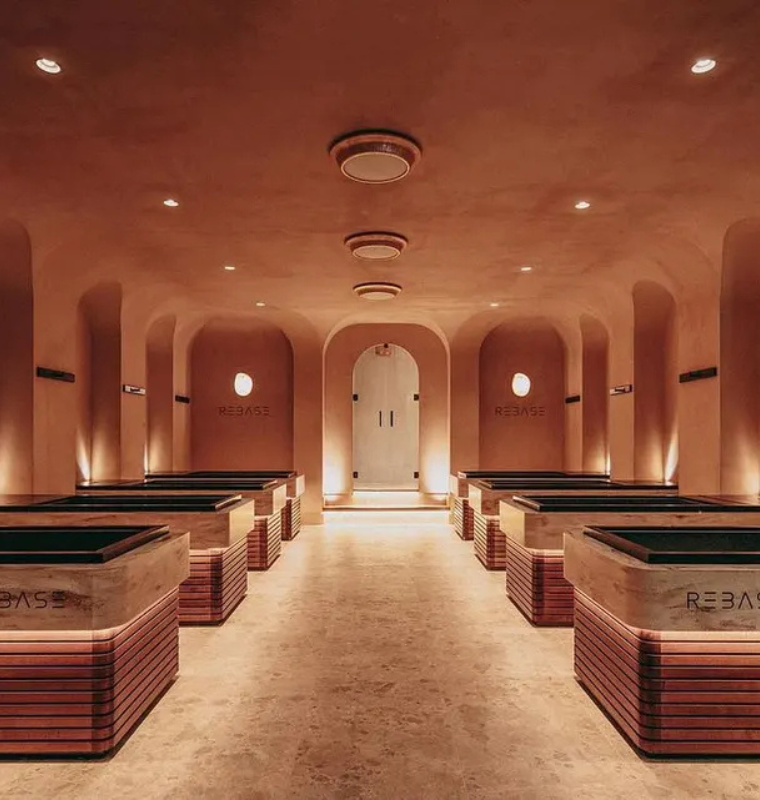

Millionaires Are Leaving Major Cities for Exclusive Coastal Communities, Reshaping Luxury Real Estate Markets
By
John Carter
Last updated:
June 2, 2026
First Published:
June 2, 2026


Photo: The Super Prime
The New Geography of Wealth
For decades, the world's wealthiest individuals gravitated toward major metropolitan centers. Cities offered access to financial institutions, business opportunities, cultural attractions, and prestigious social circles. Owning luxury property in a global city was often viewed as a symbol of success and influence. Today, however, a noticeable shift is taking place across the luxury real estate landscape.
An increasing number of affluent individuals are choosing to relocate from crowded urban environments to exclusive coastal communities. This movement is not simply a lifestyle trend. It represents a broader transformation in how wealthy individuals define luxury, convenience, privacy, and long term value. As a result, coastal regions that were once considered seasonal destinations are becoming permanent homes for some of the world's most successful people.
Why Wealthy Buyers Are Rethinking City Living
The appeal of large cities remains strong, but many affluent residents have begun questioning whether urban living still delivers the quality of life they desire. Traffic congestion, rising population density, limited privacy, and increasing living costs have encouraged many high net worth individuals to explore alternatives.
Coastal communities offer something cities often struggle to provide. Residents gain access to open spaces, natural beauty, cleaner environments, and a slower pace of life without sacrificing luxury. Modern technology and remote business capabilities have also made it easier for wealthy entrepreneurs and investors to operate from virtually anywhere in the world.
As business becomes increasingly digital, proximity to traditional financial districts is no longer as important as it once was. This shift has allowed affluent individuals to prioritize lifestyle choices over geographic convenience.
Privacy Has Become a Premium Asset
One of the most important factors driving this migration is privacy. Wealthy individuals increasingly value personal security and discretion. In major cities, public exposure is difficult to avoid. High profile neighborhoods often attract media attention, tourism, and constant activity.
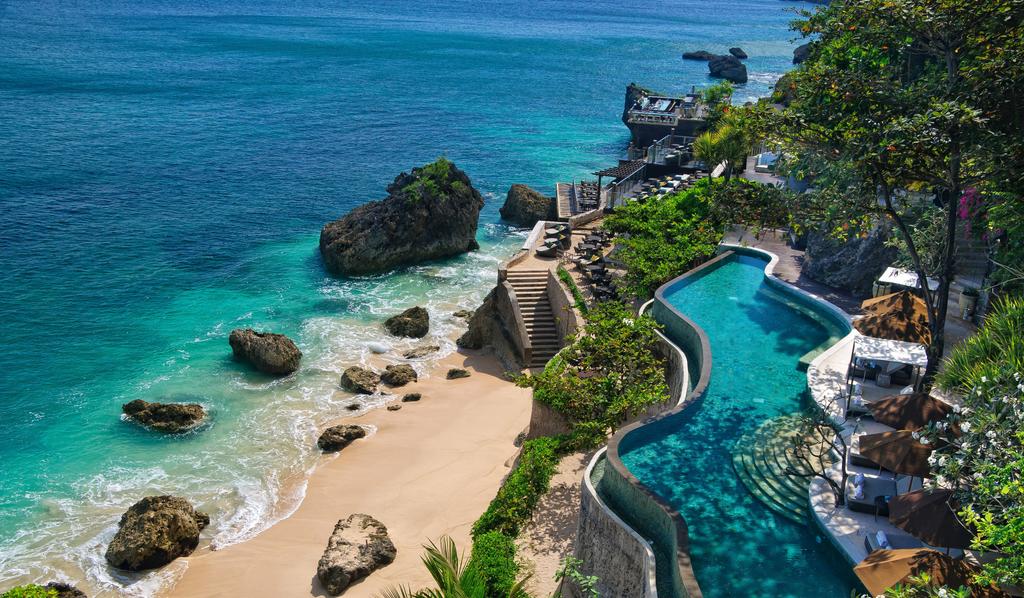
Exclusive coastal communities provide a more controlled environment. Gated estates, private beaches, secure residential compounds, and limited public access create an atmosphere that many affluent families find appealing.
For business leaders, celebrities, investors, and entrepreneurs, privacy has become a luxury asset in its own right. Coastal properties often deliver this benefit more effectively than even the most prestigious urban residences.
Luxury Real Estate Developers Are Following the Trend
Developers have quickly recognized the growing demand for high end coastal living. New luxury projects are being designed specifically for affluent buyers seeking a combination of elegance, comfort, and exclusivity.
Many modern developments feature private marinas, wellness centers, concierge services, oceanfront villas, and extensive recreational amenities. Rather than focusing solely on square footage, developers are emphasizing lifestyle experiences that appeal to wealthy residents.
The result is a new generation of luxury communities that function as self contained ecosystems where residents can enjoy world class services without leaving their neighborhoods.
Coastal Living Is Becoming a Status Symbol
Luxury has always evolved alongside cultural preferences. Today, ownership of an exceptional coastal property is increasingly viewed as a symbol of success. Oceanfront estates and waterfront residences offer a level of exclusivity that even prestigious city penthouses may struggle to match.
The ability to wake up to panoramic ocean views, access private beaches, and enjoy year round resort style amenities has become highly desirable among affluent buyers. These properties are often viewed as both lifestyle investments and long term wealth preservation assets.
As demand continues to rise, ownership in exclusive coastal destinations is becoming a defining characteristic of modern luxury living.
The Impact on Property Values
The migration of wealthy buyers is having a significant impact on local real estate markets. Coastal communities that previously catered to seasonal visitors are experiencing increased demand from full time residents.
This influx of capital has contributed to rising property values and increased development activity. Luxury homes are selling at premium prices as competition intensifies among buyers seeking access to limited waterfront inventory.
Many real estate analysts believe this trend could continue for years as affluent individuals remain focused on lifestyle quality and long term property appreciation.
Local Economies Are Benefiting
The arrival of high net worth residents often brings substantial economic benefits to coastal communities. Increased spending supports local businesses, hospitality providers, construction firms, and service industries.
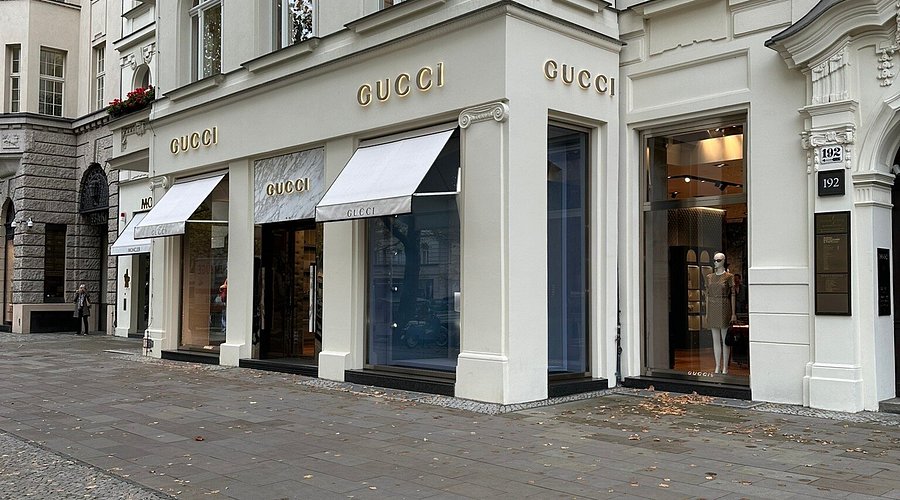
Luxury retail stores, fine dining establishments, wellness facilities, and professional service providers frequently expand their presence in response to growing demand. New employment opportunities are created as communities adapt to serve an increasingly affluent population.
This economic growth can transform smaller coastal towns into sophisticated luxury destinations with international appeal.
Family Priorities Are Influencing Decisions
Many wealthy families are making relocation decisions based on long term lifestyle goals rather than short term convenience. Access to outdoor activities, healthier environments, and family oriented communities has become increasingly important.
Parents are seeking locations where children can enjoy a higher quality of life while remaining connected to educational and professional opportunities. Coastal communities often provide a balance between luxury and wellbeing that many families find attractive.
This emphasis on personal fulfillment reflects a broader shift in how success is measured among affluent households.
Technology Has Made Location Less Important
Remote communication tools have fundamentally changed the way many businesses operate. Executives, investors, and entrepreneurs can now participate in meetings, manage companies, and oversee investments from virtually any location.
This flexibility has reduced the necessity of maintaining primary residences near corporate headquarters. Instead, wealthy individuals can choose locations based on personal preference rather than professional obligation.
The ability to remain productive while enjoying a superior lifestyle has accelerated the migration toward exclusive coastal communities.
The Future of Luxury Real Estate
The growing movement of wealth toward coastal destinations is likely to influence luxury real estate markets for years to come. Developers, investors, and local governments are already adapting to meet the needs of affluent residents seeking premium living experiences.
While major cities will continue to play an important role in global commerce and culture, exclusive coastal communities are emerging as powerful competitors in the race to attract wealth. The combination of privacy, natural beauty, lifestyle amenities, and long term investment potential continues to resonate with high net worth buyers around the world.
As this trend evolves, the definition of luxury living is being rewritten. For many affluent individuals, true wealth is no longer measured by proximity to a city skyline. Instead, it is increasingly defined by access to space, serenity, exclusivity, and a lifestyle that offers both comfort and freedom.


Subscribe to unlock premium content
Sed at tellus, pharetra lacus, aenean risus non nisl ultricies commodo diam aliquet arcu enim eu leo porttitor habitasse adipiscing porttitor varius ultricies facilisis viverra lacus neque.
A comprehensive guide on Agile development

10 Productivity tools that are worth checking out

Top 7 Must have management tools for productivity

A comprehensive guide on Agile development
10 Productivity tools that are worth checking out
A comprehensive guide on Agile development