

Multi Generational Wealth Holders Reduce Exposure to Traditional Luxury Cycles
By
John Carter
Last updated:
December 22, 2025
First Published:
December 22, 2025

.webp)
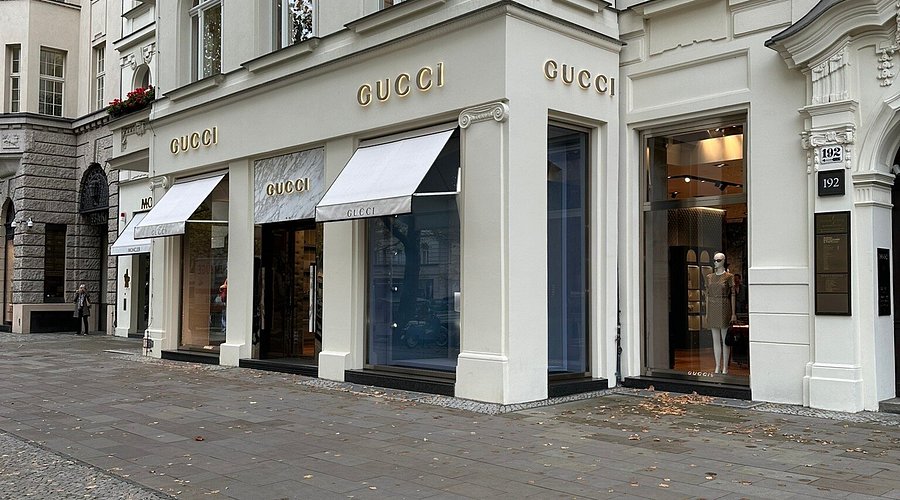
Photo: Forbes
A Shift in Family Wealth Philosophy
Over the past decade, multi-generational wealthy families have begun to rethink how they engage with luxury markets. Traditional cycles of conspicuous consumption, designer goods, and high-profile investments are giving way to approaches that emphasize sustainability, risk management, and long-term financial stability. The goal is no longer simply to display wealth but to protect and grow it across generations.
The Risks of Traditional Luxury Cycles
Luxury markets are cyclical by nature, heavily influenced by trends, brand perception, and global economic shifts. Investments in high-end goods or highly visible ventures often fluctuate in value, sometimes drastically. For families looking to preserve wealth over decades, exposure to these unpredictable cycles is increasingly seen as a liability.
Focus on Durable Assets
Instead of relying on short-lived luxury purchases, these families are redirecting capital toward durable, revenue-generating assets. Real estate with long-term leases, private enterprises, infrastructure projects, and niche financial instruments offer predictable returns and stability. These choices minimize exposure to volatility while supporting long-term planning.
Governance and Control Across Generations
Multi-generational wealth management demands clear governance structures. By reducing reliance on trend-driven luxury, families can focus on businesses, private holdings, and investment vehicles that allow successive generations to actively participate in decision-making. This creates continuity, operational efficiency, and lasting influence.
Risk Management Through Diversification
Diversifying away from traditional luxury reduces reputational, financial, and market risks. Families are increasingly blending revenue-generating assets with selective lifestyle investments, maintaining cultural and social participation without compromising long-term stability. This careful balance is central to modern wealth preservation.
Privacy as a Strategic Priority
Lower engagement with visible luxury reduces public scrutiny and security risks. Families can operate more discreetly, protecting their legacy and minimizing unwanted attention. Privacy has become both a personal preference and a financial strategy.
Adapting to Market and Cultural Shifts
Younger generations of wealthy families are influencing this trend, emphasizing sustainability, social impact, and strategic financial planning. There is less interest in ostentatious displays and more focus on meaningful investments that reflect long-term vision and responsibility.
Operational Involvement Strengthens Assets
By concentrating on functional and revenue-generating investments, families gain operational influence. They can optimize businesses, guide financial instruments, and shape enterprises in ways that maximize resilience and growth, unlike luxury items which provide limited leverage or control.
Economic Implications of the Shift
This change in spending and investment behavior impacts markets broadly. Demand shifts from high turnover luxury items to stable, high-quality assets, influencing supply chains, private enterprise development, and regional investment patterns. Wealth becomes a driver of tangible, enduring economic value rather than transient social signals.
A New Model of Legacy Wealth
The emerging approach redefines intergenerational success. Families prioritize continuity, stability, and influence over temporary recognition. Exposure to luxury cycles diminishes while long-term value accumulation and strategic control define modern multi-generational wealth.



Subscribe to unlock premium content
Sed at tellus, pharetra lacus, aenean risus non nisl ultricies commodo diam aliquet arcu enim eu leo porttitor habitasse adipiscing porttitor varius ultricies facilisis viverra lacus neque.
A comprehensive guide on Agile development

10 Productivity tools that are worth checking out

Top 7 Must have management tools for productivity

A comprehensive guide on Agile development
10 Productivity tools that are worth checking out
A comprehensive guide on Agile development