

No Public Listing Luxury Towers Redefine Ultra Prime Real Estate Sales Through Private Wealth Circles
By
Maya K.
Last updated:
May 22, 2026
First Published:
May 22, 2026


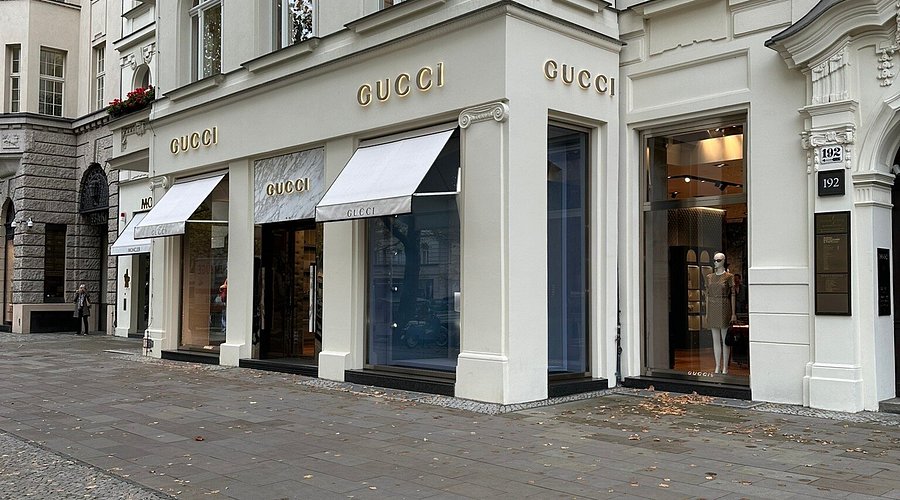
Photo: The Trillionaire Life
Emergence of Invisible Real Estate Markets
A new tier of ultra prime real estate is expanding where properties are never publicly listed. Instead of traditional brokerage channels, developers are now relying on private wealth networks, discreet advisory firms, and direct sovereign level introductions to complete transactions. This model is reshaping how elite real estate is marketed and sold globally.
Why Developers Are Moving Away From Public Listings
Public exposure has become a disadvantage in the ultra luxury segment. High visibility listings often attract market speculation, regulatory attention, and unwanted public scrutiny. By removing listings entirely, developers can maintain pricing integrity, control buyer profiles, and preserve exclusivity across entire projects.
Role of Private Wealth Circles in Distribution
Access to these properties is primarily governed by private wealth intermediaries. Family offices, private banks, and boutique advisory firms act as gatekeepers, curating potential buyers before any information about the property is disclosed. This creates a controlled ecosystem where eligibility matters more than liquidity alone.
Architecture of Invitation Only Developments
These projects are often designed with structural exclusivity in mind. Limited unit counts, bespoke architectural customization, and embedded services such as private chefs, security systems, and concierge infrastructure are standard. The design philosophy is not mass luxury but personalized estate level living within vertical developments.
Pricing Dynamics Without Public Benchmarking
Without public listings, price discovery becomes private and negotiated. This removes comparative market pressure and allows developers to position units based on perceived prestige rather than square meter benchmarks. In many cases, final pricing is influenced more by buyer profile than by traditional valuation metrics.
Confidential Transaction Structures
Transactions are increasingly executed through layered ownership vehicles and private holding structures. This allows buyers to maintain discretion while also enabling cross border ownership flexibility. Legal frameworks are tailored to ensure compliance while preserving anonymity at the ownership surface level.
Shift in Buyer Psychology Toward Exclusivity Over Visibility
Ultra wealthy buyers are showing a clear preference for assets that cannot be easily tracked or benchmarked. Ownership of a publicly known luxury property is increasingly viewed as less desirable than holding discreet, inaccessible assets known only within private circles.
Impact on Global Luxury Real Estate Markets
Traditional luxury hubs are adapting to this shift by creating parallel off market pipelines. Cities like Dubai, London, and Singapore are seeing growth in properties that never appear on public databases, altering how analysts measure demand and supply in the high end segment.
Role of Technology in Managing Private Listings
Secure digital platforms are now used to manage these invisible inventories. Access controlled systems allow vetted intermediaries to share selective property details without exposing full datasets. Encryption and identity verification systems are becoming central to these operations.
Long Term Implications for Transparency and Market Data
As more developments adopt no listing strategies, transparency in the luxury real estate sector may decrease further. This creates challenges for valuation models, market analysis, and investment tracking, shifting the industry toward relationship driven rather than data driven transactions.
Conclusion on the Rise of Invisible Luxury Towers
The move toward non listed luxury developments represents a structural change in global real estate. Exclusivity is no longer just about price or location, but about access itself. The most valuable properties are increasingly those that the public never sees, reinforcing a new hierarchy of invisible luxury ownership.



Subscribe to unlock premium content
Sed at tellus, pharetra lacus, aenean risus non nisl ultricies commodo diam aliquet arcu enim eu leo porttitor habitasse adipiscing porttitor varius ultricies facilisis viverra lacus neque.
A comprehensive guide on Agile development

10 Productivity tools that are worth checking out

Top 7 Must have management tools for productivity

A comprehensive guide on Agile development
10 Productivity tools that are worth checking out
A comprehensive guide on Agile development