

Old Money Is Losing Its Grip as Self Made Fortunes Rewrite Social Hierarchies
By
John Carter
Last updated:
December 28, 2025
First Published:
December 28, 2025


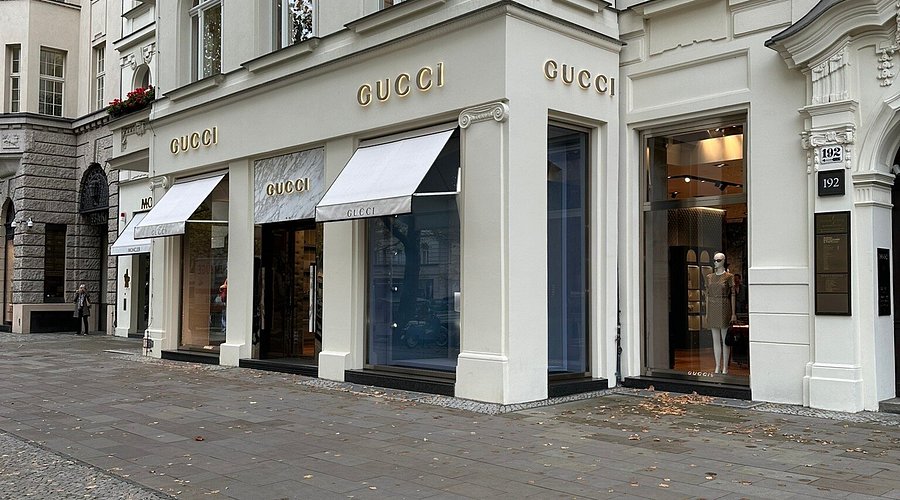
Photo: DDW Magazine
Introduction to a Shifting Wealth Order
For centuries old money dictated who held influence, respect, and access. These fortunes were protected by lineage, social clubs, inherited businesses, and unspoken rules that limited entry. Today that grip is weakening. Self made fortunes created through technology, finance, and global entrepreneurship are altering how wealth is perceived and how power is exercised. This shift is not loud or dramatic but it is structural and irreversible.
The Historical Advantage of Old Money
Old money thrived on stability. Families accumulated assets slowly through land ownership, industrial enterprises, and political proximity. Their power was not just financial but cultural. Education paths, marriage networks, and elite institutions ensured wealth stayed within a closed loop. For generations success was less about innovation and more about preservation.
Speed as the New Currency of Wealth
Self made wealth operates on speed rather than tradition. Entrepreneurs build massive valuations within a decade or even a few years. This acceleration changes everything. Wealth no longer needs time to legitimize itself. Capital now commands influence immediately through market impact, media presence, and strategic investments. Old money structures struggle to adapt to this pace.
Access Is No Longer Gatekept the Same Way
Previously access to elite circles required introductions and legacy credentials. Today capital opens doors faster than heritage ever could. Private investment opportunities, global mobility, and digital platforms allow new wealth holders to bypass traditional gatekeepers. Influence is earned through execution and scale rather than ancestry.
Cultural Authority Is Quietly Shifting
Old money once defined taste, etiquette, and acceptable ambition. That authority is eroding. Self made individuals set trends through business leadership, philanthropy models, and even lifestyle choices. The cultural narrative now celebrates builders rather than inheritors. Respect is shifting from who you come from to what you create.
Wealth Management Philosophies Are Changing
Traditional wealth focused on capital preservation and low risk continuity. New fortunes prioritize growth, optionality, and adaptability. This difference creates tension within financial institutions that were designed to serve legacy families. Advisors are now forced to rethink how wealth should be structured in a volatile and fast moving world.
Social Hierarchies Are Being Rewritten
The old hierarchy placed inherited status above earned success. That order is collapsing. High income creators and founders are forming their own networks independent of traditional elite spaces. These new circles value relevance and results over pedigree. As a result social influence is fragmenting rather than consolidating.
Why Old Money Struggles to Respond
Old money institutions move slowly by design. Their strength was patience and caution. In a world driven by innovation and global competition those traits can become liabilities. Resistance to change often results in declining relevance even if financial assets remain intact. Power without influence gradually fades.
What This Means for Aspiring Wealth Builders
This shift creates opportunity. The decline of rigid hierarchies means access is no longer limited by birth. However it also increases competition. Wealth today demands constant reinvention, public accountability, and strategic visibility. The barrier is no longer entry but endurance.
The Future of Wealth Legitimacy
Legitimacy will no longer come from history alone. It will come from contribution, adaptability, and long term impact. Old money will not disappear but it will coexist with a new class that defines power differently. The future belongs to those who can combine capital with relevance.
Closing Perspective
The loss of old money dominance is not a collapse but a redistribution of influence. Wealth is becoming more dynamic, more exposed, and more performance driven. For readers of RichReflector this marks a critical moment to understand not just how wealth is built but how it now earns its place in society.



Subscribe to unlock premium content
Sed at tellus, pharetra lacus, aenean risus non nisl ultricies commodo diam aliquet arcu enim eu leo porttitor habitasse adipiscing porttitor varius ultricies facilisis viverra lacus neque.
A comprehensive guide on Agile development

10 Productivity tools that are worth checking out

Top 7 Must have management tools for productivity

A comprehensive guide on Agile development
10 Productivity tools that are worth checking out
A comprehensive guide on Agile development