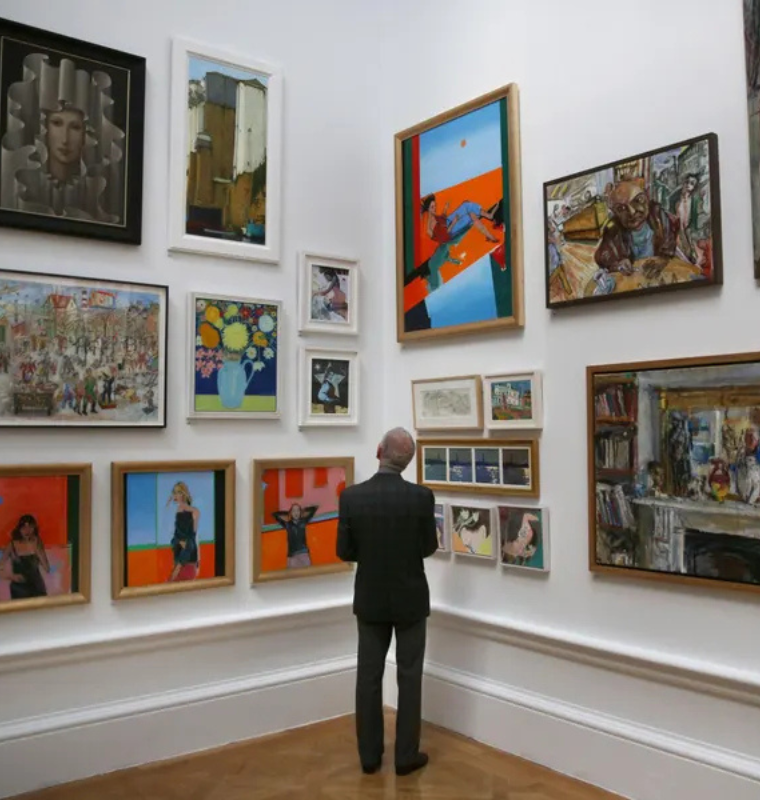

Private Art Vault Memberships Rise as Collectors Seek Museum Grade Security and Discreet Ownership
By
Maya K.
Last updated:
April 23, 2026
First Published:
April 25, 2026

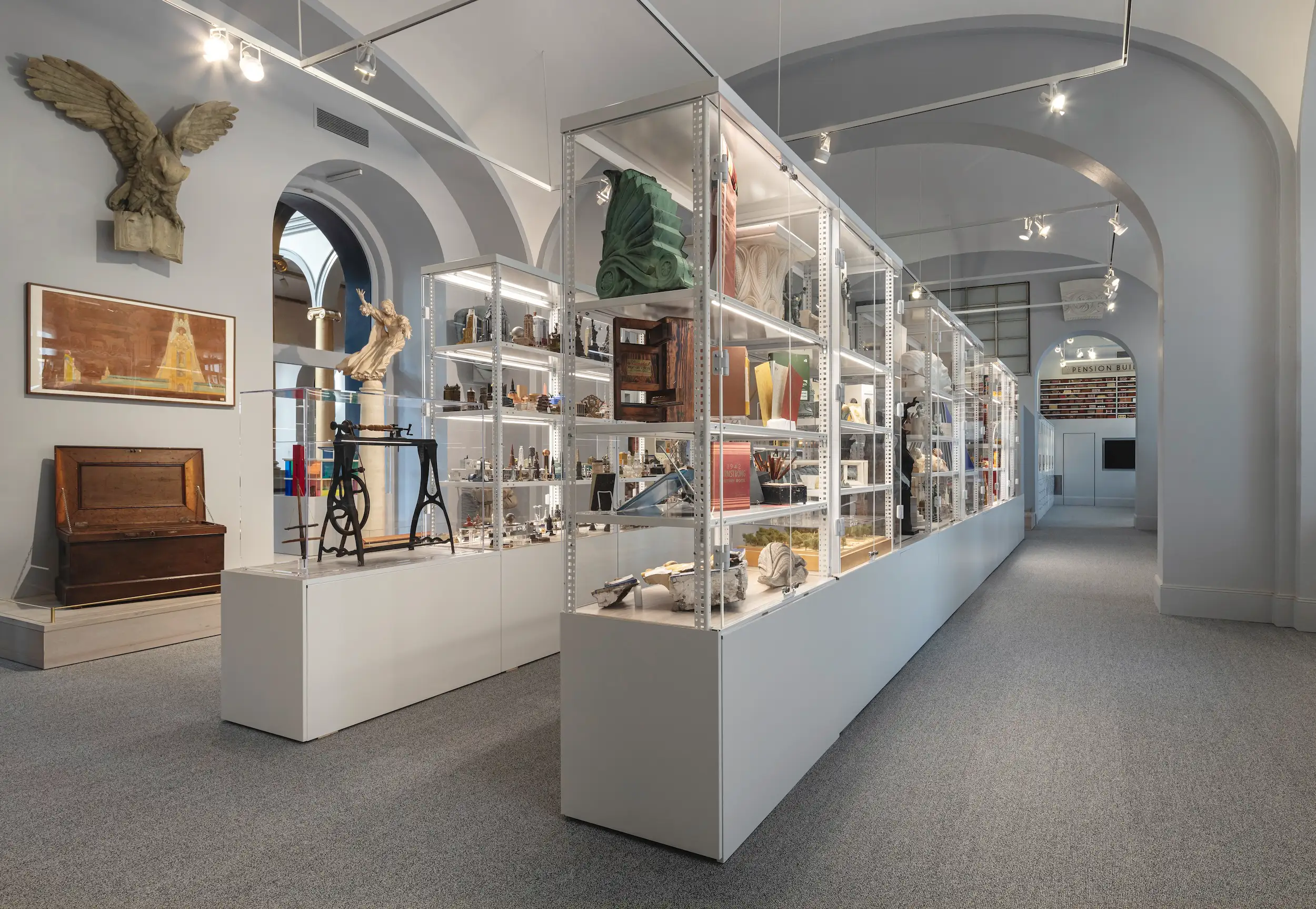
The Quiet Shift in Art Ownership Culture
The world of fine art is undergoing a subtle but powerful transformation. Traditional collecting, once defined by public exhibitions and visible displays of wealth, is increasingly giving way to private art vault memberships. These ultra exclusive facilities are changing how the wealthiest collectors interact with cultural assets, prioritizing security, discretion, and controlled access over public visibility.
From Galleries to Hidden Institutions
Art ownership is no longer confined to galleries, museums, or private homes. Instead, a new infrastructure of highly secure vault facilities has emerged, designed specifically for ultra high net worth collectors. These spaces function like private museums but without public access, allowing owners to store, manage, and experience their collections in highly controlled environments.
Museum Grade Security as a Standard
What defines these vaults is their extreme level of security. They are equipped with multi layer biometric systems, climate stabilized storage chambers, and advanced surveillance networks that operate continuously. The goal is not only protection from theft but also preservation at the highest possible standard, ensuring that artworks maintain their condition indefinitely.
Discreet Ownership in a Transparent World
In an era where visibility is constant, discreet ownership has become a luxury in itself. Private art vault memberships allow collectors to maintain anonymity while still holding significant cultural assets. This separation between ownership and public exposure appeals strongly to individuals who value privacy as much as prestige.
Controlled Access and Curated Viewing
Unlike traditional collections that are publicly exhibited, vault stored artworks are accessed on demand under highly controlled conditions. Collectors may schedule private viewings within secure rooms designed to replicate gallery quality presentation. This creates a deeply personal experience where art is engaged with in isolation rather than public context.
The Rise of Art as a Protected Asset Class
Art has increasingly become a financial and strategic asset, not just a cultural one. High value pieces are often treated as long term stores of wealth, similar to real estate or rare collectibles. Vault memberships provide infrastructure that supports this shift, offering services such as authentication tracking, insurance integration, and valuation monitoring.
Technology Driven Preservation Systems
Advanced environmental control systems are central to these facilities. Temperature, humidity, and light exposure are precisely regulated to prevent deterioration. Some vaults also incorporate digital monitoring that tracks each artwork’s condition in real time, ensuring that preservation standards remain consistent across decades.
The Emotional Dimension of Hidden Collections
Despite their secrecy, these collections remain deeply personal to their owners. For many collectors, the emotional value of owning rare masterpieces is not diminished by limited public exposure. Instead, it becomes more intimate, with art experienced in private settings that allow for deeper personal reflection and connection.
Exclusivity Through Membership Structures
Access to private art vaults is typically structured through invitation only membership systems. These memberships are limited, highly selective, and often require existing relationships within elite collector networks. This creates a layered ecosystem where access itself becomes a symbol of cultural status and financial power.
Digital Integration and Virtual Access Layers
Some vault systems now incorporate digital interfaces that allow owners to view high resolution representations of their collections remotely. These systems are carefully secured and designed to replicate the viewing experience while maintaining strict confidentiality. This fusion of physical storage and digital access reflects a modern approach to collecting.
Art as a Silent Expression of Wealth
Unlike luxury cars or visible real estate, vault stored art collections are rarely seen by the public. This invisibility enhances their appeal among ultra wealthy individuals who prefer subtle expressions of status. The value lies not in display but in ownership, rarity, and the ability to control access entirely.
A New Infrastructure for Cultural Power
Private art vaults are more than storage facilities. They represent a parallel cultural infrastructure where the most valuable artworks are preserved outside traditional institutions. This shift subtly redefines who controls access to cultural heritage, moving influence from public museums to private networks of collectors.
The Future of Private Collecting
As wealth concentration and security concerns continue to evolve, private art vault memberships are likely to expand further. They represent a convergence of finance, technology, and culture, creating a new model of collecting that prioritizes preservation, privacy, and exclusivity over visibility.
Luxury Redefined Through Absence of Display
In this emerging landscape, luxury is no longer defined by how widely something is seen, but by how carefully it is protected and selectively revealed. Private art vault memberships embody this philosophy, turning invisibility itself into one of the most powerful status symbols in the world of elite collecting.



Subscribe to unlock premium content
Sed at tellus, pharetra lacus, aenean risus non nisl ultricies commodo diam aliquet arcu enim eu leo porttitor habitasse adipiscing porttitor varius ultricies facilisis viverra lacus neque.
A comprehensive guide on Agile development

10 Productivity tools that are worth checking out

Top 7 Must have management tools for productivity

A comprehensive guide on Agile development
10 Productivity tools that are worth checking out
A comprehensive guide on Agile development