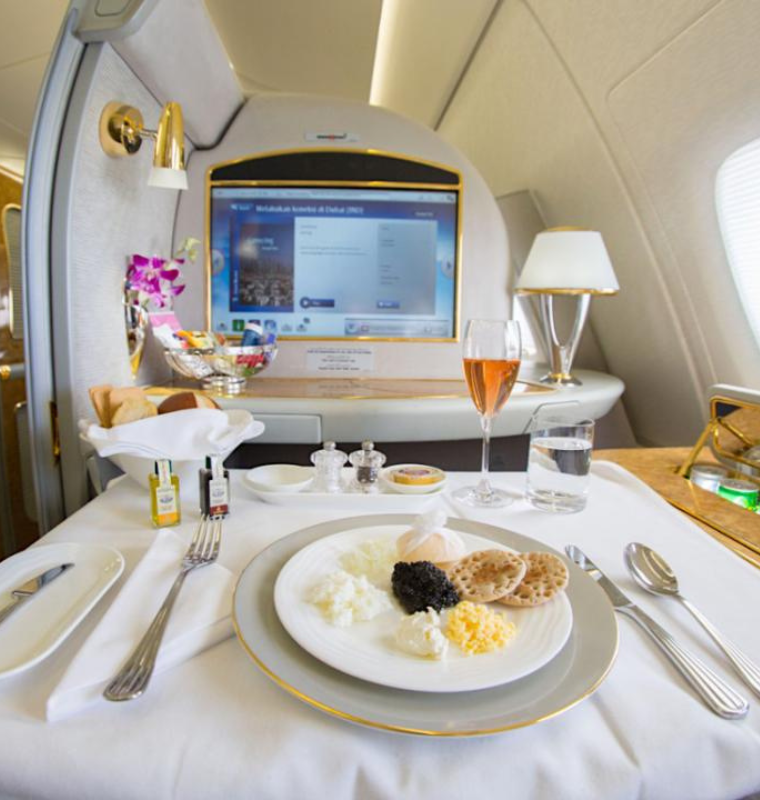

Private Culinary Architects Rise as the Ultra Rich Build Personal Michelin Level Dining Ecosystems Inside Their Estates
By
Maya K.
Last updated:
April 21, 2026
First Published:
April 21, 2026

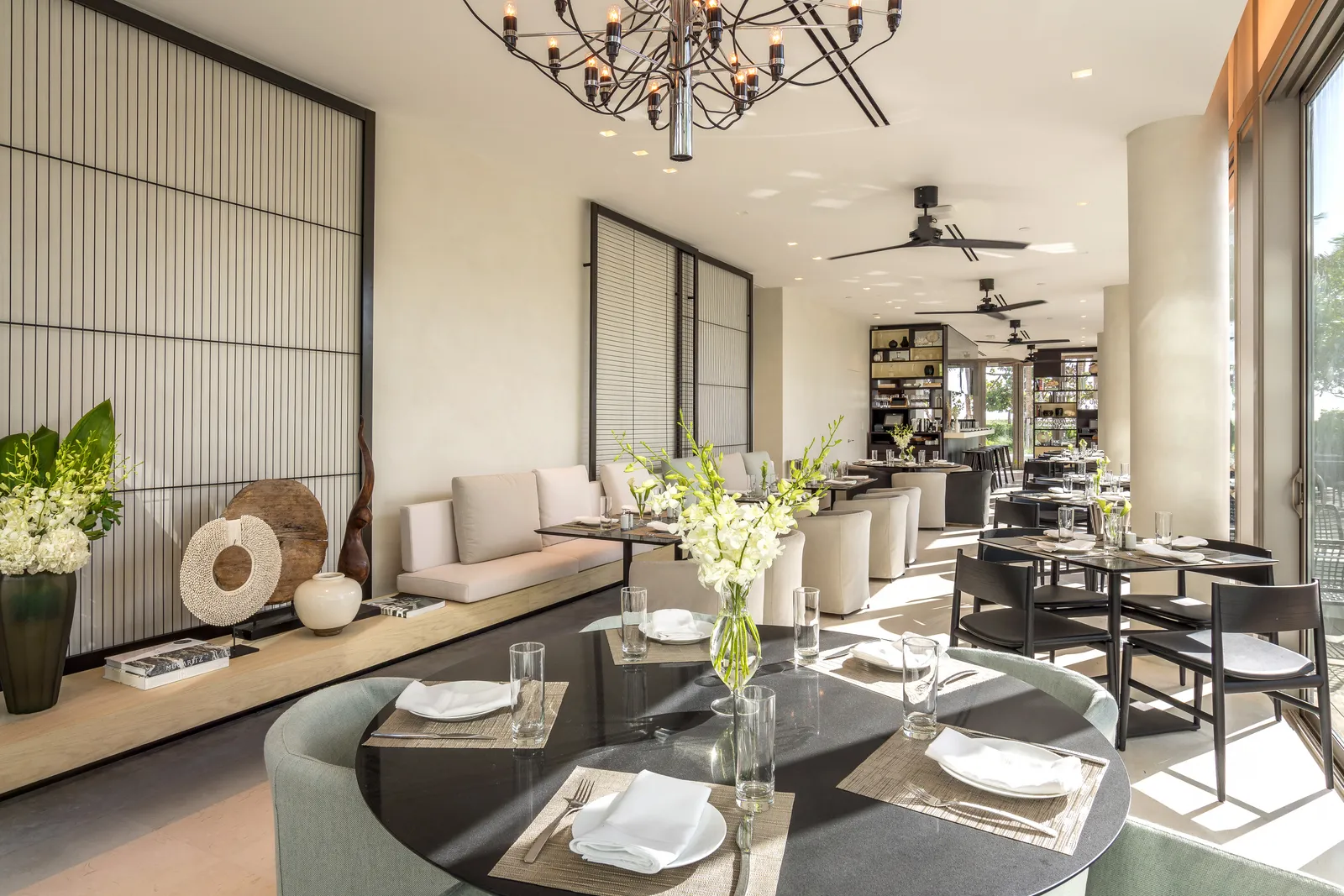
Photo: Architectural Digest
The Emergence of Private Culinary Ecosystems
A new form of luxury living is taking shape where dining is no longer an occasional experience outside the home but a fully integrated ecosystem within private estates. Ultra high net worth individuals are now commissioning entire culinary infrastructures staffed by elite chefs, food scientists, and sensory designers. These systems operate like private restaurants embedded into residences, offering Michelin level dining at any moment of the day without leaving the property.
The Rise of the Culinary Architect
At the center of this shift is a new professional figure known informally as the culinary architect. Unlike traditional chefs who focus on menu creation alone, these specialists design entire gastronomic environments. They plan kitchen layouts, ingredient sourcing networks, sensory lighting, aroma control systems, and even emotional dining sequences. Their work transforms food preparation into a structured lifestyle experience rather than a simple service.
Hyper Personalized Menus Driven by Data
Dining within these private ecosystems is highly personalized. Advanced data systems analyze health metrics, mood patterns, travel history, and even seasonal preferences to design menus tailored to each individual moment. Meals are not repeated unless desired and often evolve based on physiological feedback. This creates a dynamic culinary environment where food becomes responsive rather than static.
Private Ingredient Supply Chains
To support such exclusivity, many estates maintain private ingredient supply networks. These include controlled organic farms, hydroponic greenhouses, and specialized import channels that deliver rare or region specific products directly to the estate. Some collectors even commission dedicated agricultural zones that grow ingredients exclusively for their household, ensuring absolute control over quality and origin.
Michelin Level Dining Without External Restaurants
The traditional role of restaurants is being reimagined. Instead of traveling to Michelin starred establishments, the ultra wealthy are bringing that level of expertise into their homes. Entire teams of award winning chefs relocate temporarily or permanently to private estates, creating rotating culinary programs that rival or exceed public fine dining experiences. The estate itself becomes a living Michelin grade venue.
Experimental Gastronomy as an Art Form
Within these environments, food is increasingly treated as a form of artistic expression. Chefs experiment with molecular gastronomy, sensory pairing, and multi dimensional flavor architecture. Dishes are designed not only for taste but also for emotional and psychological impact. Dining becomes a curated journey where each course contributes to a larger narrative experience.
Integrated Wellness and Nutrition Systems
These culinary ecosystems are deeply connected to wellness infrastructure. Nutritionists and medical experts collaborate with chefs to ensure that meals support long term health goals while maintaining luxury standards. Food is often aligned with biometric tracking systems that adjust macronutrients, hydration levels, and energy output based on daily activity patterns.
The Role of Technology in Private Dining
Technology plays a silent but essential role in these kitchens. AI assisted cooking systems, precision temperature controls, and automated preparation tools allow for consistency and experimentation at scale. However, human chefs remain central, using technology as an extension of creativity rather than a replacement for it.
Dining as a Social and Private Statement
For ultra wealthy families, private dining ecosystems also serve a social function. Hosting guests within these environments becomes an expression of identity and status. Each dining experience can be uniquely designed for the occasion, making every meal a curated event rather than a routine activity.
The Future of Luxury Food Culture
The rise of private culinary architecture signals a broader transformation in how luxury is experienced. Food is no longer just consumption but an integrated part of lifestyle design, health optimization, and artistic expression. As these systems evolve, the boundary between kitchen, laboratory, and dining room continues to dissolve, creating a new definition of elite living centered entirely around personalized gastronomy.


Subscribe to unlock premium content
Sed at tellus, pharetra lacus, aenean risus non nisl ultricies commodo diam aliquet arcu enim eu leo porttitor habitasse adipiscing porttitor varius ultricies facilisis viverra lacus neque.
A comprehensive guide on Agile development

10 Productivity tools that are worth checking out

Top 7 Must have management tools for productivity

A comprehensive guide on Agile development
10 Productivity tools that are worth checking out
A comprehensive guide on Agile development