
Private Jets, Superyachts and Global Living: How the World’s Wealthiest Are Redefining Luxury in 2026
By
Maya K.
Last updated:
June 8, 2026
First Published:
June 8, 2026

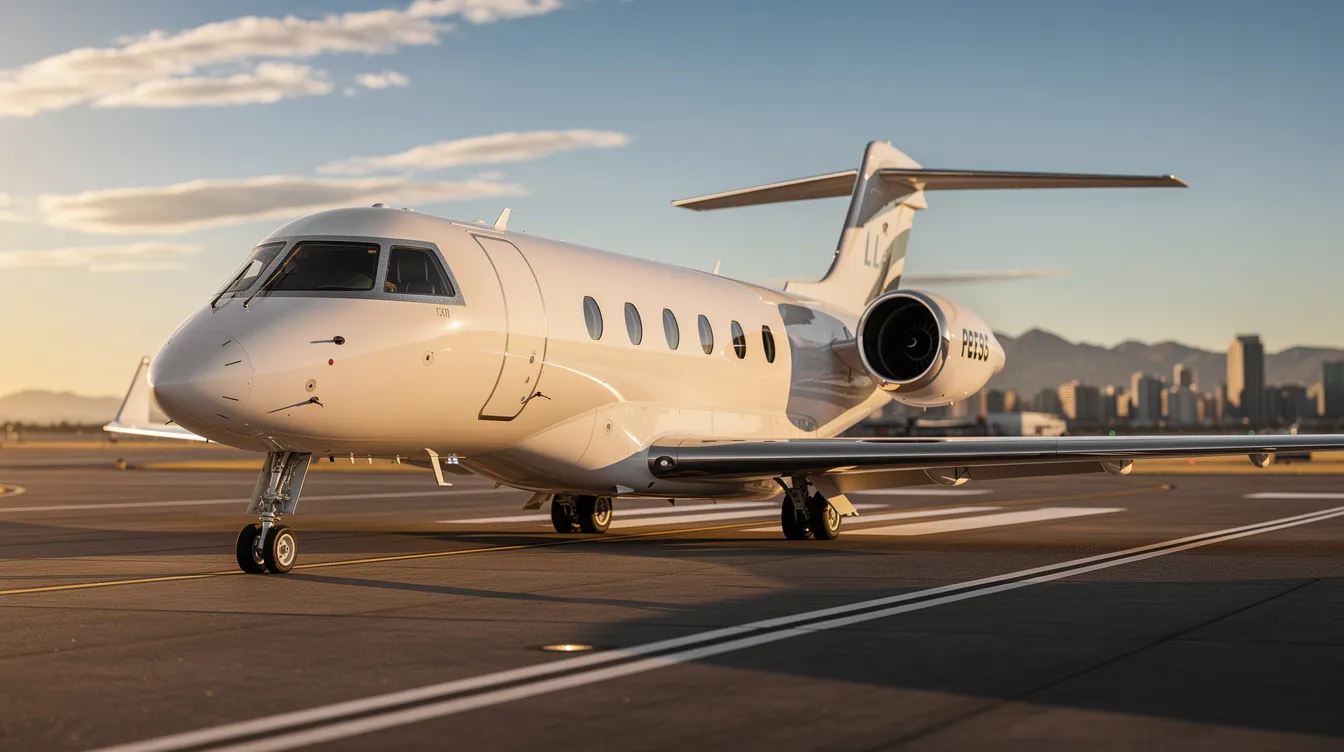
Photo: BlackJet
A Lifestyle Defined by Total Mobility
In 2026, luxury is increasingly defined by freedom of movement rather than stationary possessions. The world’s wealthiest individuals are no longer tied to one location, one home, or even one country. Instead, they are embracing a fully global lifestyle built around seamless mobility.
Private jets, superyachts, and bespoke travel ecosystems are now central to how ultra high net worth individuals operate. These assets are not simply status symbols but essential tools that enable efficient movement across continents, business hubs, and exclusive destinations.
Private Aviation Becomes a Personal Network
Private aviation has evolved into far more than luxury air travel. It now functions as a personalized transportation network for entrepreneurs, investors, and global executives. Aircraft ownership or fractional access allows affluent individuals to control time, privacy, and scheduling in ways commercial travel cannot match.
Modern private jets are equipped with advanced communication systems, office grade connectivity, and customized interiors designed for productivity and relaxation. Many owners treat their aircraft as extensions of their business environment, enabling uninterrupted work while traveling between global markets.
Superyachts as Floating Private Estates
Superyachts have become the maritime equivalent of private luxury estates. These vessels now serve as fully equipped residences that can travel across oceans while offering complete privacy and exclusivity.
High net worth individuals use superyachts not only for leisure but also for hosting private gatherings, conducting business meetings, and exploring remote destinations. On board amenities often include wellness centers, cinemas, spas, helipads, and personalized dining experiences curated by private chefs.
The increasing sophistication of yacht design reflects a growing demand for self contained environments that combine luxury, autonomy, and mobility.
Global Living Becomes the New Standard
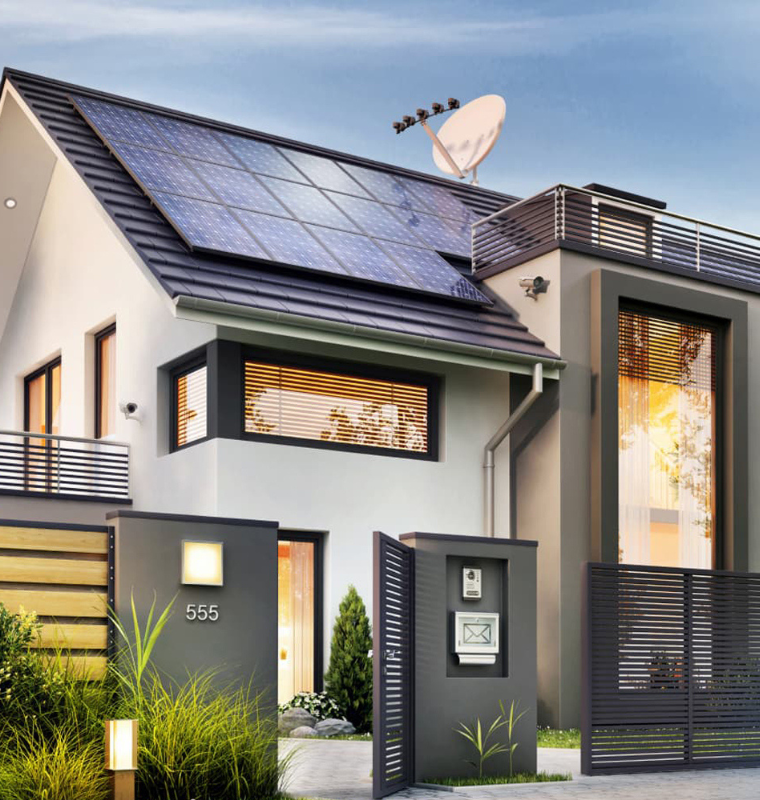
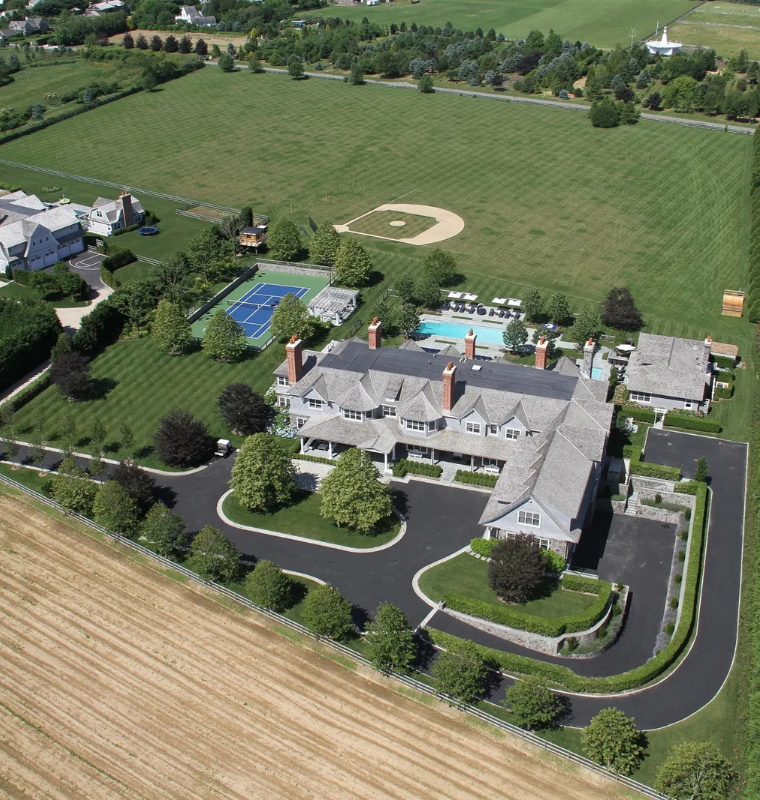
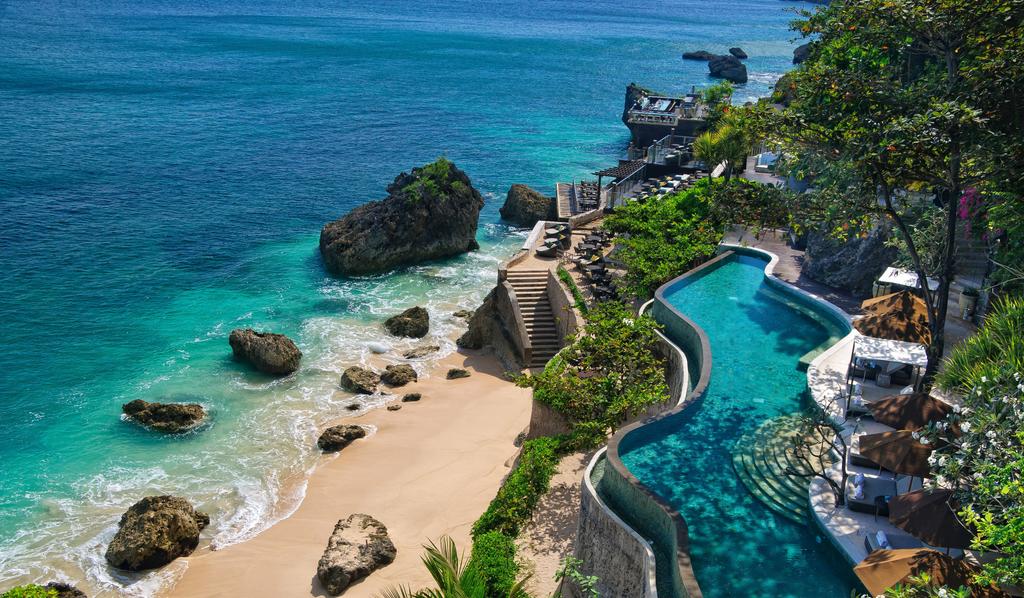
The concept of a fixed primary residence is becoming less relevant among the ultra wealthy. Instead, many affluent individuals now maintain multiple residences across key global cities such as financial hubs, cultural centers, and coastal retreats.
This global living model allows for seasonal migration based on business needs, climate preferences, and lifestyle choices. It also provides access to diverse investment opportunities and international networks.
As a result, homes are no longer just places to live but strategic nodes within a global lifestyle system.
Time Optimization Drives Luxury Choices
For the ultra wealthy, time is the most valuable resource. Luxury spending decisions are increasingly guided by how effectively a product or service saves time or enhances productivity.
Private aviation reduces travel delays, superyachts provide self contained mobility, and luxury concierge services eliminate logistical friction. Every aspect of the modern elite lifestyle is designed to maximize efficiency while minimizing disruption.
This focus on time optimization has become a defining feature of contemporary wealth culture.
The Rise of Bespoke Travel Ecosystems
Luxury travel in 2026 is no longer limited to booking flights or hotels. Instead, wealthy individuals rely on fully integrated travel ecosystems that manage every aspect of their journey.
These systems include private terminals, personalized immigration services, dedicated ground transport, and curated destination experiences. Every detail is tailored to individual preferences, ensuring consistency and comfort across international travel.
This level of customization reflects a broader shift toward hyper personalized luxury experiences.
Wellness at Sea and in the Sky
Health and wellness have become essential components of elite travel. Private jets and superyachts now commonly include fitness equipment, spa facilities, and wellness focused design features.
On board wellness programs may include personal trainers, nutrition specialists, and mental health support services. These features ensure that travel does not interrupt physical or mental wellbeing, but instead supports it.
As wellness becomes central to luxury living, mobility platforms are adapting to meet these expectations.
Sustainability Pressures Influence Luxury Transport
Despite continued demand for private aviation and yachting, environmental concerns are increasingly shaping industry innovation. Manufacturers and service providers are investing in more fuel efficient technologies, sustainable materials, and alternative energy solutions.
Wealthy consumers are also showing growing interest in carbon offset programs and environmentally conscious travel options. While exclusivity remains a priority, sustainability is becoming an important factor in decision making.
This dual focus is driving gradual transformation within the luxury mobility sector.
Technology Powers Seamless Global Movement
Advanced technology is the backbone of modern luxury mobility. Real time scheduling systems, AI powered concierge platforms, biometric security, and predictive logistics are all contributing to smoother travel experiences.
These tools allow ultra wealthy individuals to move between continents with minimal friction, ensuring that every transition is carefully coordinated and highly efficient.
Technology is effectively turning global mobility into a fully managed and intelligent system.
The Future of Elite Mobility
Looking ahead, private aviation and maritime luxury are expected to continue evolving alongside broader wealth creation trends. As new industries generate additional high net worth individuals, demand for personalized global mobility solutions will remain strong.
Future innovations are likely to focus on greater automation, improved sustainability, and even more personalized travel environments. The definition of luxury mobility will continue to shift toward greater efficiency, privacy, and seamless integration.
Ultimately, global living is no longer an aspiration for the wealthy. It has become a structured lifestyle supported by advanced infrastructure, technology, and design.

Subscribe to unlock premium content
Sed at tellus, pharetra lacus, aenean risus non nisl ultricies commodo diam aliquet arcu enim eu leo porttitor habitasse adipiscing porttitor varius ultricies facilisis viverra lacus neque.
A comprehensive guide on Agile development

10 Productivity tools that are worth checking out
Top 7 Must have management tools for productivity

A comprehensive guide on Agile development
10 Productivity tools that are worth checking out
A comprehensive guide on Agile development