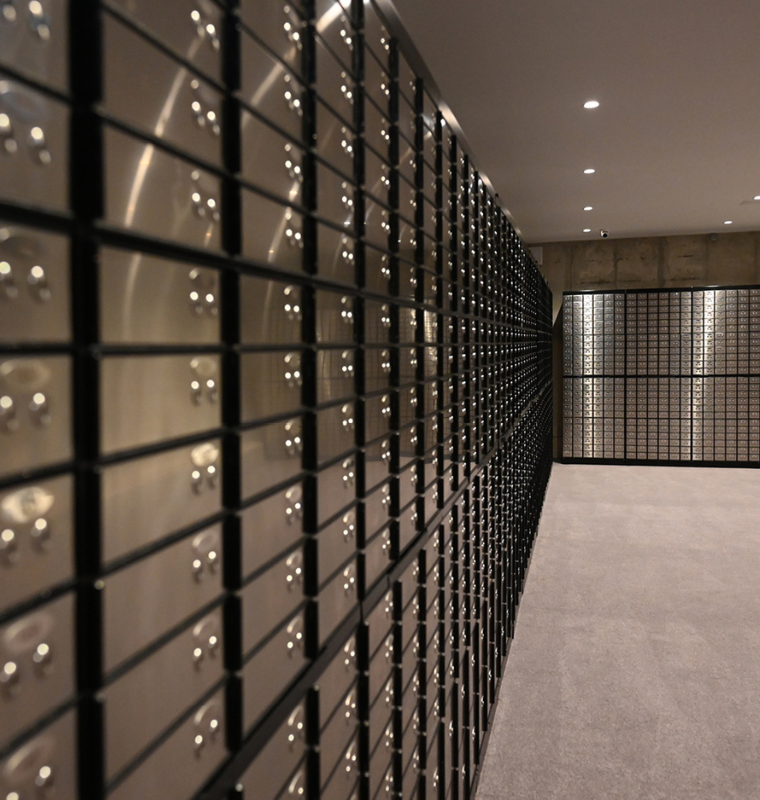

Private Members Only Cities Redefine Citizenship and Ultra Luxury Living in the Middle East
By
John Carter
Last updated:
April 27, 2026
First Published:
April 27, 2026

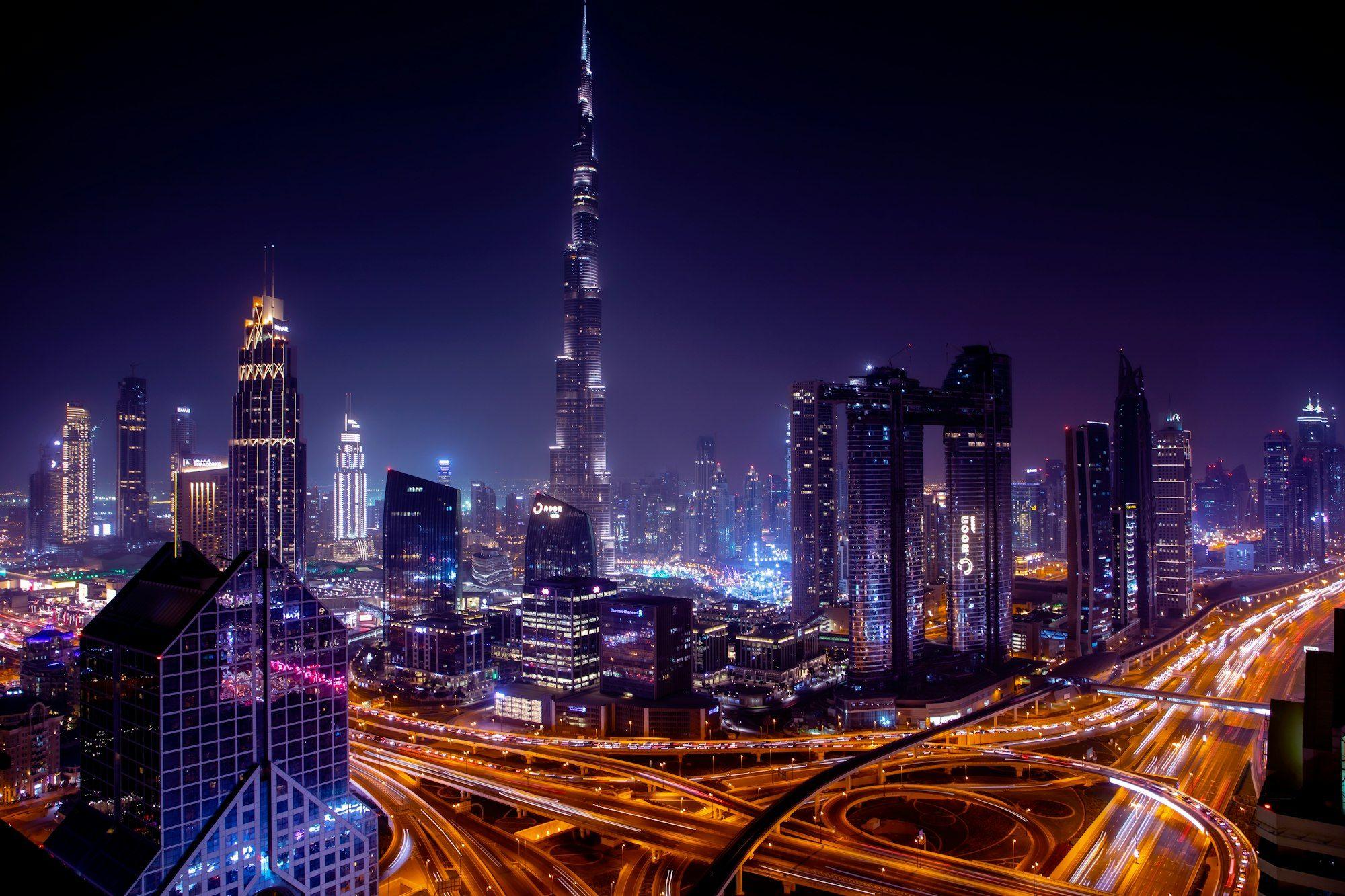
Photo: CitizenX
A New Model of Urban Exclusivity
A new form of urban development is quietly reshaping how the ultra wealthy think about cities. Private members only cities in the Middle East are being designed as fully controlled environments where access is restricted and residency is tied to significant financial investment. These developments are not traditional cities in the conventional sense but highly curated ecosystems built around exclusivity, privacy, and elite living standards.
Citizenship as a Premium Asset
One of the most defining features of these cities is the integration of citizenship by investment frameworks. Wealthy individuals are offered pathways to residency or citizenship in exchange for substantial economic contributions. This transforms citizenship into a strategic asset rather than a purely geographic or cultural identity. For many participants, it represents mobility, security, and access to a highly curated lifestyle environment.
Architecting Controlled Luxury Environments
These cities are carefully planned from the ground up with strict controls on population density, architecture, and services. Every district is designed to maintain aesthetic harmony and operational efficiency. Unlike traditional urban expansion, growth is not organic but intentionally regulated to preserve exclusivity and ensure that residents experience consistent luxury standards across all areas.
A Lifestyle Designed Around Privacy and Comfort
Privacy is one of the most valuable currencies in these environments. Residents are provided with discreet living arrangements, secure transportation systems, and limited public access zones. The goal is to create a lifestyle where individuals can operate freely without exposure to the pressures or visibility of conventional metropolitan life.
Elite Services Embedded Into Daily Living
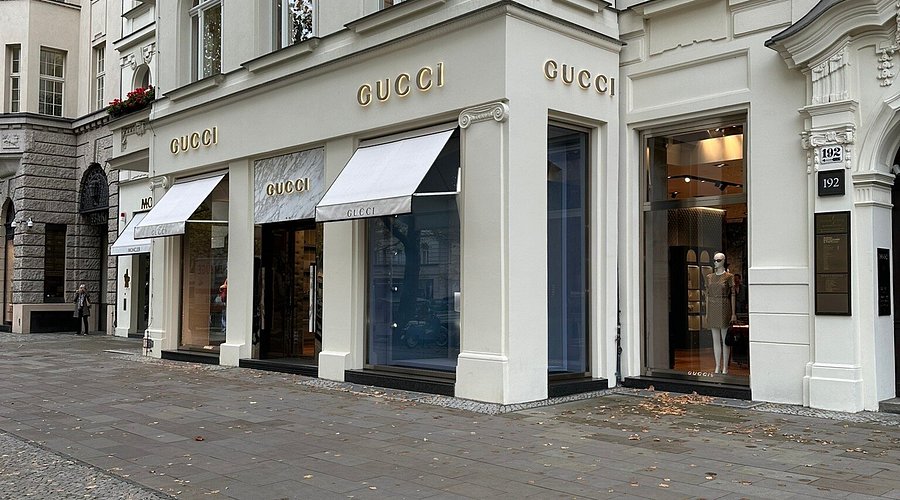
Within these cities, services are fully integrated into the residential experience. Private healthcare facilities, personalized education systems, luxury retail environments, and curated cultural institutions are all part of the ecosystem. Residents do not need to leave the city to access world class services because everything is built into the structure of the environment itself.
Economic Strategy Behind Exclusive Cities
From a development perspective, these cities serve as powerful economic instruments. They attract significant foreign investment, high value individuals, and global business activity. Governments and private developers benefit from long term capital inflows while residents gain access to a highly stable and controlled environment. This mutual value exchange drives the expansion of such projects.
Technology as the Invisible Framework
Advanced technology plays a central role in maintaining the efficiency of these cities. Smart infrastructure systems manage energy consumption, transportation flows, and security protocols. Artificial intelligence is often used to optimize urban services, ensuring that residents experience minimal friction in their daily lives while maintaining high standards of convenience and safety.
Social Structure Based on Selective Access
Unlike traditional cities where populations are diverse and open, members only cities operate on selective inclusion. Entry is often governed by investment thresholds, professional achievements, or strategic affiliations. This creates a highly curated social environment where residents share similar economic and lifestyle profiles, reinforcing exclusivity.
Cultural and Recreational Engineering
Entertainment and cultural experiences within these cities are carefully designed rather than organically evolved. Private galleries, invitation only events, and curated festivals are organized to align with the preferences of the resident population. This ensures that leisure activities maintain a consistent level of sophistication and exclusivity.
Security as a Foundational Principle
Security is deeply embedded into the structure of these cities. Surveillance systems, controlled access points, and integrated emergency response networks are standard features. The emphasis is not on visible enforcement but on seamless protection that allows residents to move freely without concern for external risks.
The Appeal of Predictable Luxury
One of the strongest attractions of these environments is predictability. In a world where external conditions can be volatile, these cities offer a stable and controlled setting. Residents know that services, infrastructure, and lifestyle standards will remain consistent regardless of broader global changes.
A New Definition of Global Mobility
Citizenship by investment within these cities also enhances global mobility. Individuals gain access to new networks, travel privileges, and financial ecosystems that extend beyond traditional national boundaries. This redefines what it means to be globally mobile in the modern era.
Conclusion The Future of Curated Urban Living
Private members only cities in the Middle East represent a significant shift in how wealth, space, and identity intersect. They combine governance, luxury, and exclusivity into a single structured environment designed for the global elite. As these projects continue to expand, they may redefine the concept of urban living itself, turning cities into fully curated experiences rather than open public spaces.


Subscribe to unlock premium content
Sed at tellus, pharetra lacus, aenean risus non nisl ultricies commodo diam aliquet arcu enim eu leo porttitor habitasse adipiscing porttitor varius ultricies facilisis viverra lacus neque.
A comprehensive guide on Agile development

10 Productivity tools that are worth checking out

Top 7 Must have management tools for productivity

A comprehensive guide on Agile development
10 Productivity tools that are worth checking out
A comprehensive guide on Agile development