
Private Sovereign Wealth Families Accelerate Silent Rotation Into Hard Assets Amid Rising Currency Volatility in Offshore Markets
By
John Carter
Last updated:
May 22, 2026
First Published:
May 22, 2026

.webp)
Photo: Bloomberg.com
Overview Shift in Global Wealth Positioning
A noticeable transformation is underway within the highest tiers of global wealth management. Sovereign linked families and ultra affluent private capital groups are increasingly reducing exposure to liquid financial instruments and redirecting capital toward hard assets. This movement is being shaped by concerns around currency instability, cross border regulatory tightening, and long term uncertainty in offshore financial centers.
Currency Volatility as a Primary Catalyst
Foreign exchange fluctuations across major and emerging economies have intensified strategic caution among private wealth allocators. Rather than relying on traditional currency hedging alone, many are diversifying into physical assets that are less sensitive to monetary policy shifts. This includes real estate, energy infrastructure, rare commodities, and collectible stores of value.
Hard Assets as a Wealth Preservation Strategy
Hard assets are becoming central to long horizon wealth preservation frameworks. These assets are valued not only for potential appreciation but also for their relative insulation from digital system disruptions and sovereign monetary interventions. Wealth managers serving elite families are prioritizing asset classes that maintain intrinsic value across geopolitical cycles.
Rise of Offshore Asset Redistribution Models
Offshore financial hubs continue to play a role, but their function is evolving. Instead of acting purely as banking centers, they are increasingly serving as coordination points for asset distribution across multiple jurisdictions. This reduces concentration risk and allows families to structure holdings across diversified legal environments.
Real Estate as a Core Anchor Asset
Luxury real estate remains one of the most significant recipients of reallocated capital. However, the focus is shifting from high visibility urban properties toward discreet, security enhanced estates and strategically located international holdings. Privacy, jurisdictional stability, and long term governance structures are now key decision drivers.
Commodities and Strategic Resource Accumulation
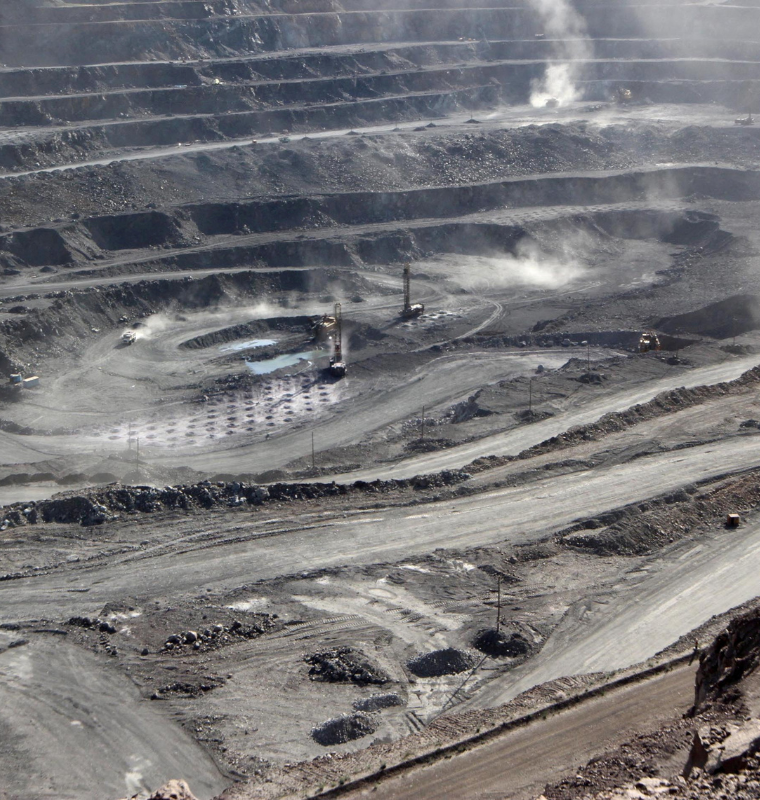
Beyond property, there is increased interest in commodities with industrial and technological importance. Rare earth materials, energy related resources, and agricultural land are being incorporated into diversified portfolios. These assets are seen as essential inputs in future global economic systems.
Private Market Investments Expanding in Influence
Private equity and direct ownership stakes in infrastructure projects are gaining prominence within sovereign style portfolios. These investments offer greater control and reduced exposure to public market volatility. They also allow wealth holders to align capital with long term strategic sectors rather than short term market sentiment.
Role of Family Offices in Asset Transition
Family offices are acting as operational engines behind this shift. They are deploying specialized teams focused on jurisdictional law, asset custody, and cross border structuring. Their role is becoming more active, moving beyond advisory functions into direct execution of global asset repositioning strategies.
Privacy and Risk Mitigation as Core Priorities
A defining feature of this wealth movement is the emphasis on privacy. Wealth holders are increasingly sensitive to transparency requirements and data exposure risks. As a result, asset ownership structures are being designed to reduce visibility while maintaining full operational control.
Long Horizon Wealth Architecture
The overall direction suggests a shift toward what can be described as long horizon wealth architecture. This approach prioritizes resilience across decades rather than short term financial performance. It integrates physical assets, jurisdictional diversification, and strategic resource ownership into a unified preservation model.
Conclusion on the Strategic Rotation of Capital
The silent rotation into hard assets reflects a broader recalibration of how extreme wealth is managed in a volatile global environment. Rather than reacting to immediate market conditions, sovereign linked capital is increasingly positioning itself for structural stability and generational continuity.



Subscribe to unlock premium content
Sed at tellus, pharetra lacus, aenean risus non nisl ultricies commodo diam aliquet arcu enim eu leo porttitor habitasse adipiscing porttitor varius ultricies facilisis viverra lacus neque.
A comprehensive guide on Agile development

10 Productivity tools that are worth checking out

Top 7 Must have management tools for productivity

A comprehensive guide on Agile development
10 Productivity tools that are worth checking out
A comprehensive guide on Agile development