

Private Wealth Advisors Flag Rapid Expansion of Offshore Art Storage Facilities Across Europe and Asia
By
Maya K.
Last updated:
May 26, 2026
First Published:
May 26, 2026

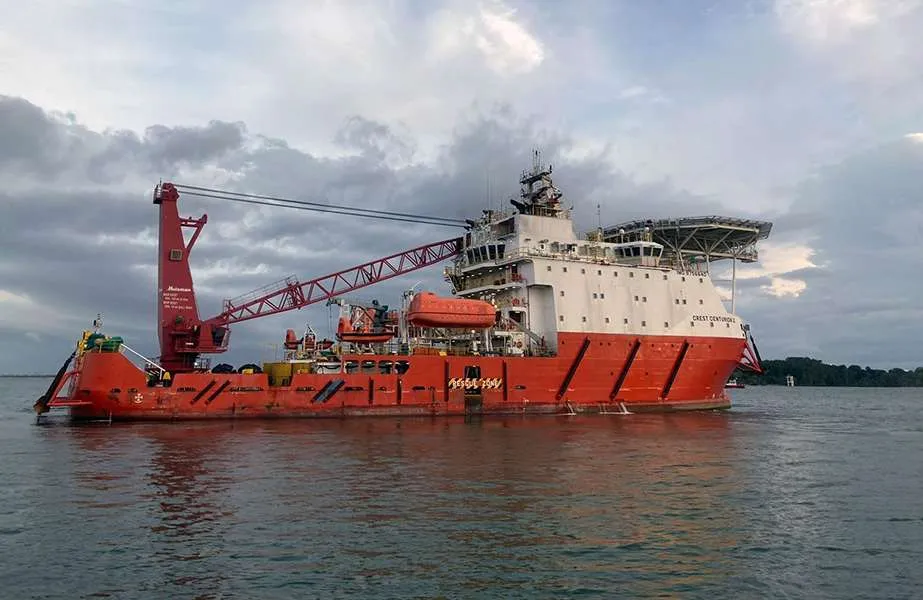
Photo: The Maritime Standard
A Growing Trend Among Global Wealth Holders
Private wealth advisors are increasingly drawing attention to the rapid growth of offshore art storage facilities throughout Europe and Asia. What was once considered a niche service used primarily by elite collectors has evolved into a major component of wealth management strategies for high net worth and ultra high net worth individuals.
As global wealth continues to rise and art collections become more valuable, affluent families are seeking secure and efficient ways to protect their cultural assets. Offshore storage facilities have emerged as a preferred solution, offering advanced security, climate controlled environments, and strategic locations that support international ownership.
This growing demand reflects a broader shift in how wealthy individuals view fine art. No longer seen solely as a passion purchase, art is increasingly being treated as an important component of diversified wealth portfolios.
Fine Art Becomes a Serious Financial Asset
Over the past decade, fine art has attracted growing interest from investors seeking alternatives to traditional financial markets. While stocks, bonds, and real estate remain essential components of wealth preservation, many affluent individuals have expanded their portfolios to include rare paintings, sculptures, historical artifacts, and contemporary masterpieces.
Art offers unique advantages that appeal to sophisticated investors. Exceptional works can maintain cultural significance for generations, often preserving value during periods of economic uncertainty. In some cases, rare pieces have achieved remarkable appreciation over time, attracting further attention from family offices and private wealth advisors.
As collections grow larger and more valuable, proper storage becomes a critical aspect of asset protection.
Why Offshore Storage Facilities Are Expanding
The increasing popularity of offshore art storage facilities is driven by several factors. Wealthy collectors often own works acquired from international auctions, galleries, and private sales across multiple countries. Managing these collections requires secure infrastructure capable of accommodating valuable assets under optimal conditions.
Offshore facilities provide highly specialized environments designed to protect art from environmental damage, theft, and deterioration. Advanced climate control systems carefully regulate temperature and humidity levels, ensuring that fragile works remain preserved for decades.
These facilities also offer logistical advantages by serving as central hubs for international collections, simplifying transportation and management for globally active collectors.
Europe Remains a Major Art Storage Hub
Several European financial and cultural centers have become important destinations for offshore art storage. The region's strong infrastructure, established legal systems, and long history of art collecting make it particularly attractive to affluent clients.
Collectors often appreciate the ability to store valuable pieces near major auction houses, galleries, museums, and art fairs. This proximity allows for efficient transactions and exhibition opportunities while maintaining high levels of security.
European facilities continue to attract collectors from around the world who view the region as a stable and prestigious location for preserving cultural assets.
Asia Emerges as a Powerful Growth Market
While Europe has traditionally dominated the art storage sector, Asia is rapidly emerging as a major player. Rising wealth across several Asian economies has fueled significant growth in luxury collecting, creating strong demand for specialized storage solutions.
Many wealthy families and collectors within the region are building extensive collections that include both Western and Asian masterpieces. As a result, investment in high quality storage infrastructure has accelerated.
Asian facilities increasingly rival their European counterparts in terms of security, technology, and service quality. This development reflects the broader rise of Asia as a major force within the global luxury and wealth management industries.
Security Standards Reach Extraordinary Levels
One of the primary reasons collectors choose offshore storage facilities is the exceptional level of security they provide. These facilities are designed specifically to protect assets that may be worth millions or even hundreds of millions of dollars.
Advanced surveillance systems, biometric access controls, secure transportation protocols, and around the clock monitoring are now standard features. Many facilities also employ specialized security professionals trained to manage high value collections.
For affluent families concerned about protecting irreplaceable assets, these measures provide peace of mind that would be difficult to achieve through private residential storage alone.
Family Offices Are Increasingly Involved
Family offices have become major participants in the art storage market. As organizations responsible for managing multi generational wealth, they often oversee substantial collections that require professional management.
Many family offices now treat art in the same manner as other significant investments. Collection management includes acquisition planning, valuation assessments, insurance coordination, preservation strategies, and storage decisions.
The involvement of family offices highlights the growing importance of art as a formal asset class within sophisticated wealth management frameworks.
Art Loans and Financial Flexibility
An important factor contributing to the popularity of offshore storage facilities is their role within art backed financing arrangements. Wealthy collectors increasingly use valuable artworks as collateral to secure loans and enhance liquidity.
Professional storage environments provide lenders with confidence that assets are being maintained under optimal conditions. This makes it easier for collectors to access financing while retaining ownership of important works.
As art lending continues to grow, storage facilities are becoming essential components of broader financial planning strategies for affluent individuals.
Technology Modernizes Collection Management
Technological innovation is transforming how art collections are monitored and managed. Modern storage facilities employ advanced digital systems that track inventory, monitor environmental conditions, and document ownership records.
Collectors and advisors can often access detailed information about stored works through secure digital platforms. These systems improve transparency while simplifying administrative responsibilities associated with large collections.
Technology is helping bridge the gap between traditional art collecting and modern wealth management, creating more efficient ways to preserve and manage valuable cultural assets.
Wealth Preservation Through Tangible Assets
Periods of economic uncertainty often encourage investors to seek assets that possess intrinsic value. Fine art has long attracted interest because it combines cultural significance with tangible ownership.
Unlike purely financial instruments, exceptional artworks can retain appeal regardless of market fluctuations. Their uniqueness and historical importance often contribute to long term desirability among collectors.
This perception has strengthened demand for professional storage services as wealthy individuals seek to protect assets that may play important roles in future wealth preservation strategies.
The Future of Global Art Storage
Industry experts expect continued expansion within the offshore art storage sector. As global wealth grows and collecting activity remains strong, demand for secure facilities is likely to increase further.
New facilities are expected to incorporate even more advanced technologies, sustainability initiatives, and customized services tailored to the needs of affluent clients. Competition among providers may also lead to enhanced offerings and improved client experiences.
The sector's growth reflects the increasing sophistication of modern wealth management and the expanding role of alternative assets within diversified portfolios.
The rapid expansion of offshore art storage facilities across Europe and Asia highlights a significant evolution in how wealthy individuals manage and protect their assets. Fine art is no longer viewed solely as a personal passion or cultural interest. It has become an increasingly important component of long term wealth preservation and portfolio diversification.
As collectors, family offices, and private wealth advisors continue to embrace art as a strategic asset, demand for professional storage solutions is expected to remain strong. Secure facilities offering advanced preservation, exceptional security, and global accessibility are becoming essential infrastructure within the modern wealth ecosystem.
For many affluent families, protecting valuable artworks is no longer simply about safeguarding cultural treasures. It is about preserving wealth, legacy, and opportunity for future generations.


Subscribe to unlock premium content
Sed at tellus, pharetra lacus, aenean risus non nisl ultricies commodo diam aliquet arcu enim eu leo porttitor habitasse adipiscing porttitor varius ultricies facilisis viverra lacus neque.
A comprehensive guide on Agile development

10 Productivity tools that are worth checking out

Top 7 Must have management tools for productivity

A comprehensive guide on Agile development
10 Productivity tools that are worth checking out
A comprehensive guide on Agile development