

Rare Art and Collectibles Market Hits New Records Driven by Young Wealthy Investors
By
John Carter
Last updated:
April 27, 2026
First Published:
April 27, 2026


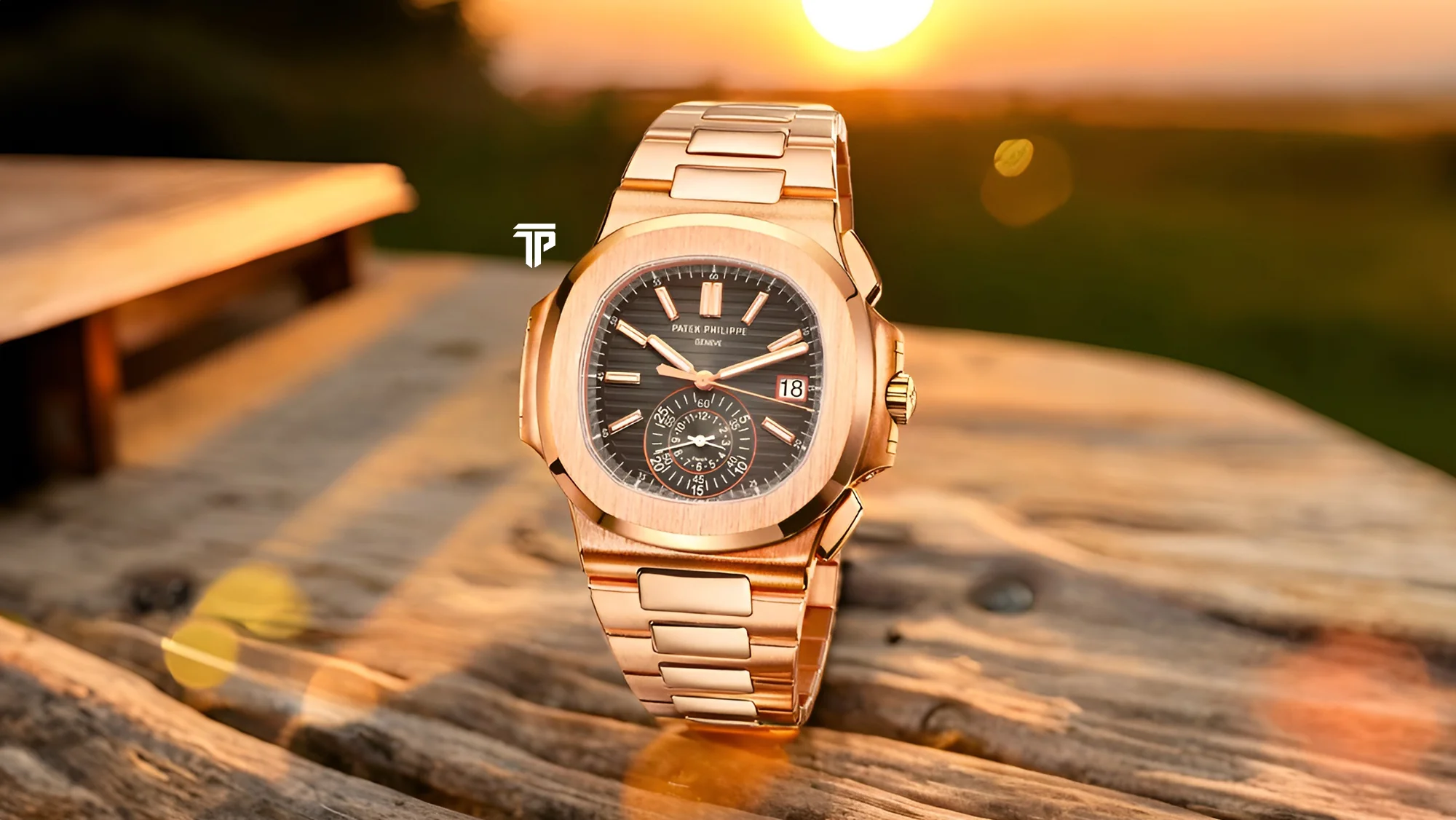
Photo: Ronati
A Powerful Shift in the Global Collectibles Landscape
The rare art and collectibles market is experiencing an unprecedented surge as a new generation of wealthy investors enters the space with confidence and ambition. In 2026, record breaking sales are becoming increasingly common, fueled by individuals who view collectibles not only as aesthetic assets but also as strategic components of their wealth portfolios. This shift is redefining how value is perceived in the world of art and rare objects.
The Rise of Young Wealth in Cultural Markets
Younger high net worth individuals are bringing fresh perspectives to traditional collecting. Unlike previous generations, they are more willing to explore unconventional categories, including digital art, rare memorabilia, and niche collectibles. Their approach is less constrained by tradition and more influenced by personal passion and cultural relevance.
Emotional Investment Meets Financial Strategy
For many of these investors, the appeal of collectibles lies in the combination of emotional connection and financial potential. Owning a rare piece of art or a unique historical object offers a sense of identity and personal expression. At the same time, these assets are increasingly recognized for their ability to appreciate in value over time, making them attractive from an investment standpoint.
Technology Transforms Market Accessibility
Digital platforms and online marketplaces are playing a crucial role in expanding access to the collectibles market. Investors can now discover, evaluate, and acquire rare items from anywhere in the world. This increased accessibility has contributed to higher levels of participation and competition, driving prices to new heights.
Auction Houses Adapt to a Changing Audience
Traditional auction houses are evolving to meet the expectations of younger buyers. They are incorporating digital bidding systems, immersive viewing experiences, and curated collections that appeal to modern tastes. This transformation is helping bridge the gap between heritage institutions and a new wave of collectors.
The Influence of Cultural Trends on Valuation
Cultural relevance is becoming a major factor in determining the value of collectibles. Items associated with significant moments in music, film, fashion, and technology are gaining popularity. Younger investors are particularly drawn to pieces that reflect contemporary culture and personal interests, rather than solely historical significance.
Diversification Within Alternative Assets
Collectibles are increasingly viewed as a key component of alternative investment strategies. Wealthy individuals are diversifying their portfolios by allocating funds to art, rare watches, vintage cars, and other unique assets. This diversification not only enhances potential returns but also reduces exposure to traditional market fluctuations.
The Role of Social Influence and Visibility
Social media and digital communities are amplifying interest in collectibles. High profile purchases and curated collections are shared widely, inspiring others to enter the market. This visibility is contributing to a sense of momentum and excitement, further driving demand.
Challenges in Authenticity and Valuation
Despite its growth, the collectibles market presents challenges related to authenticity, provenance, and valuation. Investors must rely on expert verification and thorough research to ensure the legitimacy of their acquisitions. These complexities require a level of diligence that goes beyond traditional investing.
Long Term Perspective in Collecting
Successful collectors often adopt a long term perspective, focusing on the enduring value of their assets rather than short term gains. This approach aligns with the idea of collecting as both a passion and a legacy. Many investors aim to build collections that can be passed down through generations.
The Future of Rare Art and Collectibles
The continued involvement of young wealthy investors suggests that the market will remain dynamic and innovative. As new categories emerge and technology evolves, the definition of what constitutes a valuable collectible will continue to expand.
Conclusion: A New Era of Cultural Investment
The record breaking growth of the rare art and collectibles market reflects a broader transformation in wealth behavior. It highlights a shift toward assets that combine meaning, rarity, and financial potential. In this new era, collecting is no longer just a hobby but a sophisticated form of investment and self expression.


Subscribe to unlock premium content
Sed at tellus, pharetra lacus, aenean risus non nisl ultricies commodo diam aliquet arcu enim eu leo porttitor habitasse adipiscing porttitor varius ultricies facilisis viverra lacus neque.
A comprehensive guide on Agile development

10 Productivity tools that are worth checking out

Top 7 Must have management tools for productivity

A comprehensive guide on Agile development
10 Productivity tools that are worth checking out
A comprehensive guide on Agile development