

Rare Vintage Cars Become Status Assets for the Next Generation of Collectors
By
John Carter
Last updated:
March 8, 2026
First Published:
March 8, 2026


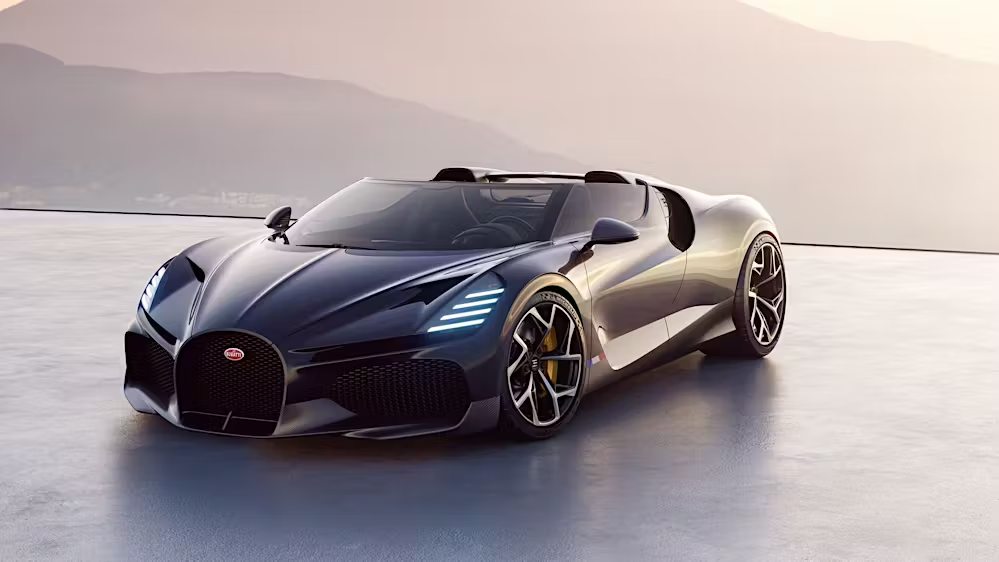
Photo: CNN
The Resurgence of Automotive Collecting
In recent years a new trend has emerged among wealthy individuals: the acquisition of rare vintage cars as symbols of status, heritage, and investment potential. Once considered niche hobbies, collectible automobiles are now viewed as valuable financial assets that combine craftsmanship, history, and exclusivity. For the younger generation of millionaires and billionaires, owning a rare car has become as much about lifestyle as it is about wealth preservation.
Collectors are increasingly seeking vehicles with limited production numbers, historical significance, or exceptional design. Classic cars from renowned brands are commanding record prices at auctions, reflecting the growing perception that they are not only objects of beauty but also assets that appreciate over time. This trend has redefined automotive collecting as a serious sector of luxury investment.
Why Vintage Cars Attract Wealthy Buyers
Several factors make rare cars particularly appealing to high net worth individuals. First, the scarcity of certain models ensures that demand exceeds supply, creating opportunities for appreciation in value. Second, cars offer tangible, tangible ownership that can be experienced through driving, showcasing, and participation in elite automotive events.
Beyond financial considerations, vintage cars provide a way for collectors to express personality, taste, and social standing. Possessing a vehicle that few others in the world can own becomes a statement of individuality and success. For many, a classic car collection is as much about identity as it is about investment.
The Role of Auctions and Private Sales
Luxury car auctions and private sales have become central to the market for rare vehicles. High profile auction houses and exclusive dealerships regularly showcase collectible automobiles to affluent buyers worldwide. Some sales achieve staggering results, with single cars selling for tens of millions of dollars, emphasizing their value as both cultural icons and financial instruments.
Private sales allow buyers to acquire highly coveted vehicles discreetly, ensuring exclusivity and privacy. For the ultra wealthy, access to these private markets is often facilitated through trusted brokers and elite networks, reinforcing the sense of rarity and prestige surrounding each acquisition.
Investment Potential and Portfolio Diversification
For family offices and private investors, rare cars are increasingly seen as an alternative asset class. Unlike stocks or real estate, high quality vintage automobiles have historically shown resilience against market volatility and can provide long term appreciation. Many investors now include collectible vehicles in diversified portfolios, combining passion with financial strategy.
Factors influencing value include historical importance, rarity, condition, provenance, and brand reputation. Vehicles associated with iconic figures, limited production runs, or significant racing history command premium prices, reflecting their dual status as both luxury and investment.
Emergence of Younger Collectors
A notable shift is occurring in the demographic of automotive collectors. Younger high net worth individuals, often from technology or entrepreneurial sectors, are entering the market with enthusiasm. They are drawn not only by the financial upside but also by the cultural and aesthetic appeal of rare cars.
This younger generation emphasizes personalization, restoration, and active participation in automotive communities. They attend international car shows, join exclusive car clubs, and engage in social events that celebrate both the artistry and engineering of classic automobiles.
The Role of Preservation and Restoration
Maintaining the value of vintage cars requires careful preservation and, in some cases, meticulous restoration. Wealthy collectors often invest in professional restoration services to ensure that vehicles retain authenticity while reaching optimal condition. High quality restorations can significantly enhance a car’s market value while preserving its historical integrity.
Collectors may also store cars in specialized climate controlled facilities, where humidity, temperature, and security are carefully regulated. This level of attention highlights the serious investment mindset driving the market alongside the passion for automotive craftsmanship.
Cultural and Social Significance
Rare vintage cars also carry cultural and historical significance, often reflecting the design philosophies and technological innovations of their era. Ownership connects collectors with a rich heritage of automotive achievement, providing both educational and social enrichment.
Participation in classic car rallies, exhibitions, and racing events allows collectors to network with peers, showcase prized vehicles, and engage in an international community of like minded enthusiasts. This social dimension reinforces the prestige and allure of automotive collecting.
Technological Integration in Modern Collections
While classic cars are prized for historical authenticity, some collectors are integrating modern technology to enhance usability. Electric conversions, advanced diagnostic tools, and state of the art security systems allow vintage vehicles to be driven safely in contemporary environments while maintaining their collectible value.
This blend of heritage and innovation appeals to younger collectors who value both tradition and practicality. It demonstrates that automotive collecting can evolve with time while remaining true to its historical roots.
The Future of Automotive Collecting
The market for rare vintage cars shows no signs of slowing. As global wealth expands and interest in tangible luxury assets grows, classic and collectible automobiles will continue to attract elite buyers. These vehicles offer a unique combination of aesthetic pleasure, cultural significance, and financial potential that few other assets can match.
For the next generation of wealthy collectors, rare cars are more than investments or possessions. They are symbols of taste, ambition, and legacy. In an increasingly digital world, the tactile and mechanical artistry of a classic automobile offers a timeless connection to craftsmanship, history, and status.



Subscribe to unlock premium content
Sed at tellus, pharetra lacus, aenean risus non nisl ultricies commodo diam aliquet arcu enim eu leo porttitor habitasse adipiscing porttitor varius ultricies facilisis viverra lacus neque.
A comprehensive guide on Agile development

10 Productivity tools that are worth checking out

Top 7 Must have management tools for productivity

A comprehensive guide on Agile development
10 Productivity tools that are worth checking out
A comprehensive guide on Agile development