
Status Spending Declines as Strategic Ownership Becomes the New Flex
By
Sophie Moore
Last updated:
January 7, 2026
First Published:
January 7, 2026


Photo: Kiplinger
Redefining Luxury and Influence
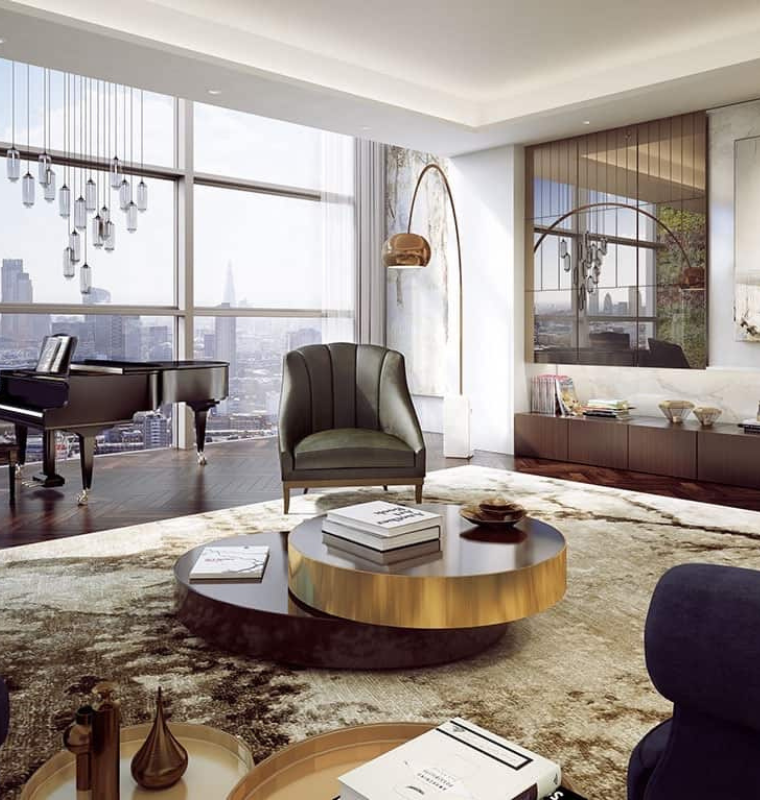
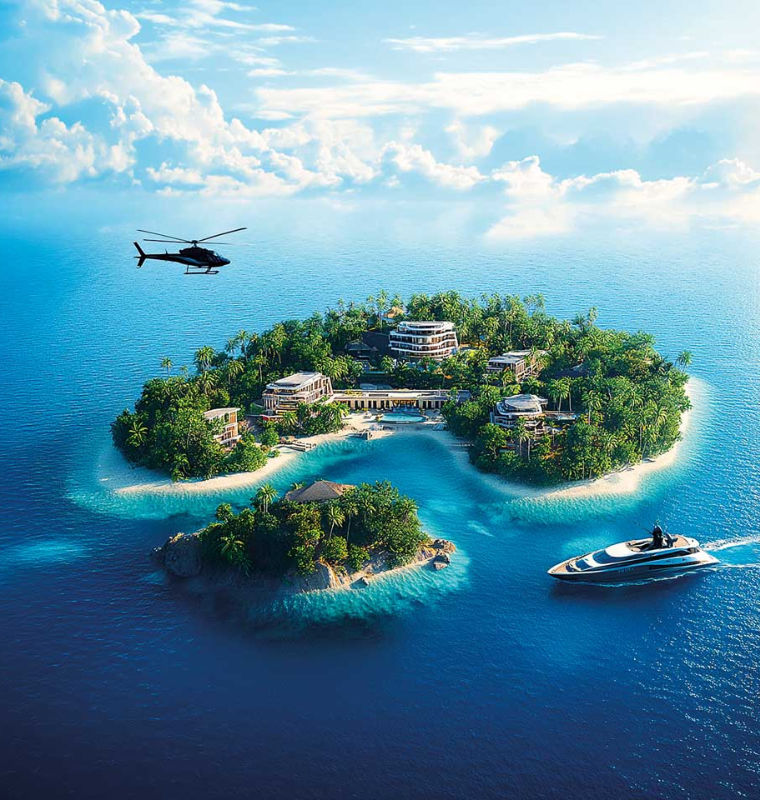
The definition of status among the world’s wealthiest individuals is undergoing a significant transformation. Traditional markers of prestige such as luxury cars, yachts, and branded wardrobes are becoming less relevant. Today, strategic ownership of assets, businesses, and platforms is emerging as the ultimate demonstration of power.
From Display to Direction
Where once status was communicated through visible possessions, it is now signaled through the ability to direct outcomes. Controlling a company, an investment platform, or a technological infrastructure conveys influence that outlasts fleeting material displays. Ownership of decision-making channels has replaced ownership of products as the primary measure of elite clout.
Platforms Over Property
Digital and physical platforms, from marketplaces to data networks, offer leverage beyond traditional investments. Wealthy individuals are increasingly acquiring entities that allow them to influence trends, behavior, and market outcomes. This approach offers recurring control, unlike luxury items which depreciate and serve only symbolic purposes.
Investment as Status
Strategic investments are now a key way to signal status. Family offices and high net worth individuals publicly align themselves with high-impact projects, startups, or funds that shape entire industries. The prestige comes not from the item itself but from the long-term influence it affords.
Influence Without Spectacle
Elite individuals are discovering that visibility can sometimes diminish power. Discreet control allows them to operate behind the scenes while still shaping markets, culture, and policy. This shift reflects a preference for functional authority over performative luxury.
Rewriting the Rules of Luxury Markets
Luxury brands are adapting by offering experiences and products that emphasize exclusivity in access and customization rather than public display. Bespoke services, confidential ownership, and invitation-only offerings are replacing highly visible symbols of wealth.
Globalization and Networked Power
With wealth increasingly globalized, the ability to influence multiple markets simultaneously is more valuable than localized displays of luxury. Strategic ownership provides a platform for global relevance, allowing elites to navigate industries and regions efficiently.
The Psychological Appeal
Control creates security and influence in ways that material possessions cannot. Ownership of strategic assets provides autonomy, access to opportunities, and leverage in negotiations. This practical power offers a sense of accomplishment that surpasses aesthetic or symbolic satisfaction.
Shifting Family Office Strategies
Family offices are actively pivoting toward acquiring controlling stakes in entities that align with long-term strategic vision. Governance, voting rights, and decision-making authority have become as important as financial returns, reflecting the broader shift in elite priorities.
The Future of Wealth Display
As strategic ownership becomes the new flex, public displays of wealth may continue to decline. The ultra wealthy will increasingly measure influence by what they control, direct, and shape, rather than what they show. This evolution reflects a fundamental transformation in how modern elites define power, status, and success.



Subscribe to unlock premium content
Sed at tellus, pharetra lacus, aenean risus non nisl ultricies commodo diam aliquet arcu enim eu leo porttitor habitasse adipiscing porttitor varius ultricies facilisis viverra lacus neque.
A comprehensive guide on Agile development

10 Productivity tools that are worth checking out
Top 7 Must have management tools for productivity

A comprehensive guide on Agile development
10 Productivity tools that are worth checking out
A comprehensive guide on Agile development