

Subscription Based Private Cities Gain Traction Among Ultra Rich Seeking Controlled Living Environments
By
John Carter
Last updated:
March 18, 2026
First Published:
April 25, 2026

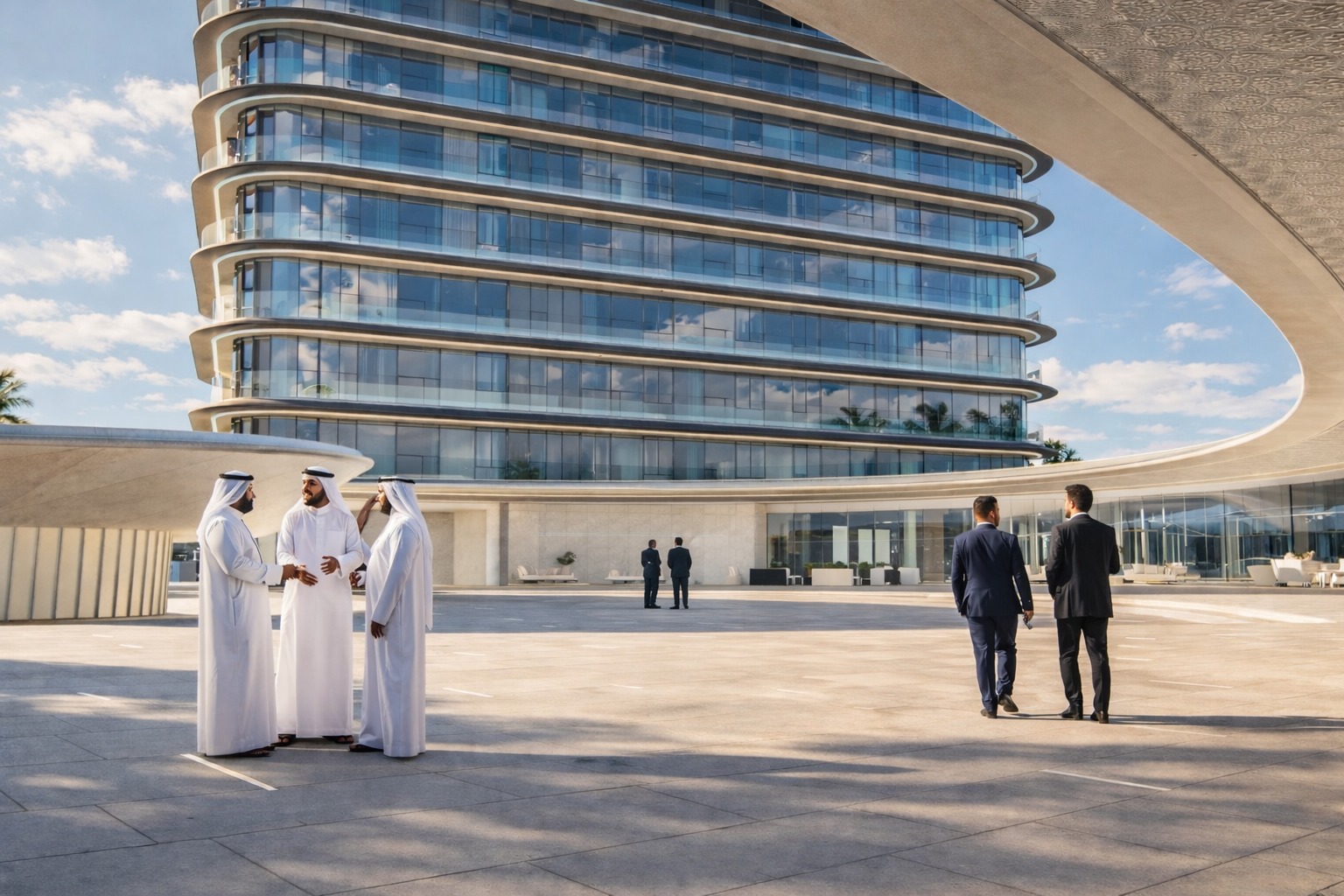
Photo: Cosmo Developments
A New Era of Curated Living
The concept of private cities is undergoing a transformation as the ultra wealthy begin to move beyond traditional gated communities into fully curated environments that operate on a subscription model. These are not simply residential developments but controlled ecosystems where every aspect of daily life is designed, monitored, and optimized. From security protocols to social interactions, these spaces offer a level of predictability and personalization that appeals deeply to individuals who are accustomed to controlling outcomes in every other area of their lives.
The Rise of Subscription Driven Exclusivity
Unlike conventional luxury real estate, these private cities function on an ongoing financial commitment rather than a one time purchase. Residents subscribe to access a living experience that evolves continuously. This includes upgrades in infrastructure, exclusive services, and even curated communities of like minded individuals. The subscription model allows developers to maintain a consistent standard of excellence while also introducing new features that keep the environment ahead of global trends.
Control as the Ultimate Luxury
For the ultra rich, control has become more valuable than ownership. In a world defined by unpredictability, these private cities offer a sanctuary where variables are minimized. Residents can expect seamless services, advanced surveillance systems, and strict access controls that ensure privacy and safety. This level of control extends beyond physical security into digital privacy, social interactions, and even environmental conditions such as air quality and noise levels.
Technology at the Core of Modern Enclaves
These emerging cities are deeply integrated with advanced technologies. Artificial intelligence plays a central role in managing everything from traffic flow to energy consumption. Smart systems learn resident preferences over time, creating a highly personalized living experience. This technological backbone allows for efficiency and convenience at a scale that traditional luxury living cannot match, reinforcing the appeal of these environments for tech savvy millionaires and billionaires.
A Response to Global Instability
The growing interest in private cities is also a reflection of broader global concerns. Political uncertainty, economic volatility, and environmental challenges have made traditional urban living less appealing for the ultra wealthy. Subscription based cities provide a buffer against these uncertainties by offering stability and continuity. They are designed to operate independently of external disruptions, making them attractive as long term living solutions.
Redefining Community Among the Elite
Another significant shift is the way these spaces redefine social networks. Entry into these cities is often highly selective, ensuring that residents share similar values, interests, or financial standing. This creates a curated social environment where networking happens organically. For many, this is as valuable as the physical amenities, as it fosters connections that can lead to business opportunities and collaborations.
Luxury Services Reimagined
In these environments, traditional luxury services are elevated to an entirely new level. Residents have access to personalized healthcare, private education systems, and exclusive entertainment options that are integrated into the community. The subscription model ensures that these services are constantly updated and improved, offering a dynamic lifestyle that adapts to changing expectations.
Environmental Design and Sustainability
Sustainability is also a key component of these developments. Many private cities are designed with self sufficiency in mind, incorporating renewable energy sources, advanced water management systems, and sustainable architecture. This not only reduces environmental impact but also enhances the resilience of the community. For the ultra rich, this alignment with sustainability adds another layer of appeal, blending luxury with responsibility.
The Economics Behind the Model
From a financial perspective, subscription based private cities represent a new frontier in wealth allocation. Instead of tying up capital in static assets, individuals are investing in experiences that offer continuous returns in the form of comfort, security, and social capital. Developers benefit from predictable revenue streams, while residents gain access to an evolving lifestyle that maintains its exclusivity over time.
Potential Challenges and Criticism
Despite their appeal, these developments are not without controversy. Critics argue that they contribute to social fragmentation by creating isolated pockets of extreme privilege. There are also questions about governance, as these cities often operate under unique regulatory frameworks. However, for their target audience, these concerns are outweighed by the benefits of living in a controlled and optimized environment.
The Future of Elite Living
As the concept continues to gain traction, it is likely that subscription based private cities will become a defining feature of ultra high net worth lifestyles. They represent a shift away from traditional markers of wealth toward experiences that prioritize control, security, and personalization. In many ways, they are a glimpse into the future of living, where environments are not just inhabited but actively engineered to meet the needs of their residents.




Subscribe to unlock premium content
Sed at tellus, pharetra lacus, aenean risus non nisl ultricies commodo diam aliquet arcu enim eu leo porttitor habitasse adipiscing porttitor varius ultricies facilisis viverra lacus neque.
A comprehensive guide on Agile development

10 Productivity tools that are worth checking out

Top 7 Must have management tools for productivity

A comprehensive guide on Agile development
10 Productivity tools that are worth checking out
A comprehensive guide on Agile development