
The Era of Luxury Burnout
By
Sophie Moore
Last updated:
March 17, 2026
First Published:
March 17, 2026

.webp)
Photo: Forbes
Understanding Luxury Burnout
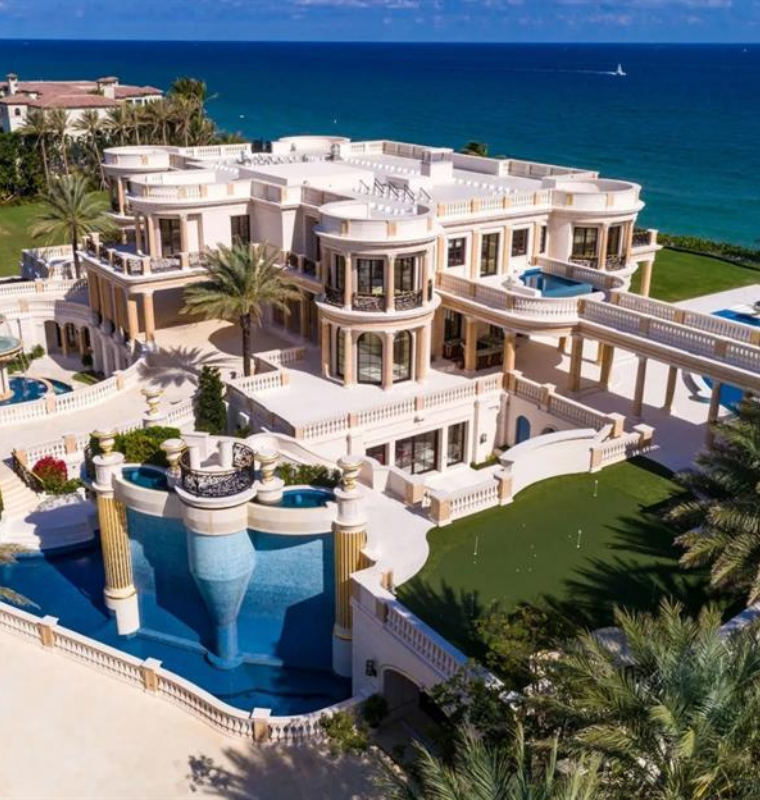
For decades, high net worth individuals have been defined by opulence, from sprawling estates to superyachts. Today, a phenomenon called luxury burnout is emerging, where the ultra wealthy are growing weary of traditional displays of wealth. The pursuit of excess has reached a point where it no longer provides satisfaction, prompting a shift toward simpler yet highly exclusive lifestyles.
From Possessions to Experiences
Luxury burnout reflects a deeper psychological change. Billionaires and multimillionaires are prioritizing experiences over objects. Instead of collecting cars, jewelry, or mansions, they now seek curated adventures, private retreats, and one-of-a-kind cultural experiences. The emphasis is on quality, uniqueness, and memory-making rather than accumulation.
Minimalism Meets Ultra Exclusivity
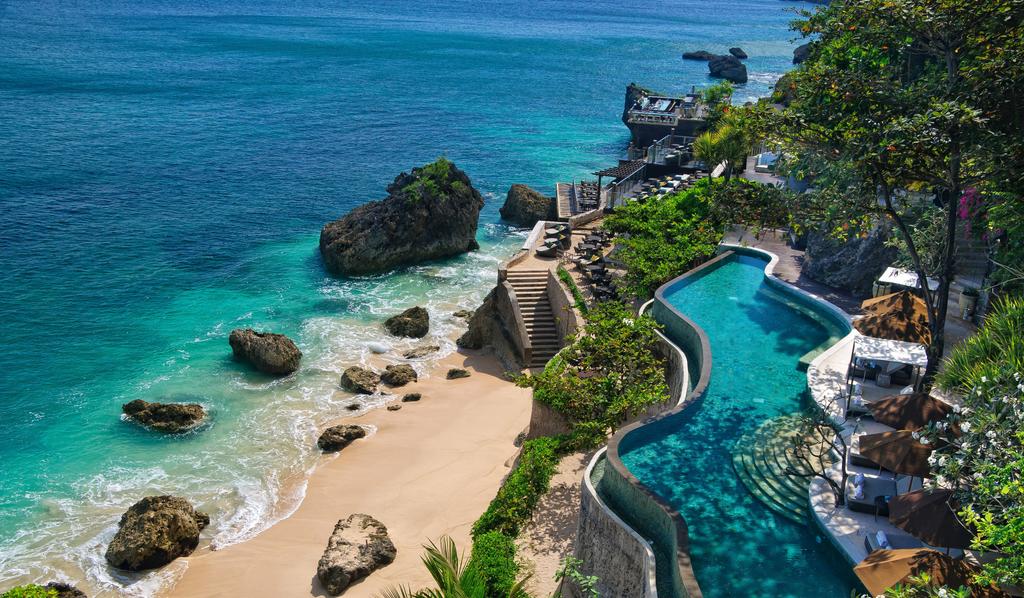
This shift is not about giving up luxury but redefining it. Minimalism meets exclusivity as the wealthy streamline possessions while enhancing access to rare experiences. Private island retreats, limited-access art exhibitions, and invitation-only wellness sanctuaries now serve as markers of status, replacing the ostentation of material wealth.
Mental Health and Lifestyle Priorities
Luxury burnout is also tied to mental health and lifestyle balance. The constant pursuit of the next high-end acquisition often leads to stress, fatigue, and a sense of emptiness. By simplifying their lifestyles and focusing on experiences, the ultra wealthy aim to reclaim control, cultivate meaningful connections, and enjoy life without the burden of excess.
Subscription and Access-Based Services
Services offering access over ownership have grown in appeal. Memberships to private travel clubs, curated concierge services, and art collections allow the wealthy to enjoy luxury without the responsibilities of ownership. These models align perfectly with a desire for simplicity while maintaining prestige and exclusivity.
The Role of Technology
Technology enables this transition by providing seamless management of curated lifestyles. Apps and platforms coordinate private travel, limited-access events, and personal services while protecting privacy. Digital innovations allow the ultra wealthy to enjoy complex luxury experiences without cumbersome logistics or public exposure.
Cultural Shifts and Social Signaling
This new approach to luxury also reflects changing cultural values. Status is increasingly signaled through access, taste, and experiences rather than material possessions. Social media has accelerated this trend, as ephemeral experiences can convey sophistication without the permanence and clutter of traditional luxury items.
Environmental and Ethical Considerations
Many high net worth individuals are also motivated by sustainability. Simplifying possessions reduces environmental impact, while selective participation in exclusive experiences supports ethical consumption. Luxury burnout aligns personal well-being with social responsibility, creating a more mindful approach to wealth.
The Market Responds
Luxury brands and service providers are adapting. Exclusive experiences, limited-edition offerings, and high-end lifestyle memberships are expanding rapidly. Companies that recognize the desires of the burnout-prone elite are thriving, offering bespoke solutions that combine simplicity, discretion, and prestige.
The Future of Ultra Exclusive Living
Luxury burnout is likely to continue shaping the behavior of the ultra wealthy. As experiences replace possessions and simplicity becomes a new form of sophistication, the definition of high-end living is evolving. Understanding this trend is crucial for brands, financial advisors, and anyone interested in the future of wealth and lifestyle among the global elite.


Subscribe to unlock premium content
Sed at tellus, pharetra lacus, aenean risus non nisl ultricies commodo diam aliquet arcu enim eu leo porttitor habitasse adipiscing porttitor varius ultricies facilisis viverra lacus neque.
A comprehensive guide on Agile development

10 Productivity tools that are worth checking out

Top 7 Must have management tools for productivity

A comprehensive guide on Agile development
10 Productivity tools that are worth checking out
A comprehensive guide on Agile development