

The Growing Market for Collectible Assets From Rare Watches to Investment Grade Art
By
Maya K.
Last updated:
June 7, 2026
First Published:
June 7, 2026

.webp)
Photo: Forbes
The Shift Toward Tangible Wealth Assets
In 2026, collectible assets are gaining strong momentum as wealthy investors diversify beyond traditional stocks and real estate. Rare watches, fine art, vintage automobiles, luxury handbags, and limited edition collectibles are being viewed not just as passion purchases but as structured investment assets with long term value potential.
This shift reflects a broader desire among affluent individuals to hold tangible assets that combine emotional appeal with financial appreciation.
Why Collectibles Are Attracting Wealthy Investors
One of the key reasons collectibles are becoming more attractive is their ability to function independently of financial markets. Unlike equities or bonds, collectible assets often follow their own value cycles influenced by rarity, cultural significance, and demand from niche buyers.
For high net worth individuals, this creates an opportunity to reduce portfolio correlation and improve long term stability.
Rare Watches as a Leading Investment Category
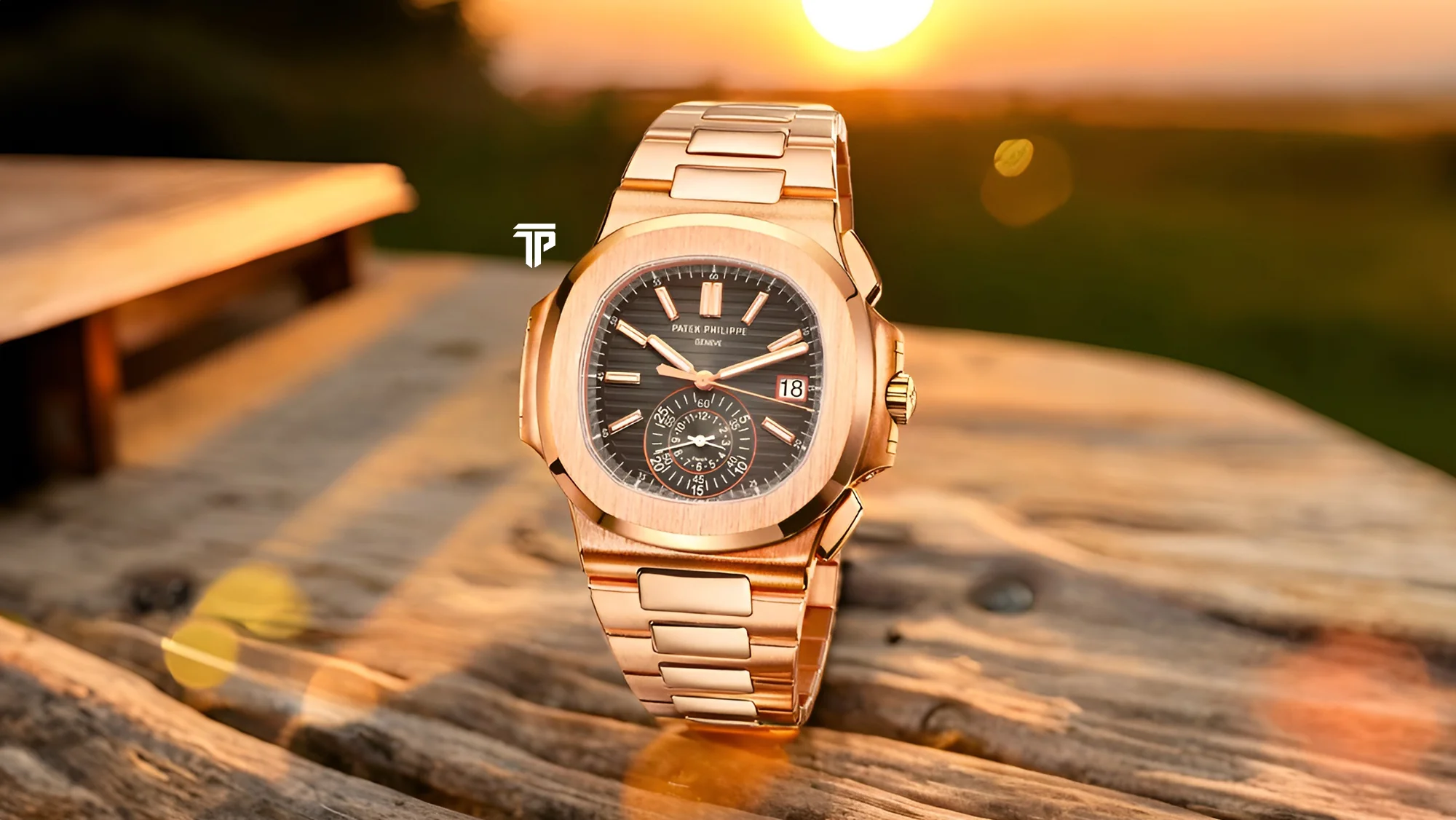
Luxury timepieces have emerged as one of the strongest segments in the collectibles market. Limited production models from prestigious watchmakers are often in high demand, with value driven by craftsmanship, heritage, and scarcity.
Collectors are increasingly treating rare watches as long term holdings, with some models appreciating significantly over time due to limited availability and global demand.
Fine Art and Cultural Value Appreciation
Investment grade art continues to attract serious capital from wealthy buyers. Established artists and emerging talents both contribute to a dynamic market where cultural relevance plays a major role in pricing.
Art collecting offers not only financial return potential but also prestige and personal enjoyment, making it a unique dual purpose asset class.
Luxury Automobiles as Alternative Investments
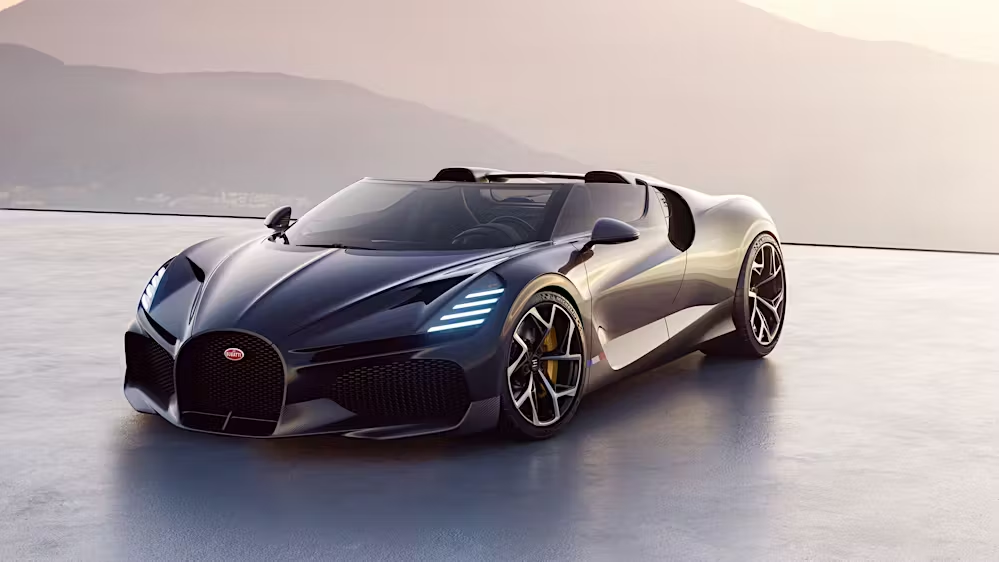
Vintage and limited production luxury cars have become highly sought after collectible assets. Rare automotive models often gain value due to historical significance, engineering innovation, and design uniqueness.
Collectors view these assets as both emotional investments and long term stores of value that reflect personal taste and status.
The Role of Scarcity in Value Creation
Scarcity remains one of the most powerful drivers of collectible asset pricing. Items produced in limited quantities or tied to significant historical moments tend to appreciate more consistently.
Wealthy investors often focus on acquiring assets that cannot be easily replicated or mass produced, ensuring long term exclusivity.
The Influence of Global Wealth Growth
As global wealth expands, demand for collectible assets is increasing. More high net worth individuals are entering the market, creating stronger competition for rare items and driving up valuations across multiple categories.
This growing buyer base has transformed collectibles into a global investment market rather than a niche hobby.
Authentication and Provenance Importance
One of the most critical aspects of collectible investing is authenticity. Provenance documentation, expert verification, and historical ownership records play a major role in determining asset value.
Investors are increasingly relying on specialized advisors and institutions to verify legitimacy and reduce risk in high value transactions.
Digital Platforms Expanding Access
Online marketplaces and digital auction platforms have made collectible investing more accessible than ever before. Wealthy buyers can now participate in global auctions and private sales without physical presence.
This increased accessibility has improved liquidity and transparency in the collectibles market.
Risks in Collectible Investment Markets
Despite strong growth, collectible assets carry unique risks. Market liquidity can be limited, pricing can be subjective, and values may fluctuate based on trends or cultural shifts.
Successful investors typically approach collectibles as long term holdings rather than short term speculative trades.
The Future of Collectible Asset Investing
The collectible asset market is expected to continue expanding as wealth grows globally and investor preferences evolve. Increasing interest from younger affluent buyers is also reshaping demand patterns and introducing new categories of collectibles.
As technology improves authentication, trading, and valuation processes, the market is likely to become more structured and efficient.
Collectible assets are becoming a meaningful component of modern wealth strategies. From rare watches to fine art and luxury automobiles, these assets offer a blend of financial potential, emotional value, and exclusivity.
For high net worth individuals, collectibles are no longer just luxury items. They are strategic assets that reflect both personal identity and long term investment vision.

Subscribe to unlock premium content
Sed at tellus, pharetra lacus, aenean risus non nisl ultricies commodo diam aliquet arcu enim eu leo porttitor habitasse adipiscing porttitor varius ultricies facilisis viverra lacus neque.
A comprehensive guide on Agile development

10 Productivity tools that are worth checking out

Top 7 Must have management tools for productivity

A comprehensive guide on Agile development
10 Productivity tools that are worth checking out
A comprehensive guide on Agile development