

The New Trophy Asset for the Ultra Rich Is a Fully Staffed Private Island With Its Own Marina
By
Maya K.
Last updated:
May 12, 2026
First Published:
May 12, 2026


Photo: Jetset Magazine
The Ultimate Symbol of Modern Wealth
For decades the world’s richest individuals competed over penthouses mega mansions private jets and superyachts. In 2026 however the definition of ultimate luxury has shifted toward something far more exclusive and untouchable. The newest obsession among billionaires is the acquisition of fully staffed private islands complete with personal marinas luxury compounds and self sustaining infrastructure.
Owning an island is no longer simply about escaping crowds during holidays. It has evolved into a statement of power privacy and lifestyle control unlike anything else in the luxury market. Across tropical regions wealthy buyers are quietly spending hundreds of millions transforming isolated islands into private kingdoms designed entirely around their personal tastes and routines.
These islands are becoming more than vacation destinations. They are evolving into permanent lifestyle ecosystems for the global elite.
Privacy Has Become the Most Valuable Luxury Commodity
In a world driven by constant exposure social media visibility and public attention privacy has become one of the rarest luxuries available. Ultra wealthy individuals are increasingly searching for spaces where they can completely disconnect from outside pressures while still enjoying every imaginable comfort.
Private islands offer exactly that experience. Unlike traditional luxury estates which still exist within cities or populated regions islands create natural barriers between owners and the outside world. The ocean itself becomes a layer of security and exclusivity.
For many billionaires this level of separation provides emotional relief as much as physical privacy. Celebrities technology founders royal families and investors are now prioritizing invisible luxury over flashy public displays. A hidden island retreat with controlled access delivers that sense of total freedom.
Full Time Staff Transform Islands Into Luxury Resorts
What truly separates modern billionaire islands from traditional vacation properties is the presence of permanent professional staff operating year round. These islands function like private luxury resorts built exclusively for one owner and their guests.
A typical ultra luxury island now includes private chefs wellness therapists marina engineers personal trainers pilots security teams gardeners diving instructors and hospitality managers. Some islands employ dozens of workers who live on site in separate staff compounds designed with resort level accommodations.
The goal is effortless living. Owners arrive by helicopter or yacht and immediately step into a perfectly maintained environment where every detail has already been prepared. From customized dining experiences to private beach setups the service level rivals the world’s most expensive hotels.
For the ultra rich convenience and personalization have become just as important as beauty itself.
Private Marinas Have Become Essential
One of the most desired features on billionaire owned islands is a fully operational private marina. In many cases the marina has become even more important than the island residence itself.
Modern billionaires frequently travel by superyacht and expect seamless ocean access. Private marinas allow owners to dock multiple yachts receive visiting guests and maintain marine equipment without depending on public ports. Some marinas are large enough to support luxury submarines helicopter platforms and floating entertainment decks.
The marina also serves as a social symbol within elite circles. Wealthy guests arriving by yacht create an atmosphere similar to private country clubs except hidden in the middle of the ocean. Exclusive gatherings business meetings and invitation only celebrations are increasingly taking place within these private coastal compounds.
This floating style of networking has become deeply connected to modern billionaire culture.
Wellness and Nature Are Driving Purchasing Decisions
Unlike older luxury trends centered around excess and display today’s wealthy buyers are becoming more focused on emotional wellbeing and environmental beauty. Private islands provide something many cities cannot offer which is silence.
Owners are transforming islands into wellness sanctuaries filled with outdoor spas yoga pavilions meditation gardens and open air fitness centers overlooking the sea. Some estates include jungle pathways private waterfalls and marine conservation areas designed specifically for relaxation and mental recovery.
The connection to nature has become a major selling point. Billionaires increasingly view untouched landscapes as emotional assets capable of reducing stress and improving quality of life. In many cases the island itself becomes a deeply personal retreat from the intensity of global business and public life.
Luxury is no longer defined only by what money can buy but by what chaos cannot reach.
Sustainability Has Become Part of Elite Luxury
Another major shift shaping the private island market is the growing importance of sustainability. Wealthy buyers are investing heavily in self sufficient systems that allow islands to operate independently from mainland infrastructure.
Solar farms desalination plants organic agriculture and advanced water recycling systems are now common features on elite islands. Some properties generate their own electricity entirely through renewable energy while others operate private marine conservation programs to protect surrounding coral reefs and ocean ecosystems.
This approach allows owners to combine luxury with environmental responsibility. In elite circles sustainability is increasingly viewed as a mark of sophistication rather than sacrifice.
Future focused billionaires want their islands to feel advanced resilient and environmentally intelligent.
Architects Are Designing Entire Oceanic Worlds
The architectural design of modern private islands has become extraordinarily ambitious. Wealthy owners are hiring globally recognized architects to transform natural landscapes into cinematic luxury environments.
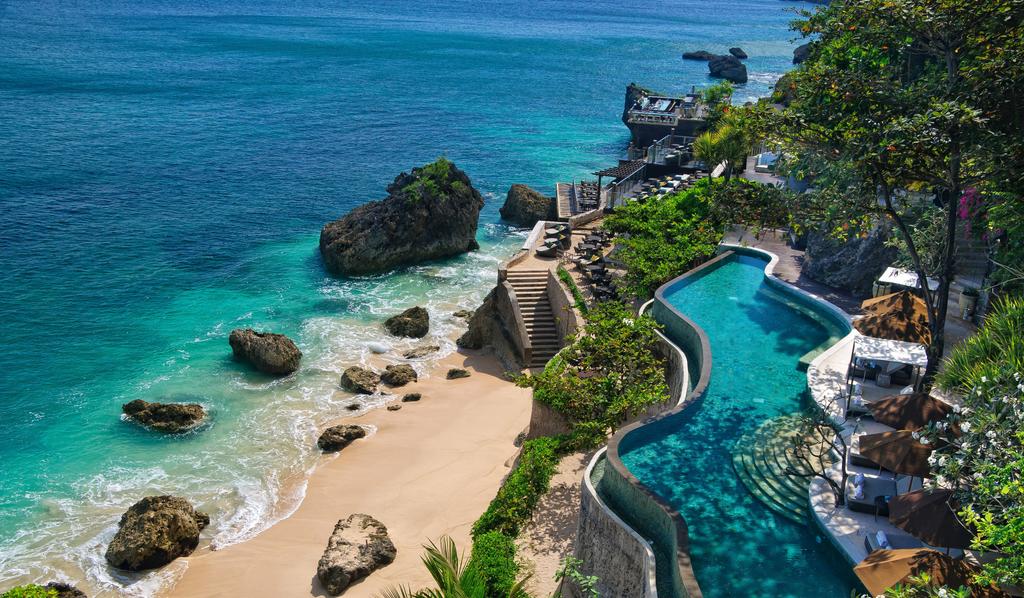
Some islands feature glass villas suspended above cliffs while others contain underground spas hidden beneath tropical gardens. Infinity pools merge visually into the surrounding ocean and open air lounges are designed to capture sunrise and sunset from every angle.
Interior spaces often combine local craftsmanship with international luxury aesthetics. Hand carved stone imported marble rare woods and custom lighting systems create highly personalized environments tailored to the owner’s identity.
Many islands now resemble futuristic wellness resorts more than traditional homes.
Billionaires Are Using Islands as Multi Generational Assets
Private islands are increasingly being viewed as legacy investments rather than temporary lifestyle purchases. Wealthy families are designing these estates to remain within family ownership for generations.
Large compounds often include multiple villas private schools entertainment facilities and extensive guest accommodations allowing entire families to gather for months at a time. Some owners are even creating family governance systems to manage island operations and inheritance structures.
The emotional value attached to these properties continues to grow because they represent continuity stability and family identity in an unpredictable world.
For many billionaire families the island becomes more than real estate. It becomes a private world carrying their legacy into the future.
Luxury Tourism Is Influencing Billionaire Expectations
The rise of hyper luxury tourism has also shaped this trend. As billionaires experience increasingly personalized service at elite resorts their expectations for private living have evolved dramatically.
Owners now want island experiences that rival or surpass six star hospitality. This includes curated wellness programs private entertainment underwater dining experiences and fully customized adventures designed around personal preferences.
Some islands even maintain private event teams capable of organizing exclusive concerts fashion presentations or intimate celebrity gatherings without outside involvement.
This level of personalization has pushed private island ownership into an entirely new category of luxury living.
The Future of Wealth Is Becoming More Isolated and Exclusive
The growing demand for fully staffed private islands reveals how dramatically elite lifestyles are changing. Today’s billionaires are no longer satisfied with visible luxury alone. They are searching for environments where they can control privacy comfort security and emotional wellbeing at every level.
Private islands with personal marinas offer something almost impossible to find elsewhere which is total autonomy surrounded by natural beauty. They combine luxury hospitality advanced infrastructure and deep isolation into one seamless experience.
As global wealth continues expanding this trend is expected to accelerate even further. In the future the most powerful status symbol may not be found in crowded cities or public skylines but hidden far beyond the coastline where entire islands quietly operate as private worlds for the ultra rich.
Subscribe to unlock premium content
Sed at tellus, pharetra lacus, aenean risus non nisl ultricies commodo diam aliquet arcu enim eu leo porttitor habitasse adipiscing porttitor varius ultricies facilisis viverra lacus neque.
A comprehensive guide on Agile development

10 Productivity tools that are worth checking out

Top 7 Must have management tools for productivity

A comprehensive guide on Agile development
10 Productivity tools that are worth checking out
A comprehensive guide on Agile development


