

Trillions in Family Wealth Set to Transfer as Millennials and Gen X Prepare for Historic Inheritance Wave
By
Sophie Moore
Last updated:
June 8, 2026
First Published:
June 8, 2026


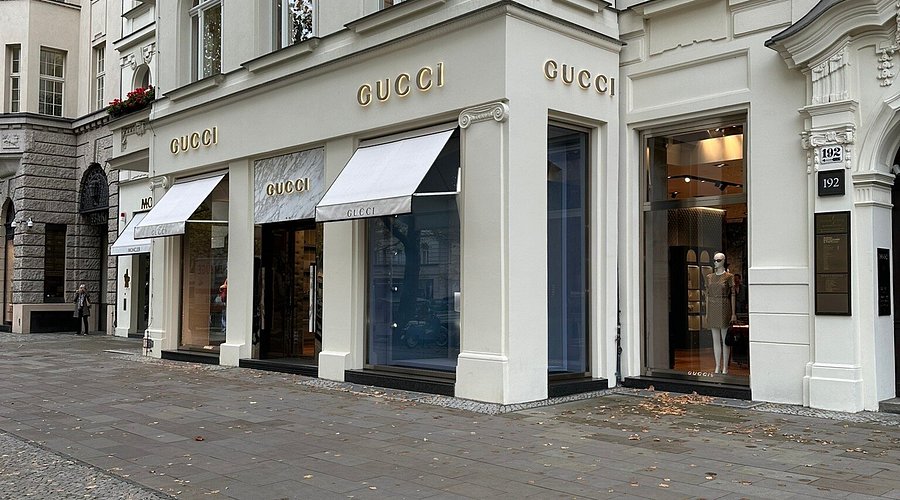
Photo: Investment News
A Generational Shift in Global Wealth
The world is entering a period of unprecedented intergenerational wealth transfer. Trillions of dollars in assets are expected to move from older generations to Millennials and Gen X over the coming years, marking a structural shift in financial control across families, businesses, and investment portfolios.
This transition is not only about inheritance. It represents a broader transformation in how wealth is managed, preserved, and deployed. As younger generations take over financial responsibility, their values, priorities, and investment strategies are reshaping global markets.
Changing Attitudes Toward Wealth Management
Millennials and Gen X heirs often approach wealth differently compared to their predecessors. While older generations tended to prioritize capital preservation and conservative investment strategies, younger beneficiaries are more open to diversification and innovation.
This includes increased interest in technology driven investments, sustainable assets, private equity, venture capital, and global real estate. Many heirs are also more likely to engage with digital financial platforms and alternative investment vehicles.
As a result, traditional wealth management models are being redefined to accommodate new expectations and behaviors.
The Role of Family Offices in Transition Planning
Family offices are playing a critical role in managing this large scale transfer of wealth. These private advisory structures are responsible for coordinating investment strategy, tax planning, estate management, and long term financial governance for ultra wealthy families.
As generational transitions accelerate, family offices are expanding their services to include education for younger heirs, governance frameworks, and structured decision making processes.
This ensures continuity while allowing new generations to gradually assume leadership roles within family wealth structures.
Real Estate Remains a Core Asset Class
Despite evolving investment preferences, real estate continues to play a central role in inherited wealth portfolios. Luxury residential properties, commercial developments, and international holdings remain popular due to their perceived stability and long term value retention.
However, younger investors are increasingly selective, prioritizing properties that offer both lifestyle benefits and financial performance. Sustainability features, technological integration, and location flexibility are becoming more important in decision making.
This reflects a broader shift toward aligning investments with personal values and future oriented thinking.
Technology Shapes Investment Behavior
Digital platforms and financial technologies are transforming how younger generations manage inherited wealth. Mobile investment apps, algorithmic portfolio management tools, and data driven financial planning systems are becoming standard tools for new wealth holders.
These technologies provide real time visibility into assets, enabling more active and informed decision making. They also encourage greater experimentation with diverse asset classes, including emerging markets and alternative investments.
The result is a more dynamic and responsive approach to wealth management.
Philanthropy Becomes a Central Priority
Many Millennials and Gen X inheritors are placing increased emphasis on philanthropy and social impact. Rather than focusing solely on accumulation, a growing number are directing portions of their wealth toward charitable initiatives, environmental projects, and community development programs.
This shift reflects changing values around purpose and responsibility. Wealth is increasingly viewed as a tool for creating broader societal impact, not just personal or family benefit.
As philanthropic activity expands, it is also influencing how wealth is structured and distributed across generations.
Global Mobility Influences Financial Decisions
Inherited wealth is often managed across multiple jurisdictions, reflecting the increasingly global nature of modern families. Many heirs maintain residences, investments, and business interests in several countries simultaneously.
This global approach to wealth management requires sophisticated planning around taxation, legal frameworks, and asset protection. It also provides flexibility in lifestyle choices and investment opportunities.
As a result, financial decisions are often shaped by international considerations rather than purely domestic ones.
Education and Financial Literacy Gain Importance
With the scale of wealth transfer increasing, financial education has become a priority within affluent families. Many parents are investing in structured programs to prepare heirs for long term responsibility.
This includes training in investment management, risk assessment, business operations, and philanthropic strategy. The goal is to ensure that wealth is preserved and effectively managed across generations.
Without proper preparation, large inheritances can be difficult to sustain over time, making education a critical component of wealth continuity.
Market Impact of the Wealth Transfer
The transfer of trillions in assets is expected to have a significant impact on global financial markets. Shifts in investment preferences may influence capital flows across industries, including technology, healthcare, real estate, and sustainable energy.
As younger investors allocate capital according to new priorities, markets will likely experience changes in demand patterns and valuation structures.
This transition represents not only a redistribution of wealth but also a redefinition of investment influence.
The Future of Inherited Wealth
Looking ahead, the intergenerational transfer of wealth will continue shaping global financial systems for decades. As Millennials and Gen X heirs assume greater control, their decisions will influence markets, industries, and economic trends worldwide.
Wealth is becoming increasingly fluid, digital, and globally connected. Future generations are expected to manage assets with a blend of technological tools, ethical considerations, and international strategies.
This evolving landscape marks a new era in which inherited wealth is not simply preserved but actively transformed to reflect modern values and global opportunities.



Subscribe to unlock premium content
Sed at tellus, pharetra lacus, aenean risus non nisl ultricies commodo diam aliquet arcu enim eu leo porttitor habitasse adipiscing porttitor varius ultricies facilisis viverra lacus neque.
A comprehensive guide on Agile development

10 Productivity tools that are worth checking out

Top 7 Must have management tools for productivity

A comprehensive guide on Agile development
10 Productivity tools that are worth checking out
A comprehensive guide on Agile development