

Trophy Assets Lose Appeal as Cash Flow Investments Dominate Wealth Strategies in 2026
By
John Carter
Last updated:
April 9, 2026
First Published:
April 9, 2026


Photo: Medium
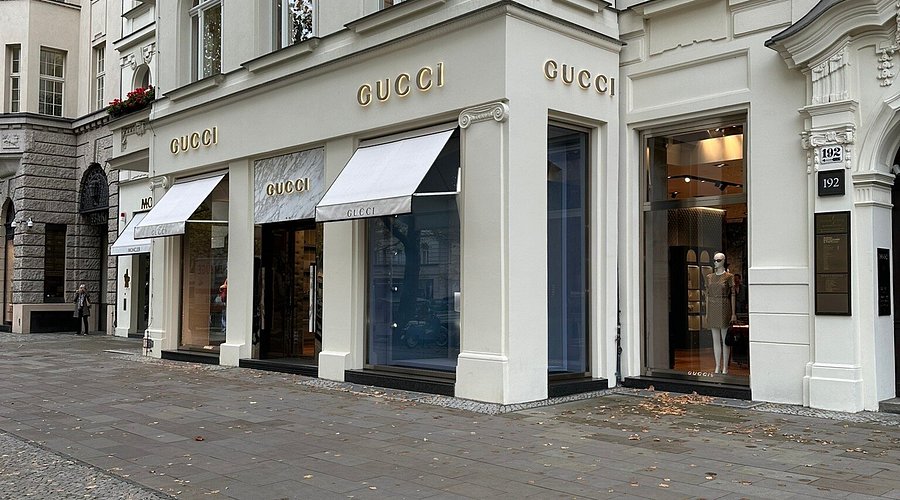
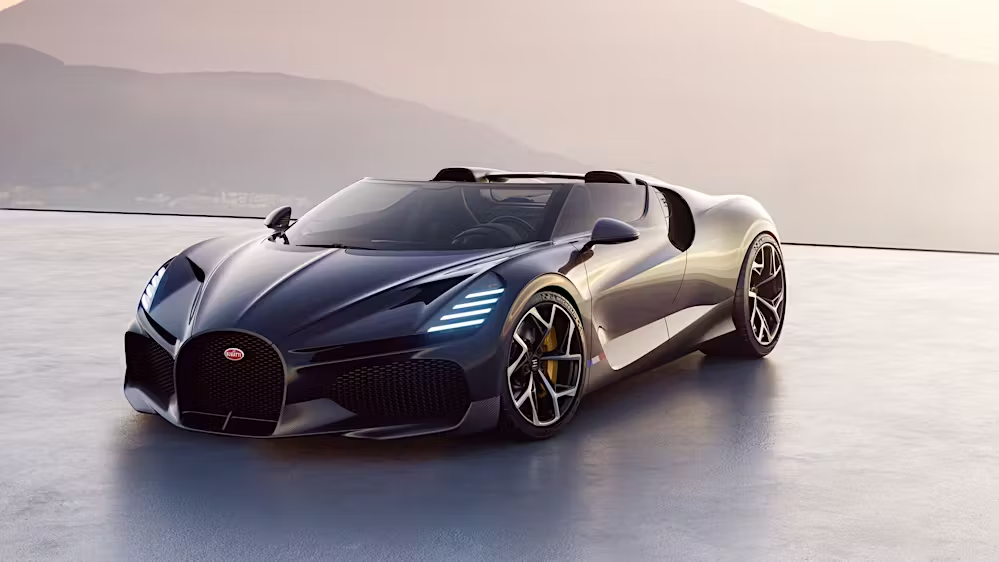
A noticeable shift is taking place within ultra high net worth investment behavior. Traditional trophy assets such as luxury cars, yachts, and rare collectibles are gradually losing appeal as wealth holders increasingly prioritize cash flow generating investments. This marks a structural change in how prestige and value are defined in elite financial circles.
Historically, trophy assets served as symbols of status and exclusivity. Ownership of rare items or extravagant luxury goods communicated social standing and personal success. However, in the current financial environment, these assets are being reassessed through a more pragmatic lens focused on liquidity and return on investment.
One of the key drivers of this shift is the growing sophistication of wealth management strategies. Family offices and private investment advisors are increasingly emphasizing income producing portfolios that generate consistent returns rather than static asset appreciation. This has led to a reallocation of capital toward businesses, infrastructure, and private credit markets.
Real estate remains important but its role has evolved significantly. Instead of acquiring properties purely for prestige, ultra wealthy investors are focusing on assets that generate rental income or long term capital yields. Commercial properties, logistics hubs, and data centers are becoming more attractive than luxury residences in prime urban locations.
Private equity and venture investments are also absorbing a larger share of capital. These asset classes provide structured pathways to high returns while maintaining exposure to innovation driven sectors such as artificial intelligence, healthcare technology, and advanced manufacturing. This aligns with the broader preference for productive assets.
Another contributing factor is liquidity awareness. Trophy assets are often illiquid and difficult to convert into cash without significant value loss. In contrast, cash flow investments provide predictable income streams and greater financial flexibility, which is increasingly important in uncertain global conditions.
Tax efficiency is also influencing decision making. Many jurisdictions are tightening regulations on luxury asset ownership, making them more expensive to maintain. Meanwhile, structured investment vehicles offer more favorable tax treatment when properly managed through international financial planning.
Interestingly, cultural perceptions of wealth are also changing. Among younger ultra wealthy individuals, particularly those who inherit or rapidly accumulate wealth, there is less emphasis on visible displays of luxury. Instead, financial intelligence and portfolio performance are becoming new status markers.
This does not mean trophy assets are disappearing entirely. Instead, they are being repositioned as secondary holdings rather than core wealth stores. In many cases, they are now treated as passion investments rather than financial anchors within a portfolio.
Institutional advisors note that this trend is likely to continue as global markets become more volatile and data driven. Wealth strategies are increasingly optimized through analytics, risk modeling, and scenario planning, all of which favor income generating structures over static luxury holdings.
Ultimately, the decline of trophy asset dominance signals a deeper transformation in wealth philosophy. The modern ultra wealthy are less focused on what they own for display and more focused on what their capital actively produces. This shift is redefining the meaning of luxury itself in the financial world.


Subscribe to unlock premium content
Sed at tellus, pharetra lacus, aenean risus non nisl ultricies commodo diam aliquet arcu enim eu leo porttitor habitasse adipiscing porttitor varius ultricies facilisis viverra lacus neque.
A comprehensive guide on Agile development

10 Productivity tools that are worth checking out

Top 7 Must have management tools for productivity

A comprehensive guide on Agile development
10 Productivity tools that are worth checking out
A comprehensive guide on Agile development