

Trophy Vineyard Acquisitions Rise as Luxury Investors Diversify Into Fine Wine Production
By
Sophie Moore
Last updated:
March 1, 2026
First Published:
March 1, 2026

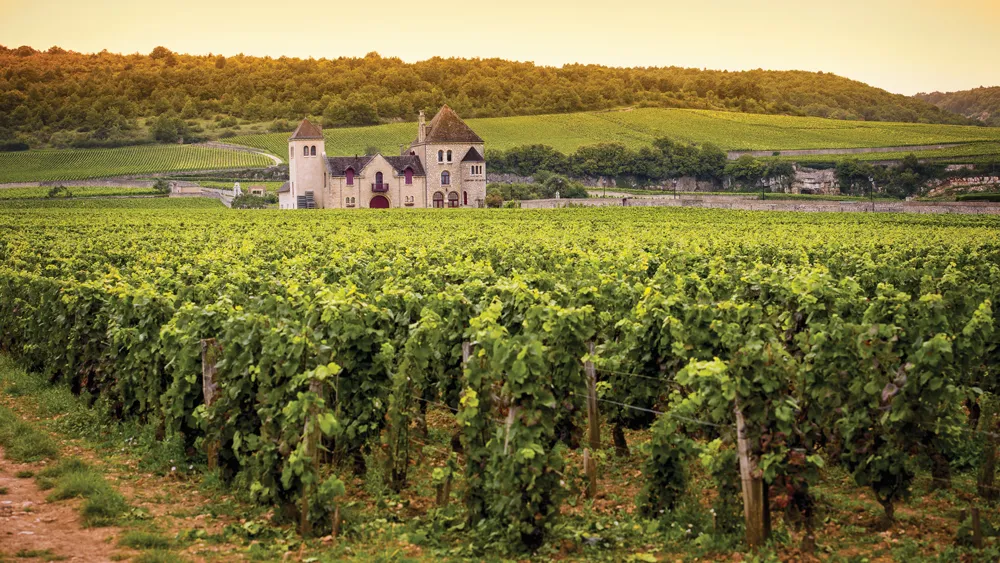
Photo: Robb Report
The allure of vineyards for high net worth investors
The global landscape of luxury investment is expanding beyond conventional assets into tangible lifestyle holdings. Trophy vineyards are becoming increasingly attractive to ultra wealthy individuals and family offices who seek a combination of prestige, heritage, and financial upside. These estates offer more than scenic views and exclusive wine labels. They represent a unique fusion of cultural capital, agribusiness, and long term value appreciation.
From hobby to strategic allocation
Historically, vineyard acquisitions were often lifestyle driven, appealing to individuals with a passion for winemaking or rural retreats. Today, acquisitions are increasingly strategic. Wealthy investors recognize that fine wine production offers both a tangible asset and a revenue generating opportunity. Well managed estates yield collectible wines, provide export potential, and contribute to diversified portfolios insulated from traditional market volatility.
Global hotspots for trophy estates
Certain regions have emerged as epicenters for luxury vineyard acquisitions. Napa Valley in the United States, Bordeaux and Burgundy in France, Tuscany in Italy, and parts of Australia are experiencing heightened demand from international buyers. These regions are prized for their terroir, established reputations, and infrastructure that supports premium wine production. For investors, acquiring property in these locations provides immediate access to high value brands and the potential for future appreciation.
The economics of collectible wines
Beyond land and facilities, vineyards offer financial exposure to the collectible wine market, which has demonstrated consistent growth over the past decade. Rare vintages and limited production wines appreciate steadily, often outperforming traditional asset classes during periods of economic uncertainty. Investors can integrate wine production into broader wealth strategies, leveraging both sales revenue and the rising value of mature vintages stored within the estate.
Modernization and technology integration
Acquiring a vineyard today often involves more than inheriting traditional practices. Luxury investors are implementing modern viticulture techniques, advanced irrigation systems, and sustainable farming practices to maximize quality and efficiency. Technology such as climate monitoring, precision soil management, and automated fermentation processes ensures that production remains consistent, high quality, and aligned with environmental sustainability goals.
Lifestyle and experiential value
Vineyards provide unique lifestyle benefits that extend beyond financial returns. Estates serve as private retreats, hosting exclusive events, tastings, and hospitality experiences. For ultra wealthy buyers, the intangible value of privacy, social prestige, and experiential luxury is as significant as financial considerations. Ownership allows them to cultivate an identity associated with refinement, culture, and exclusivity.
Estate management and operational oversight
Successful vineyard investment requires active management. Many luxury investors establish dedicated teams of enologists, vineyard managers, and marketing specialists to maintain production standards and optimize branding. Operational oversight ensures that estates retain both quality and market relevance. This approach transforms vineyards from passive lifestyle assets into professionally managed enterprises capable of generating consistent revenue.
Sustainability as a value proposition
Sustainability has become a critical factor in high end vineyard acquisitions. Investors are integrating renewable energy, water conservation, and environmentally friendly cultivation practices into estate operations. These initiatives not only reduce operational risk but also enhance the brand appeal of produced wines. Eco conscious production attracts discerning global buyers and aligns with the values of socially responsible investors.
Cultural legacy and heritage preservation
Trophy vineyards often carry historical significance, which adds to their allure. Owners can preserve and enhance centuries old estates while simultaneously leveraging the heritage narrative for branding and marketing purposes. The combination of legacy preservation and innovative management allows investors to create value across financial, cultural, and social dimensions.
A growing niche in luxury investment portfolios
The rise of trophy vineyard acquisitions reflects a broader trend of ultra wealthy investors seeking diversified, tangible, and experiential assets. Fine wine production merges lifestyle enjoyment with strategic wealth creation, providing both status and long term returns. As global markets evolve, vineyards are poised to become an increasingly prominent segment within elite investment portfolios, symbolizing both refinement and foresight.


Subscribe to unlock premium content
Sed at tellus, pharetra lacus, aenean risus non nisl ultricies commodo diam aliquet arcu enim eu leo porttitor habitasse adipiscing porttitor varius ultricies facilisis viverra lacus neque.
A comprehensive guide on Agile development

10 Productivity tools that are worth checking out

Top 7 Must have management tools for productivity

A comprehensive guide on Agile development
10 Productivity tools that are worth checking out
A comprehensive guide on Agile development