

Ultra Exclusive Fashion Collections Now Target Billionaires Instead of Mass Luxury Buyers
By
John Carter
Last updated:
March 11, 2026
First Published:
March 11, 2026

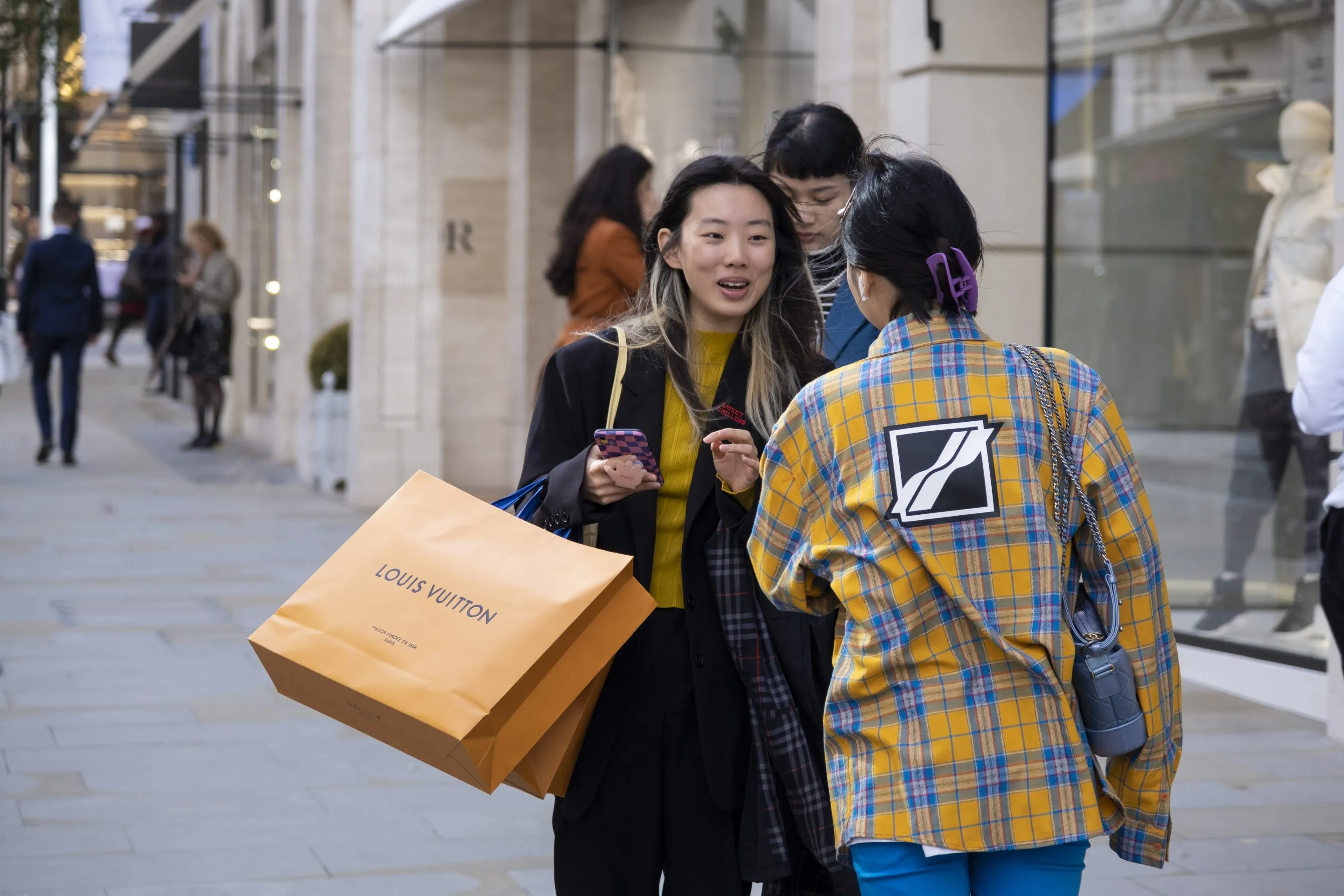
Getty Images
A New Era in Fashion Marketing
Luxury fashion has traditionally targeted high end consumers through flagship stores, limited editions, and exclusive collaborations. Recently, a more exclusive trend has emerged as fashion houses shift their focus to ultra wealthy individuals, offering collections designed specifically for billionaires and high net worth clients. This trend is redefining the meaning of couture and establishing an entirely new segment within the luxury industry.
Personalized Couture for the Elite
Unlike traditional ready to wear collections, ultra exclusive fashion lines are entirely personalized. Designers collaborate directly with clients to create garments that reflect personal tastes, lifestyle, and aesthetic preferences. This may include custom fabrics, unique embellishments, and one of a kind designs that are never produced for public sale. The process often involves extensive consultations, fittings, and iterations to ensure perfection.
Private Fashion Shows and Personal Previews
High net worth clients are increasingly invited to private fashion shows or one on one previews rather than attending public runway events. These exclusive presentations allow designers to showcase new collections in intimate settings, often at private estates, luxury hotels, or art galleries. The experience emphasizes privacy, exclusivity, and prestige, making the purchase of clothing an elite event rather than a simple transaction.
Rare Materials and Craftsmanship
Ultra exclusive collections frequently incorporate rare and precious materials such as exotic leathers, rare silks, and precious gemstones. Artisans and master craftsmen devote hundreds of hours to hand finishing each piece, ensuring that every garment represents the highest level of skill and attention to detail. This focus on rarity and craftsmanship enhances both the aesthetic and investment value of the items.
Integrating Lifestyle and Fashion
For billionaire clients, fashion is not just about clothing; it is an extension of lifestyle. Luxury brands often coordinate accessories, jewelry, and footwear to create complete, cohesive looks. Wardrobe planning may also extend to events, travel, and business appearances, ensuring that clients maintain a curated image across all aspects of their lives.
Social Significance and Status
Owning ultra exclusive garments has become a status symbol within the circles of the ultra wealthy. Personalized couture communicates taste, refinement, and access, distinguishing clients from traditional luxury buyers. These collections serve as social capital, allowing individuals to express identity, influence trends, and connect with peers in elite social networks.
Technology and Digital Customization
Many luxury brands are incorporating technology into the customization process. Digital mockups, virtual fittings, and AI driven style recommendations allow clients to visualize designs before production. This fusion of technology and artisanal craftsmanship ensures efficiency while maintaining the exclusivity and personalization that clients demand.
Global Appeal and Cross Cultural Influence
Ultra exclusive fashion collections are attracting clients from every corner of the globe. Designers increasingly consider cultural preferences, climate, and personal lifestyle when creating garments, making each piece globally relevant. International clients value not only the rarity of the designs but also the ability to express individuality across diverse social and business settings.
Investment in Personal Brand
For billionaires, purchasing ultra exclusive fashion is more than an indulgence; it is an investment in personal brand. These garments symbolize taste, influence, and refinement, often commanding attention at high profile events. The garments themselves can become collectible items, increasing in value due to their scarcity, design, and provenance.
The Future of Fashion for the Ultra Wealthy
As the wealth gap expands and the global luxury market evolves, fashion houses will continue to develop offerings that cater exclusively to the ultra wealthy. Expect to see even more personalized collections, immersive fashion experiences, and collaborations with artists and designers that target high net worth individuals directly. For the world’s richest, fashion is no longer a commodity—it is an extension of lifestyle, status, and identity.


Subscribe to unlock premium content
Sed at tellus, pharetra lacus, aenean risus non nisl ultricies commodo diam aliquet arcu enim eu leo porttitor habitasse adipiscing porttitor varius ultricies facilisis viverra lacus neque.
A comprehensive guide on Agile development

10 Productivity tools that are worth checking out

Top 7 Must have management tools for productivity

A comprehensive guide on Agile development
10 Productivity tools that are worth checking out
A comprehensive guide on Agile development