
Ultra Exclusive Fragrance Brands Create Million Dollar Signature Scents for High Net Worth Clients
By
John Carter
Last updated:
May 18, 2026
First Published:
May 18, 2026

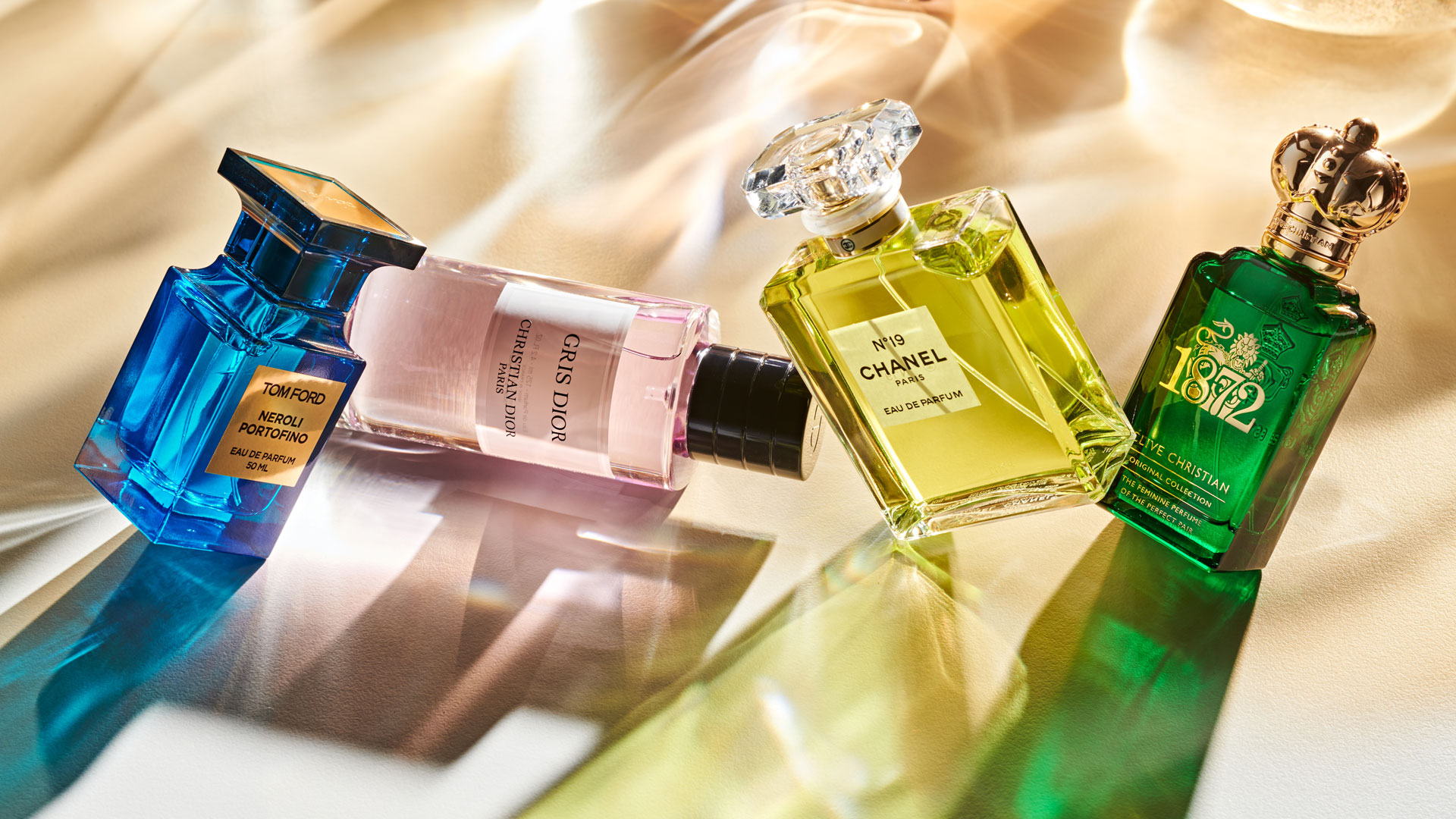
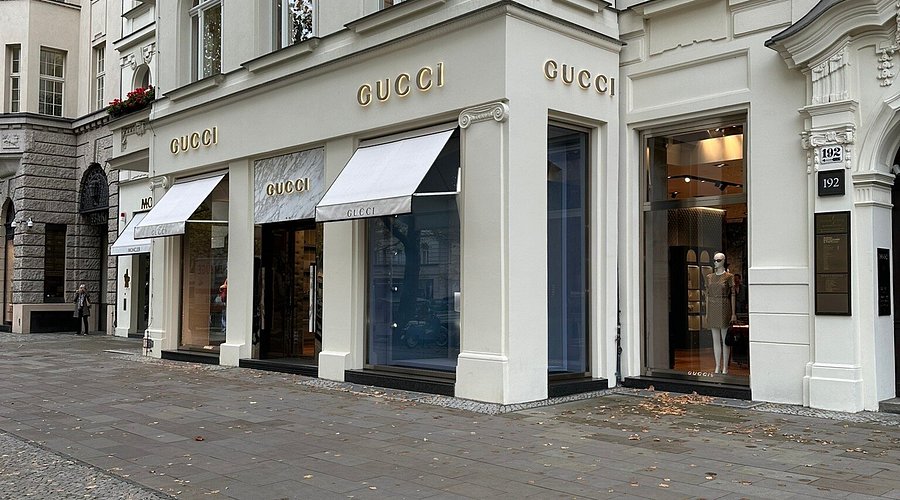
Photo: Marie Claire
In 2026, the luxury fragrance industry is undergoing a radical transformation. Beyond designer perfumes available in boutiques and department stores, ultra exclusive fragrance houses are now creating fully personalized signature scents for high net worth individuals, celebrities, and elite collectors. These bespoke fragrances often cost hundreds of thousands to even over a million dollars, depending on rarity of ingredients, customization process, and exclusivity of ownership.
Unlike traditional perfumes produced in large batches, these signature scents are created as one of one compositions. Once designed for a client, the fragrance formula is permanently archived or sometimes never reproduced again. This level of exclusivity has turned personal fragrance into one of the most intimate and powerful status symbols in modern luxury culture.
The Shift From Branding To Identity
Luxury fragrance has always been associated with identity and emotional expression. However, the modern ultra wealthy consumer is no longer satisfied with wearing a scent shared by thousands or even hundreds of people globally. Instead, they are seeking fragrances that represent personal memory, lifestyle, and individuality.
Fragrance houses now work closely with clients to understand their personality traits, travel history, emotional preferences, and even significant life experiences. These details are translated into scent profiles that combine rare natural ingredients with advanced molecular perfumery techniques.
The result is a fragrance that feels deeply personal, almost like a wearable autobiography crafted in scent form.
Rare Ingredients Define Extreme Luxury
At the highest level of perfumery, ingredients become the defining factor of exclusivity. Ultra luxury fragrance houses source some of the rarest materials on Earth, including aged oud, Himalayan florals, Tahitian vanilla, ambergris alternatives, and experimental botanical extracts grown in controlled environments.
Some signature scents incorporate ingredients that are harvested only once a year or require extremely specific climatic conditions. Others are synthesized in laboratories using proprietary techniques that replicate impossible to obtain natural aromas.
The scarcity of these materials contributes significantly to the value of the final fragrance, making each bottle a rare collectible rather than a mass produced luxury item.
Private Perfumers Are Becoming Elite Consultants
Behind these ultra luxury fragrances are master perfumers who operate more like private consultants than traditional product creators. These experts often meet clients in private studios, luxury hotels, or even private residences to design bespoke scent profiles.
The process can take months or even years. Clients are presented with multiple iterations, scent trials, and refinements until the final signature fragrance perfectly aligns with their vision.
Some fragrance houses assign entire teams to a single client, including chemists, scent designers, historians of perfumery, and luxury branding specialists who ensure every detail is perfectly aligned with the client’s identity.
Bottles Designed As Art Objects
In this new era of extreme fragrance luxury, the bottle itself has become just as important as the scent. Million dollar signature fragrances are often housed in handcrafted bottles made from crystal, gold, titanium, or rare gemstones.
These bottles are designed in collaboration with high end artists and jewelry designers, transforming them into collectible art pieces. Some feature hand engraved details, while others incorporate mechanical elements or architectural inspiration.
For many clients, the bottle is displayed as part of a private art collection rather than hidden away as a consumable product.
Fragrance As A Private Luxury Experience
Unlike traditional luxury goods that are publicly visible, fragrance is an invisible form of wealth expression. This makes it uniquely powerful among elite consumers who value subtlety and exclusivity.
Wearing a custom fragrance allows individuals to express identity in a deeply personal way without public attention. It becomes a private signature that follows them across events, meetings, and travel experiences.
Many elite clients commission multiple signature scents for different contexts such as business environments, private gatherings, wellness retreats, or travel seasons.
Celebrity Influence And Cultural Expansion
Celebrities and global influencers have played a major role in accelerating the popularity of bespoke fragrances. High profile figures often collaborate with luxury fragrance houses to create signature scents that are never commercially released.
These exclusive perfumes are sometimes gifted only to close friends, family members, or members of private circles, further increasing their desirability and mystique.
As a result, fragrance has become one of the most quietly influential luxury categories in the celebrity ecosystem, shaping trends without mass public visibility.
Technology Is Entering The World Of Perfumery
Even in such a traditional art form, technology is reshaping the process. Artificial intelligence is now being used to analyze scent preferences, predict emotional responses to fragrance combinations, and simulate complex aroma structures before physical blending begins.
Advanced molecular science allows perfumers to recreate rare scents without relying entirely on natural extraction, enabling greater control over consistency and innovation.
Some luxury houses are also experimenting with digital scent profiling systems that allow clients to explore potential fragrances in immersive environments before final creation.
Fragrance As Legacy And Personal Storytelling
For many ultra wealthy clients, a signature scent is more than a luxury product. It becomes part of their personal legacy. These fragrances are often passed down within families or preserved as symbolic representations of identity and memory.
Some fragrance houses even maintain private archives of discontinued client scents, although access is strictly controlled and highly restricted. This creates a sense of timeless exclusivity where certain fragrances exist only within personal histories.
In this way, perfume becomes a form of storytelling that captures emotion, experience, and individuality in a lasting sensory form.
The Future Of Luxury Fragrance Is Fully Personal
As the luxury industry continues to evolve, bespoke fragrance creation is expected to become even more advanced, immersive, and emotionally intelligent. Future developments may include fully adaptive scents that evolve based on environment, mood, or time of day.
For the global elite, fragrance is no longer just about smelling good. It is about owning a completely unique sensory identity that cannot be replicated or purchased by anyone else.
In this new world of extreme personalization, the most powerful luxury is not what others can see, but what only you can experience.


Subscribe to unlock premium content
Sed at tellus, pharetra lacus, aenean risus non nisl ultricies commodo diam aliquet arcu enim eu leo porttitor habitasse adipiscing porttitor varius ultricies facilisis viverra lacus neque.
A comprehensive guide on Agile development

10 Productivity tools that are worth checking out

Top 7 Must have management tools for productivity

A comprehensive guide on Agile development
10 Productivity tools that are worth checking out
A comprehensive guide on Agile development