

Ultra-Wealthy Turn to AI-Curated Private Museums to Showcase Personal Collections
By
Sophie Moore
Last updated:
April 8, 2026
First Published:
April 8, 2026

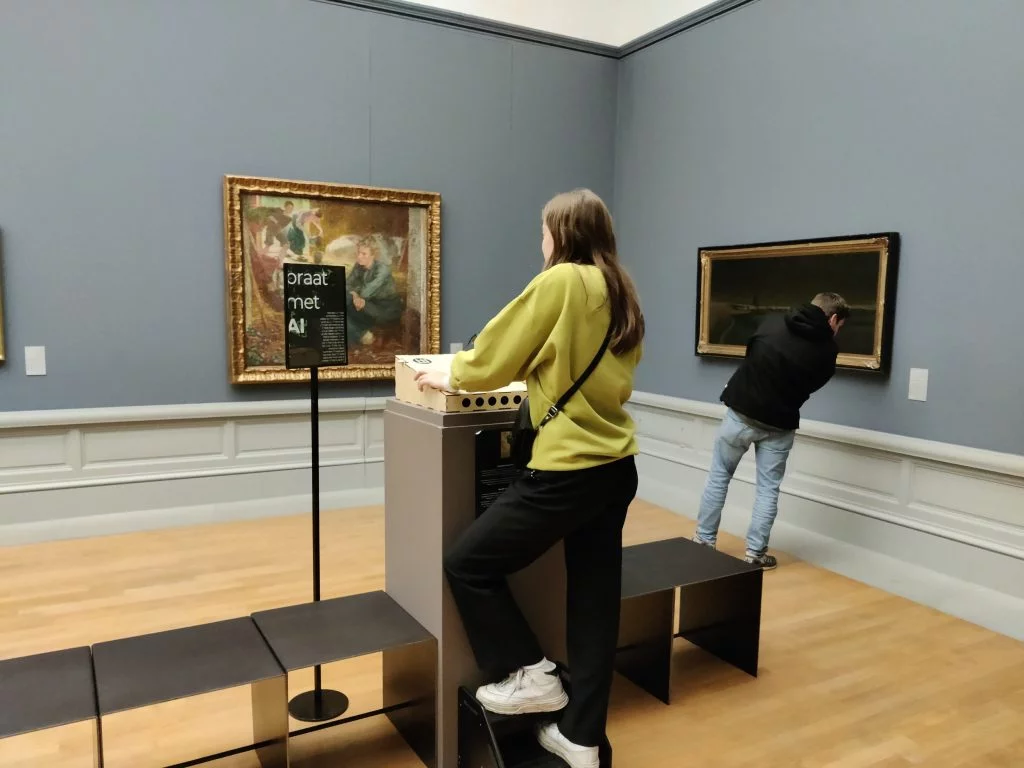
The ultra-wealthy are redefining the way personal collections are displayed and managed, moving beyond traditional private galleries into the era of AI-curated private museums. These exclusive spaces combine cutting-edge artificial intelligence, sophisticated design, and the finest artifacts to create immersive experiences tailored to the tastes and preferences of the collector. The new trend is not only about showcasing wealth but also about controlling narratives, enhancing accessibility, and preserving legacy in unprecedented ways.
The Rise of AI in Private Collections
Artificial intelligence now plays a central role in the management of private museums. AI systems analyze patterns, recommend display sequences, and even optimize lighting and ambiance to highlight each item’s unique qualities. Collectors can interact with their collection through AI-driven interfaces that provide real-time insights, historical context, and provenance verification. This technology ensures that every piece, whether a rare painting, vintage automobile, or antique sculpture, is presented in its optimal context for both aesthetic and intellectual appreciation.
Personalization Beyond Human Curation
Traditional curators are limited by human biases, schedules, and knowledge. AI, on the other hand, can study vast datasets, compare collections worldwide, and suggest innovative arrangements or acquisitions. Ultra-wealthy individuals use AI to curate experiences that align perfectly with their personal vision, creating narratives that reflect their values, taste, and identity. In many cases, this includes dynamic exhibitions that shift seasonally or respond to special events, making the museum a living, evolving showcase.
Privacy and Exclusivity
One of the main attractions of AI-curated private museums is privacy. Unlike public institutions, these spaces are accessible only to invited guests, family, and select associates. AI ensures that the collection can be experienced safely, with smart security systems monitoring visitor behavior and controlling access without compromising the immersive experience. For collectors who value discretion as much as cultural influence, this technology creates a perfect balance.
Enhanced Educational and Cultural Value
Beyond aesthetics, AI-curated museums enhance educational and cultural value. Virtual guides, interactive holograms, and augmented reality overlays allow owners and guests to explore collections in depth, from artistic techniques to historical significance. Some collectors collaborate with universities or cultural institutions, allowing AI-generated insights to provide learning opportunities without relinquishing ownership. This approach positions private museums as centers of knowledge, not just symbols of wealth.
Integration of Digital Assets
Many ultra-wealthy collectors are also embracing digital assets, including NFTs and virtual reality experiences. AI-curated museums seamlessly integrate these digital works alongside traditional objects, creating hybrid exhibitions that bridge the physical and digital worlds. Visitors might walk through a gallery that houses a rare Renaissance painting while experiencing immersive VR sculptures and blockchain-verified digital art, all in a coherent, AI-optimized layout.
Market for Bespoke Museum Design
Architects and designers now specialize in bespoke AI-ready museum spaces. From climate control for delicate artifacts to intelligent lighting systems that adapt to visitor presence, these residences are engineered for both security and sensory experience. The investment in such spaces is significant, often surpassing the cost of the collection itself, highlighting that the ultra-wealthy are valuing the presentation and preservation of their assets as much as the items themselves.
Legacy and Estate Planning
Private museums also play a critical role in legacy planning. AI systems can catalog and preserve the collection’s details for future generations, providing continuity that might otherwise be lost. Some collectors use AI to plan rotating exhibitions that maintain the relevance and prestige of their holdings long after they are gone. This futuristic approach to inheritance combines wealth, culture, and technological foresight.
Social Influence and Cultural Status
AI-curated museums are not only personal indulgences but also instruments of influence. Hosting events in these spaces allows collectors to showcase their taste, intellectual depth, and social reach. The ability to present a collection curated by AI adds an additional layer of sophistication, signaling that the owner is at the forefront of both technology and culture. This elevates the museum from private space to a powerful social statement.
The Future of Ultra-Luxury Collecting
As technology continues to advance, AI-curated private museums are likely to become a standard among the ultra-wealthy. They merge luxury, intellect, and innovation into a single immersive experience, redefining what it means to collect, preserve, and display assets. For billionaires, these museums offer more than opulence; they provide control, insight, and a dynamic platform for personal expression and cultural contribution.



Subscribe to unlock premium content
Sed at tellus, pharetra lacus, aenean risus non nisl ultricies commodo diam aliquet arcu enim eu leo porttitor habitasse adipiscing porttitor varius ultricies facilisis viverra lacus neque.
A comprehensive guide on Agile development

10 Productivity tools that are worth checking out

Top 7 Must have management tools for productivity

A comprehensive guide on Agile development
10 Productivity tools that are worth checking out
A comprehensive guide on Agile development

.png)